By The APT Team
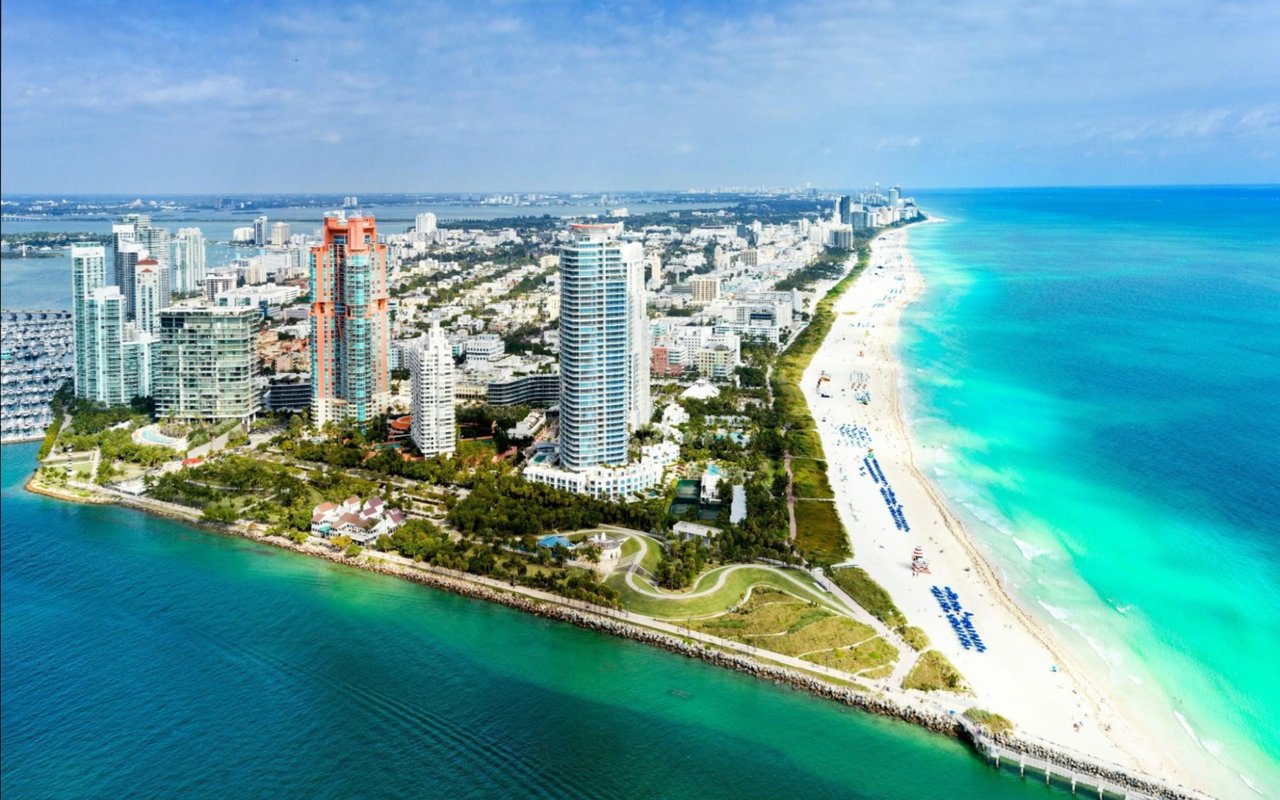
Oceanfront living on Miami Beach puts sand at the back door and a long list of regulations on the front desk. At The APT Team, we have guided clients through every stage of a shoreline purchase, from the first showing to the closing table. Florida statutes, FEMA maps, and building rules all shape what a property can offer its owner.
Here is the roadmap we share with each client who asks where to begin.
Key Takeaways
- Coastal rules: State and local regulations govern land near the shoreline, so early research on each parcel pays off.
- Flood zones: FEMA designations influence insurance requirements, lender conditions, and renovation options.
- Condo health: Inspection reports and reserve studies reveal how a building is maintained and funded.
- Local guidance: An agent who knows the barrier island can steer a purchase through each approval and disclosure.
Start With the Coastal Construction Control Line
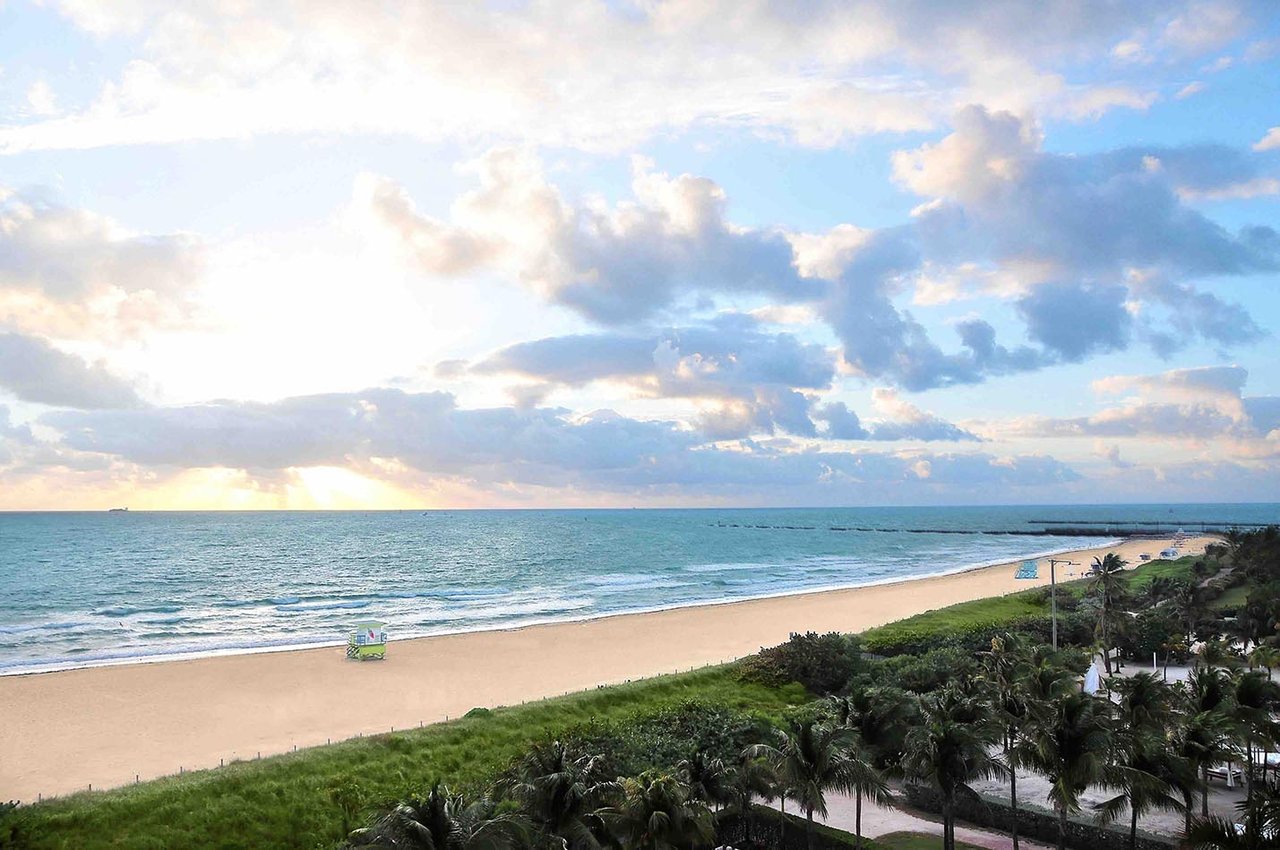
Florida’s Department of Environmental Protection sets a Coastal Construction Control Line along sandy beaches to regulate construction near the shore. Property seaward of that line carries extra permitting requirements and a disclosure that appears in the sales contract.
Questions to Ask About the Control Line
- Line location: Ask the surveyor and title company to confirm exactly where the parcel sits in relation to the line.
- Permit history: Request records of any state permits issued for past additions, seawalls, or pools on the property.
- Future plans: Confirm which improvements an owner can add without a new round of state review.
State review can lengthen a renovation timeline, so we build that time into every plan. Early answers keep the contract period calm and predictable.
Read the FEMA Flood Map and Local Flood Records
The City of Miami Beach publishes local flood hazard information that explains FEMA zones, elevation requirements, and insurance basics. Oceanfront parcels often fall in coastal high-hazard zones, which carry stricter construction standards than inland streets.
Flood Documents to Gather
- Elevation certificate: Shows the height of the lowest floor compared with the base flood elevation for the site.
- Insurance quotes: Compare flood and windstorm coverage options before the inspection period ends.
- Claims history: Ask the current owner for past claim records and storm repair documents.
Premium quotes arrive faster when the elevation certificate is already on file. We request these items on day one so the numbers are ready well before the inspection period closes.
Evaluate the Condominium Building Closely
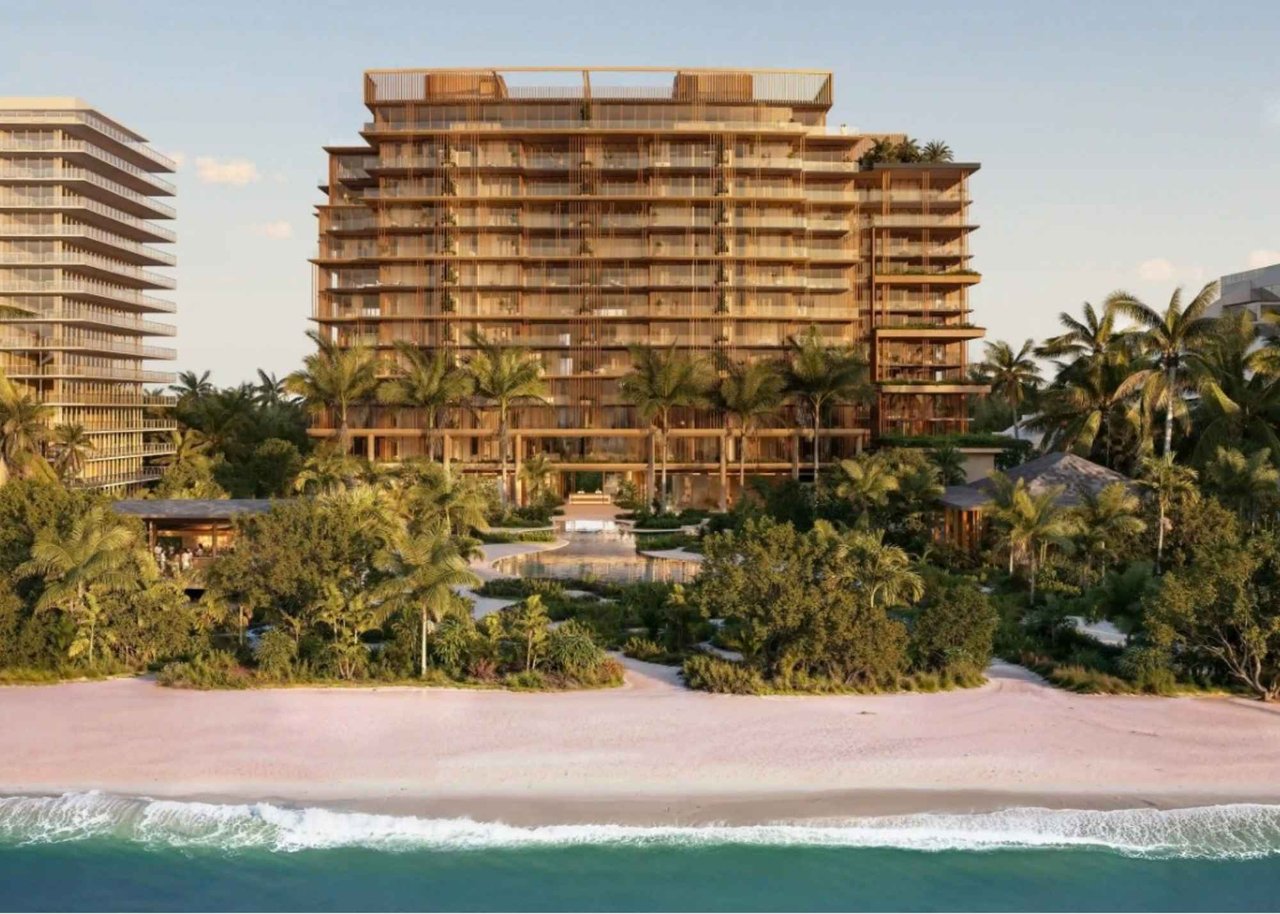
Many oceanfront homes along Collins Avenue are condominium units, and Florida’s reforms after the Surfside collapse now call for milestone inspections and structural integrity reserve studies in many buildings. Those reports give a clear window into a building’s condition and finances.
Condo Records Worth Reviewing
- Milestone report: Summarizes the structural findings and any repairs the association must complete.
- Reserve study: Outlines how the association plans to fund major components such as roofs, balconies, and concrete.
- Board minutes: Reveal pending assessments, repair bids, and the priorities of the board.
Document review takes time, so we encourage clients to request these records immediately after the contract is signed. Clear paperwork helps a purchaser compare buildings with confidence.
Understand Historic District Rules
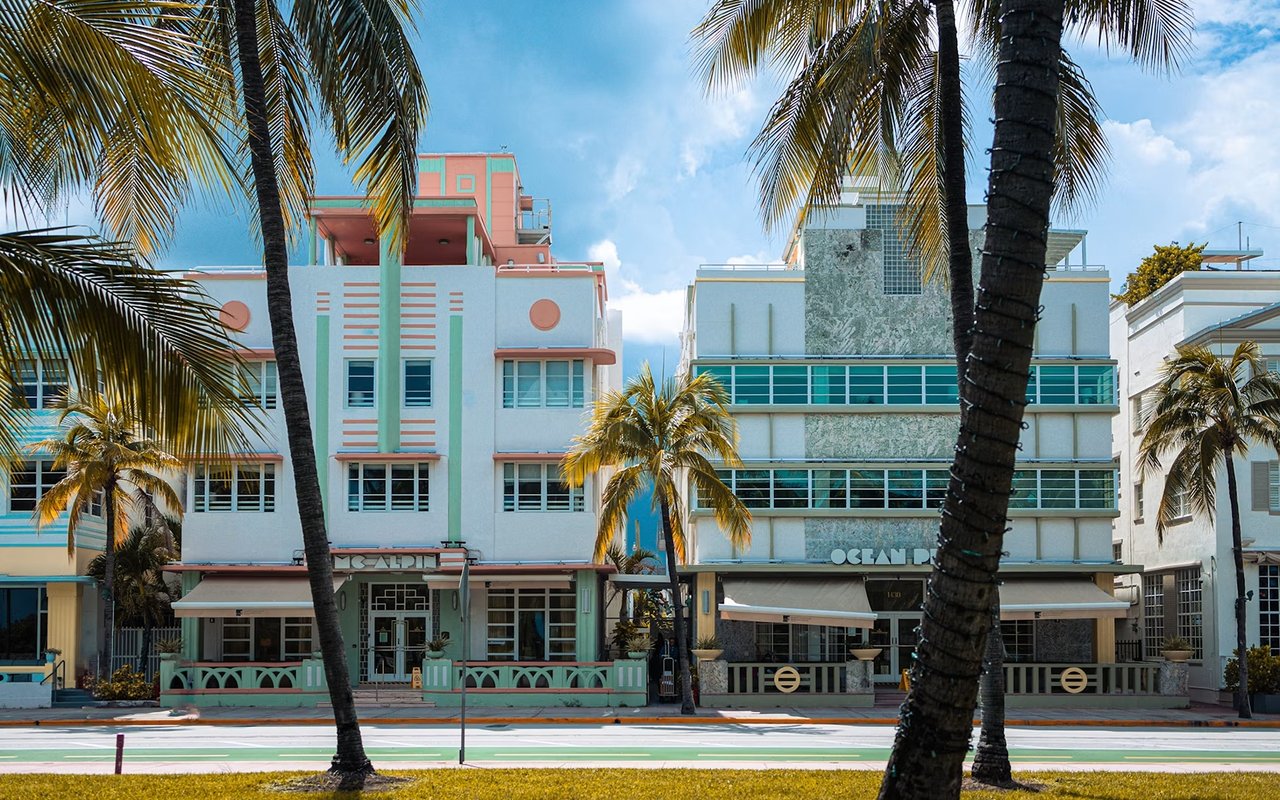
Miami Beach protects its Art Deco heritage through local historic preservation review, and districts such as the Ocean Drive area guide exterior changes to older buildings. A property inside a designated district may need board approval before any visible work begins.
Preservation Details to Confirm
- District status: Check whether the property sits inside a local or national historic district.
- Exterior approvals: Confirm which changes to windows, facades, or signage require board review.
- Renovation scope: Match design goals with what the preservation office is likely to approve.
Architects familiar with local review can speed up the approval path considerably. We connect clients with those professionals whenever a project calls for one.
Plan for Beach Access and Everyday Living
Florida law treats land below the mean high-water line as state-owned, and public access practices vary along the shore. Public spaces such as the Beachwalk and Lummus Park along Ocean Drive keep the oceanfront lively throughout the year.
Lifestyle Factors Worth a Visit
- Public path activity: Visit at different hours to learn how foot traffic along the Beachwalk feels near the building.
- Guest access: Confirm guest parking, valet service, and entry procedures with the association.
- Hurricane preparation: Review shutter or impact-window details and the association’s storm procedures.
Visits on a weekday and a weekend reveal the full rhythm of the block. We schedule both before a client submits an offer.
FAQs
Where do I start with how to buy beachfront property Miami Beach FL?
Begin with a pre-approval or proof of funds, then meet with a local agent to identify target buildings and neighborhoods. We then review the control line, flood zone, and association records for each shortlisted home.
Do I need flood insurance for an oceanfront home?
Lenders typically require flood coverage when a mortgaged property sits in a special flood hazard area, and many oceanfront parcels fall in those zones. Cash purchasers can choose their own coverage, though we still recommend gathering quotes early.
How long does a beachfront purchase take to close?
Timelines vary with financing, association approval, and document review. Cash transactions with an organized file generally move faster than financed ones.
Contact Us at The APT Team
Call The APT Team today to start a conversation about oceanfront homes on Miami Beach and the next step toward owning one.