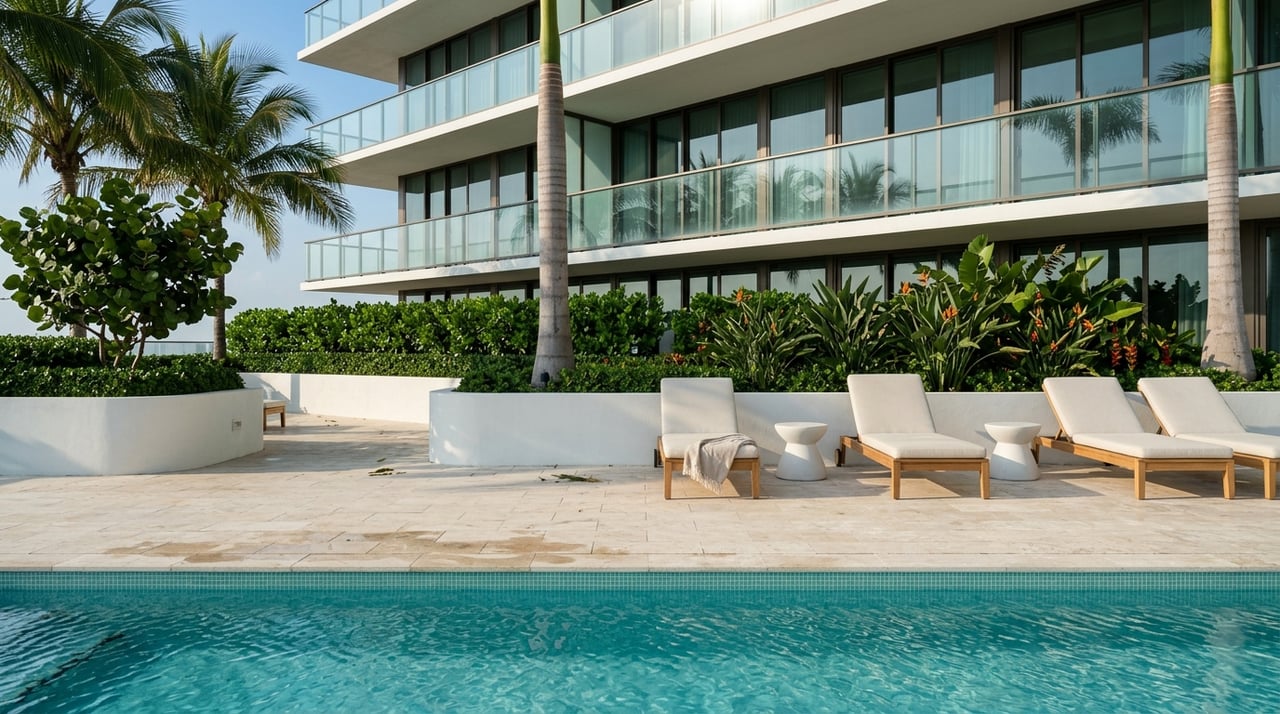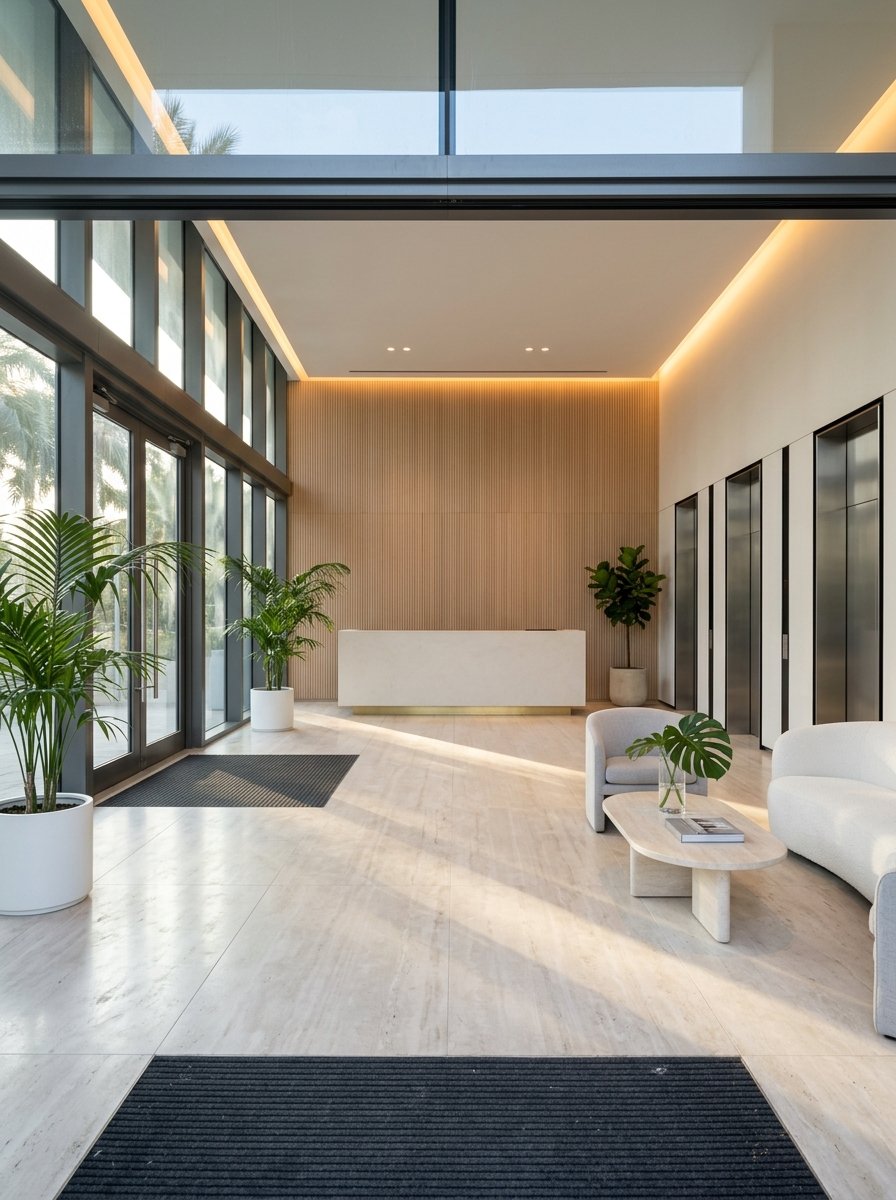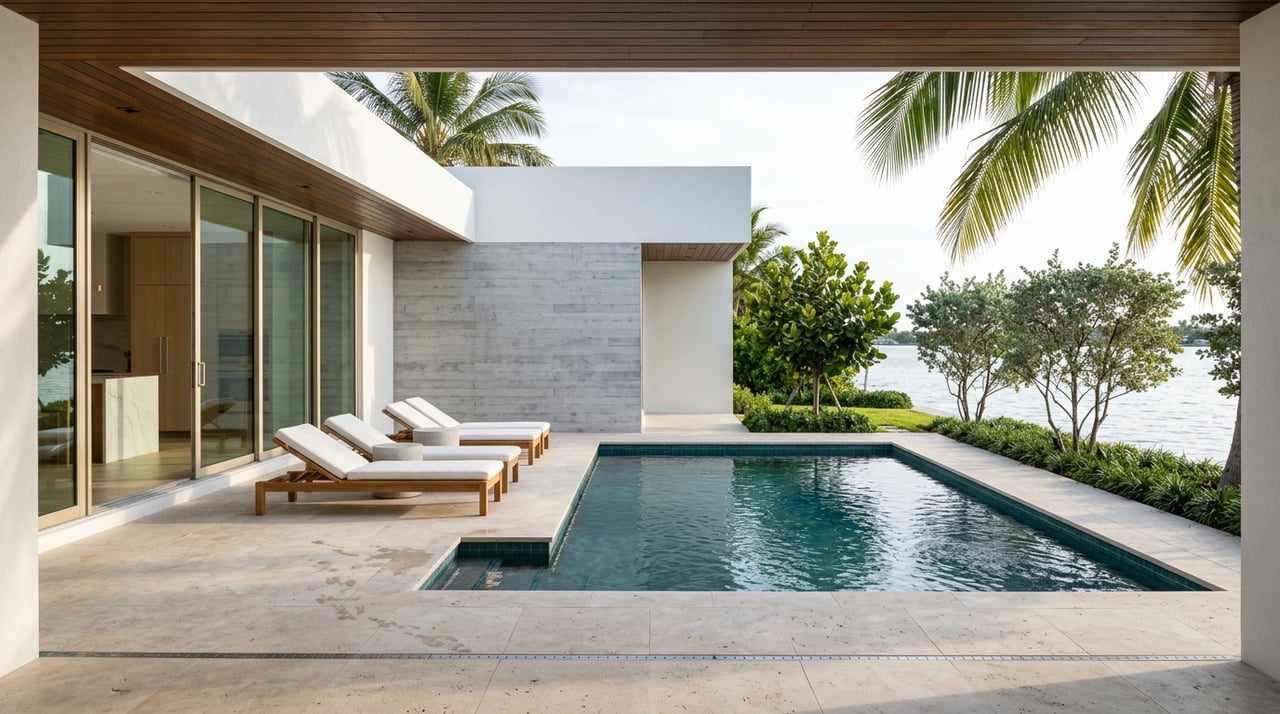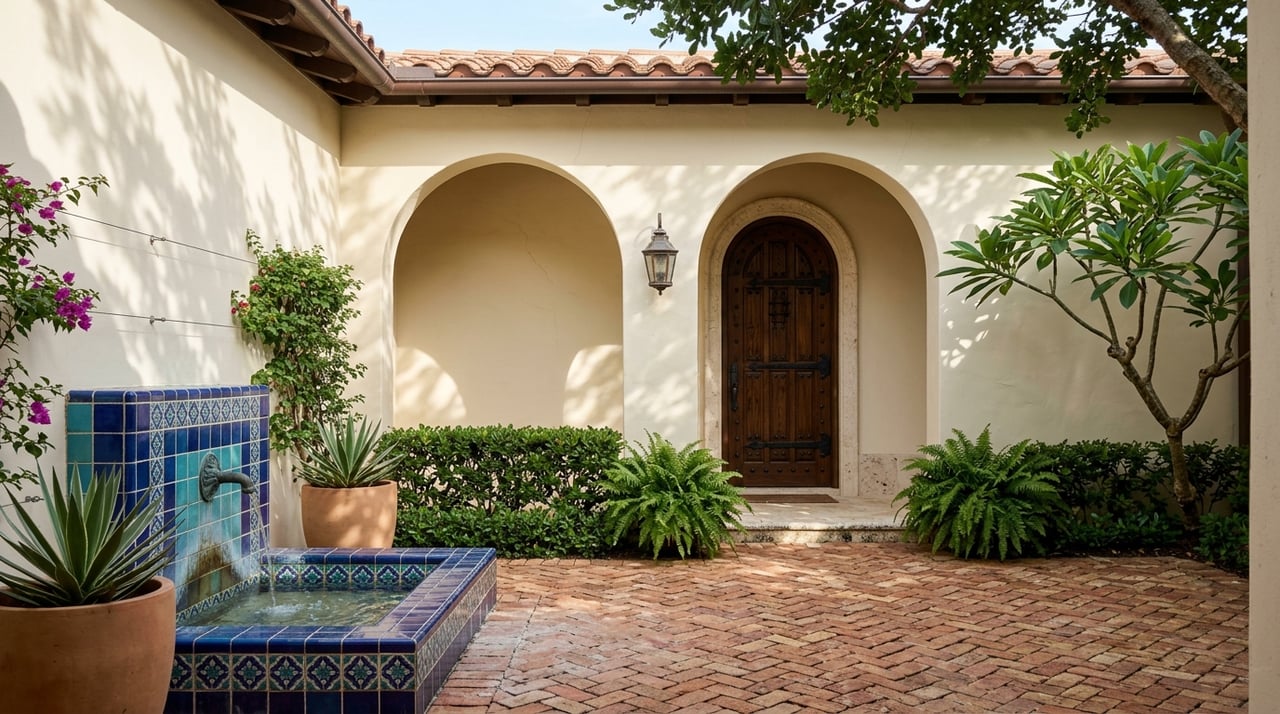
Are you choosing between a home on the water and one tucked under Coconut Grove’s canopy? In northeast Coconut Grove, that decision is rarely just about price or bedroom count. It is about how you want to live day to day, what kind of privacy you value, and whether water access or village convenience matters more to you. If you are comparing both options, this guide will help you sort through the tradeoffs with more clarity. Let’s dive in.
Why this choice feels different in Coconut Grove
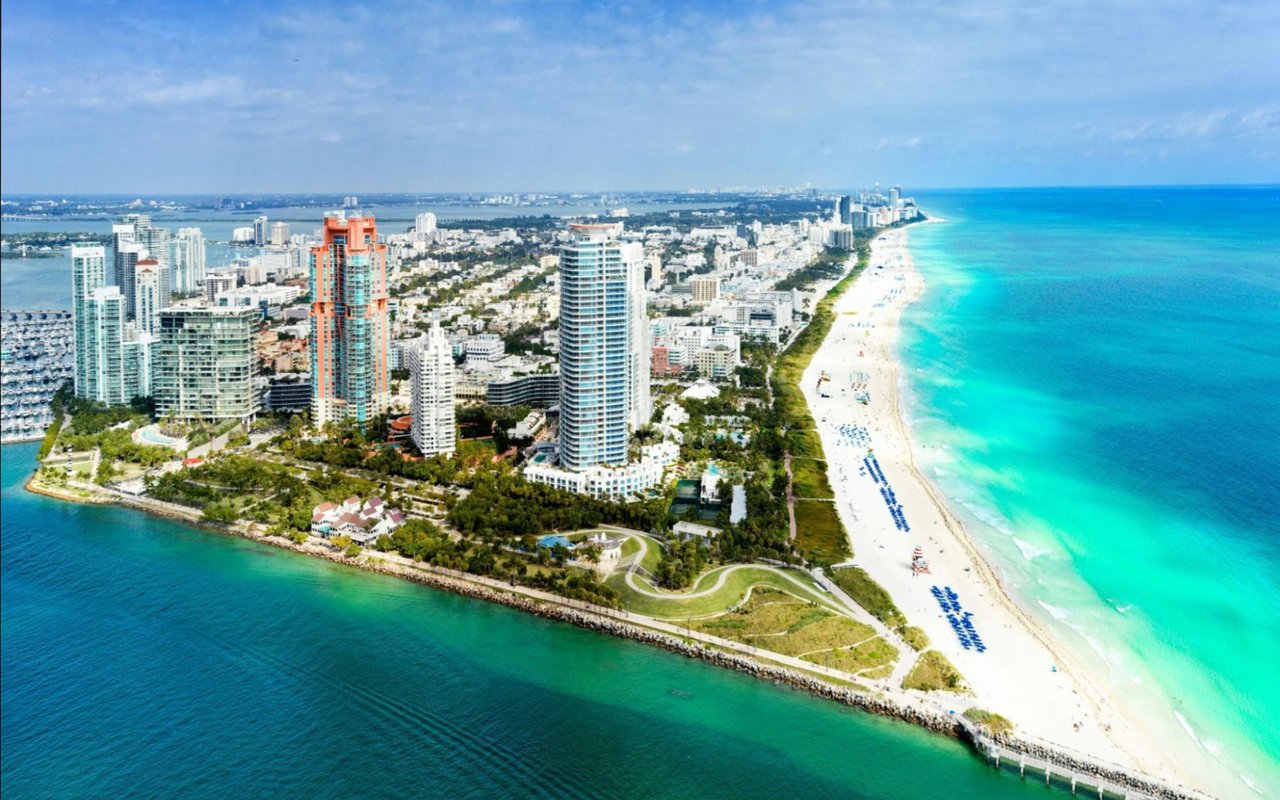
In northeast Coconut Grove, the waterfront versus interior debate is shaped by the neighborhood’s layout and planning framework. The City of Miami identifies North Grove as the bay-adjacent area bounded by US-1, Rickenbacker Causeway, Biscayne Bay, and SW 27th Avenue, while the Village Center sits around streets such as Oak Street, Tigertail Avenue, Main Highway, and nearby bayfront edges.
That matters because Coconut Grove is not one uniform housing market. The city’s zoning framework is designed to preserve the area’s tree canopy, green space, bay views, public open space, and architectural variety. In practice, that creates meaningful differences between bayfront or protected-waterfront homes and interior streets closer to the village core.
What separates waterfront and interior homes
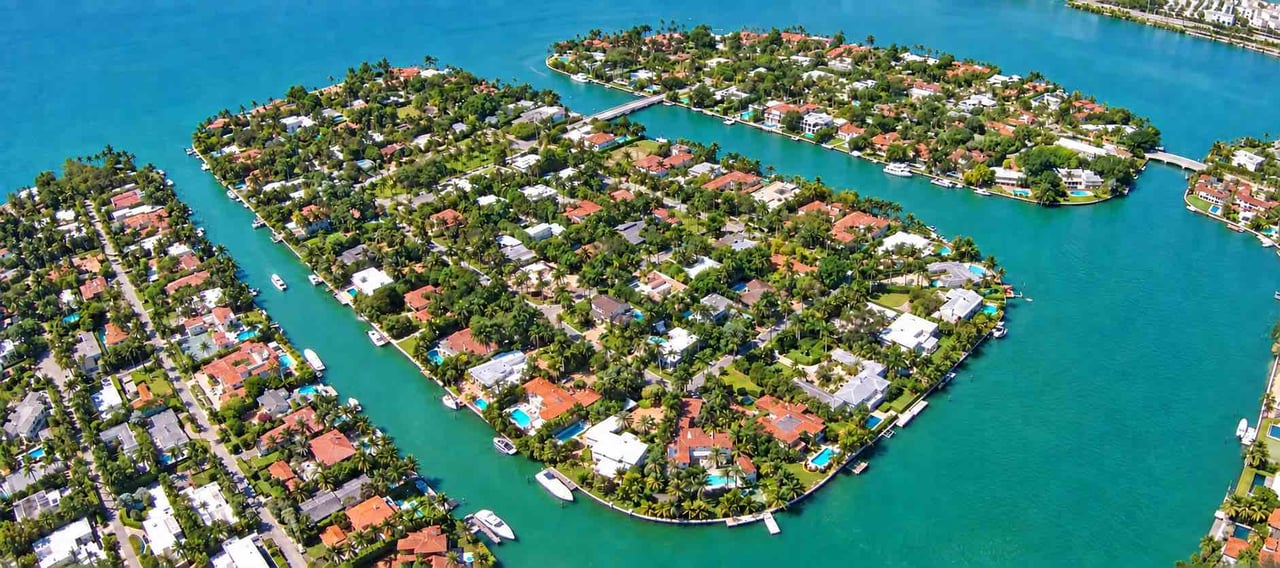
The first distinction is not simply waterfront versus non-waterfront. In Coconut Grove, buyers are often deciding among open-bay homes, protected-waterway properties with private docks, marina-linked residences, and interior homes near the village.
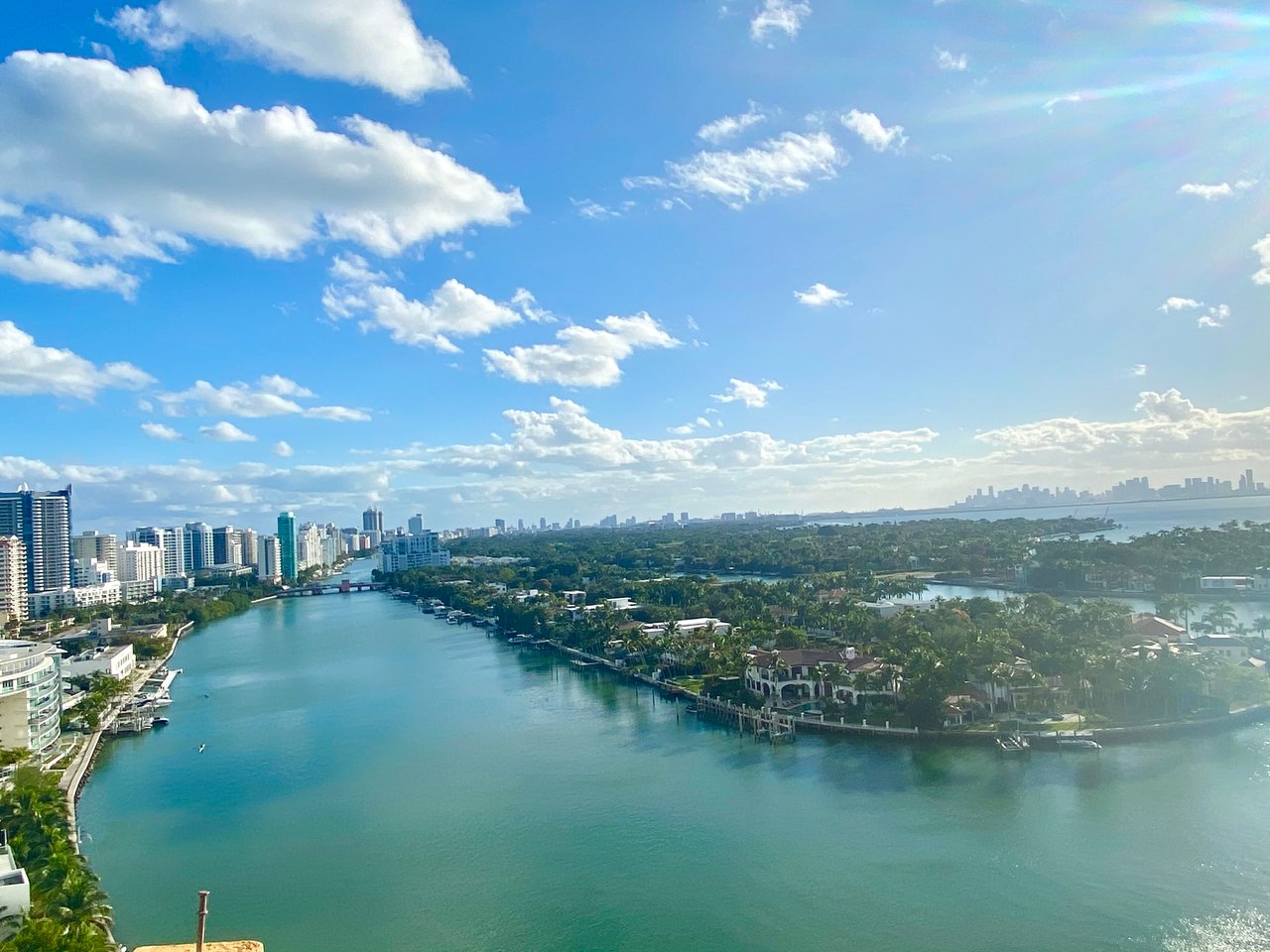
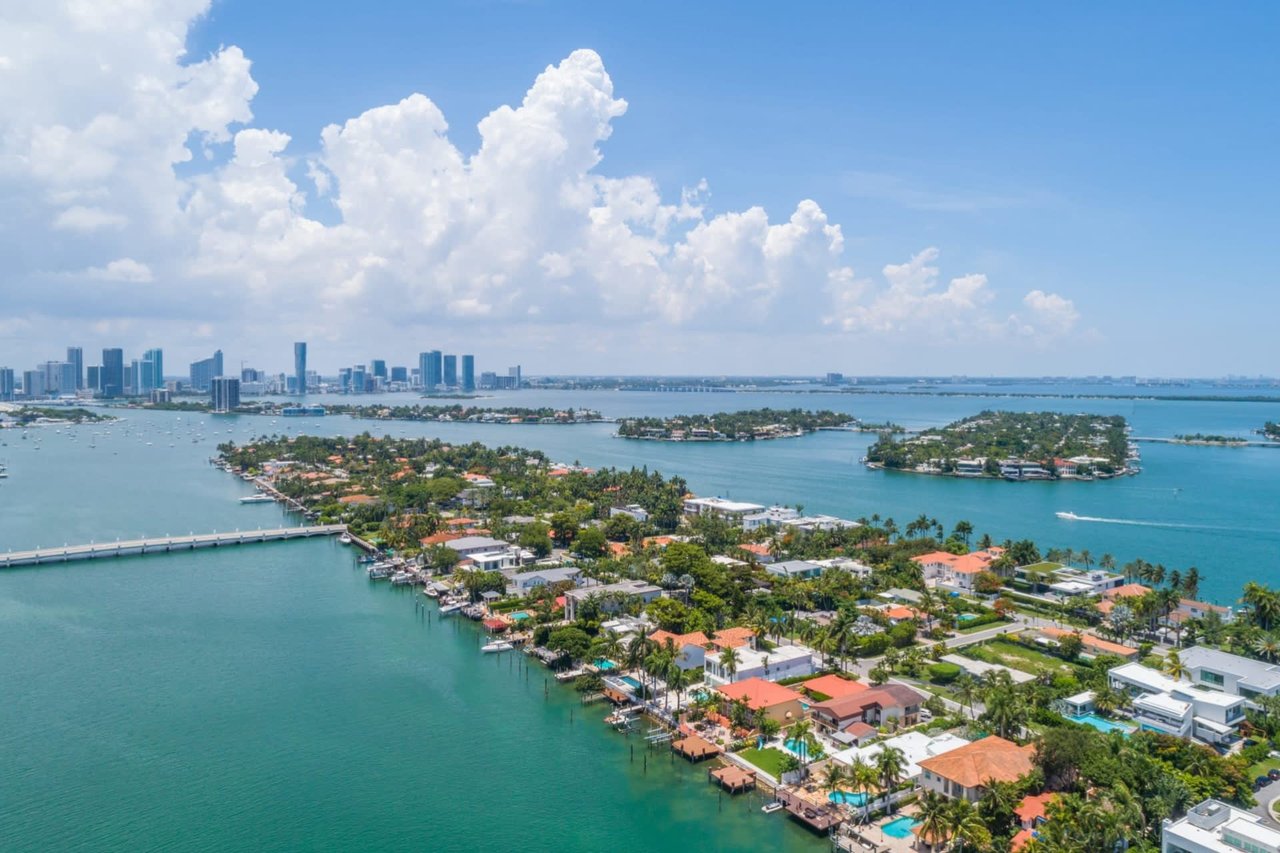
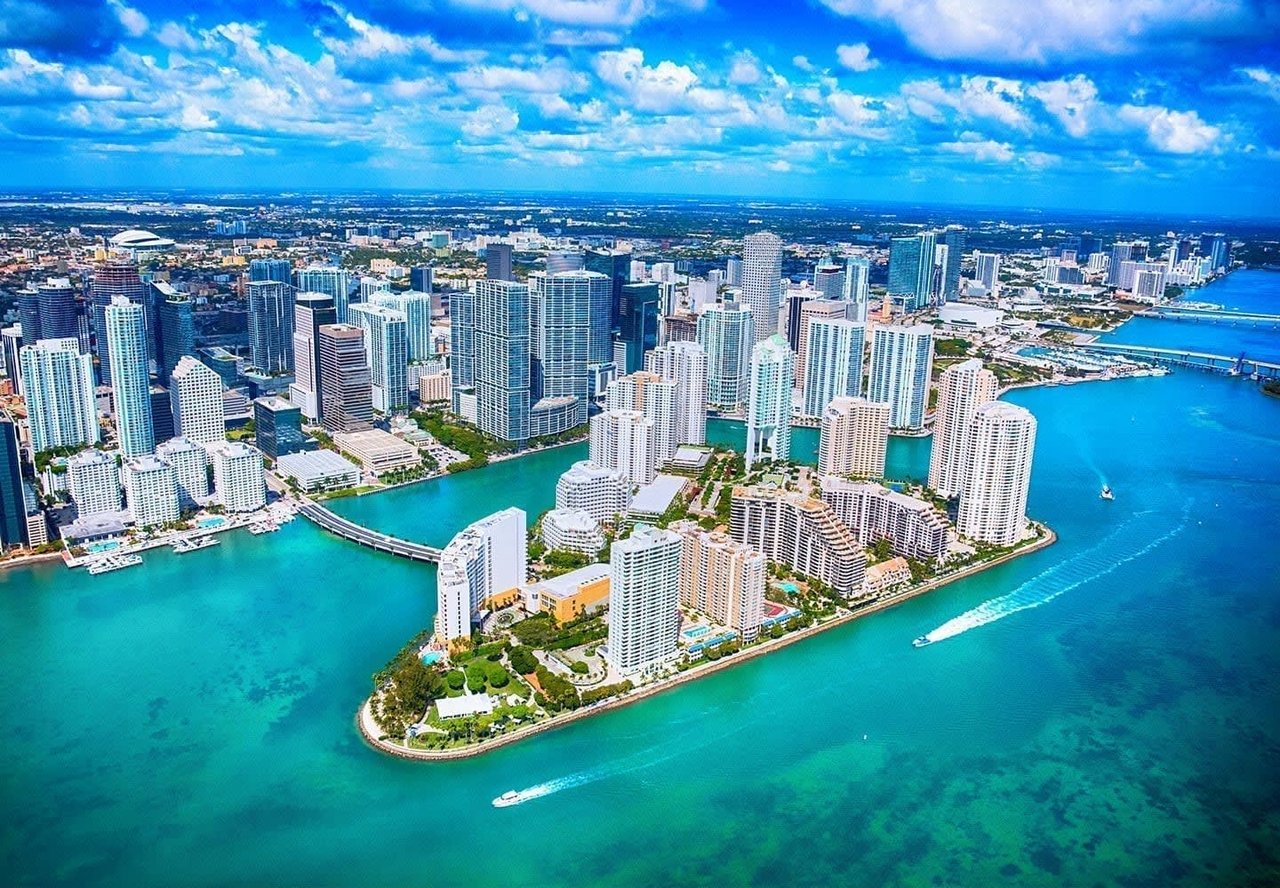
Waterfront homes tend to center the experience around views, dockage, and direct connection to Biscayne Bay. Interior homes often center the experience around landscaping, quiet streets, canopy coverage, and walkability to cafes, boutiques, parks, and everyday destinations.
Privacy and daily feel
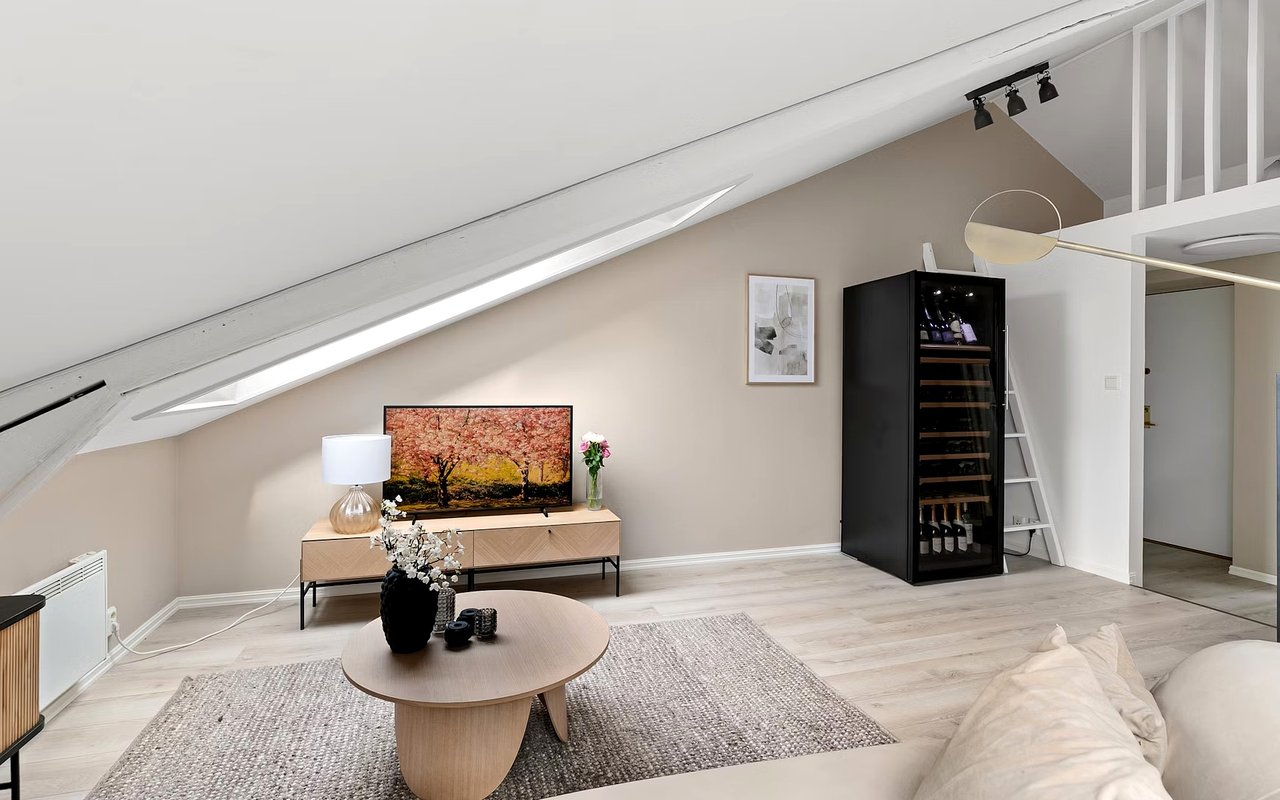
Interior homes often feel more secluded
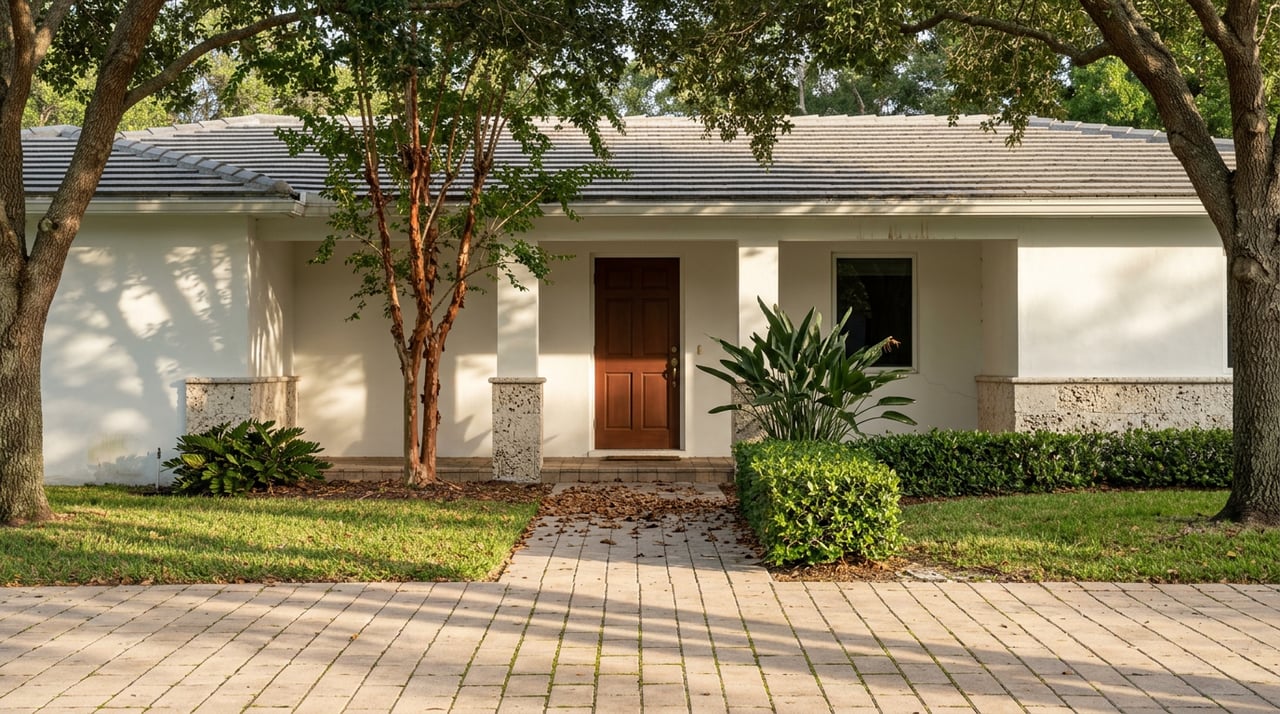
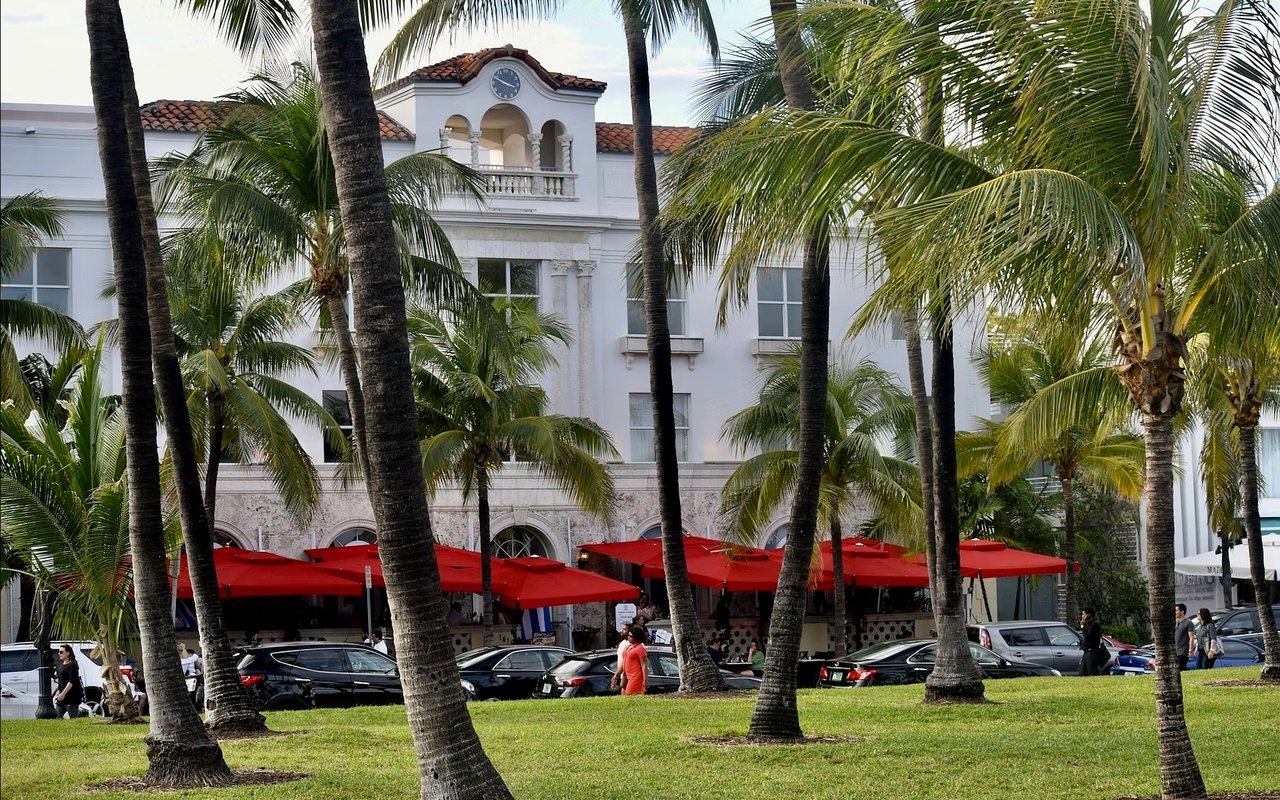
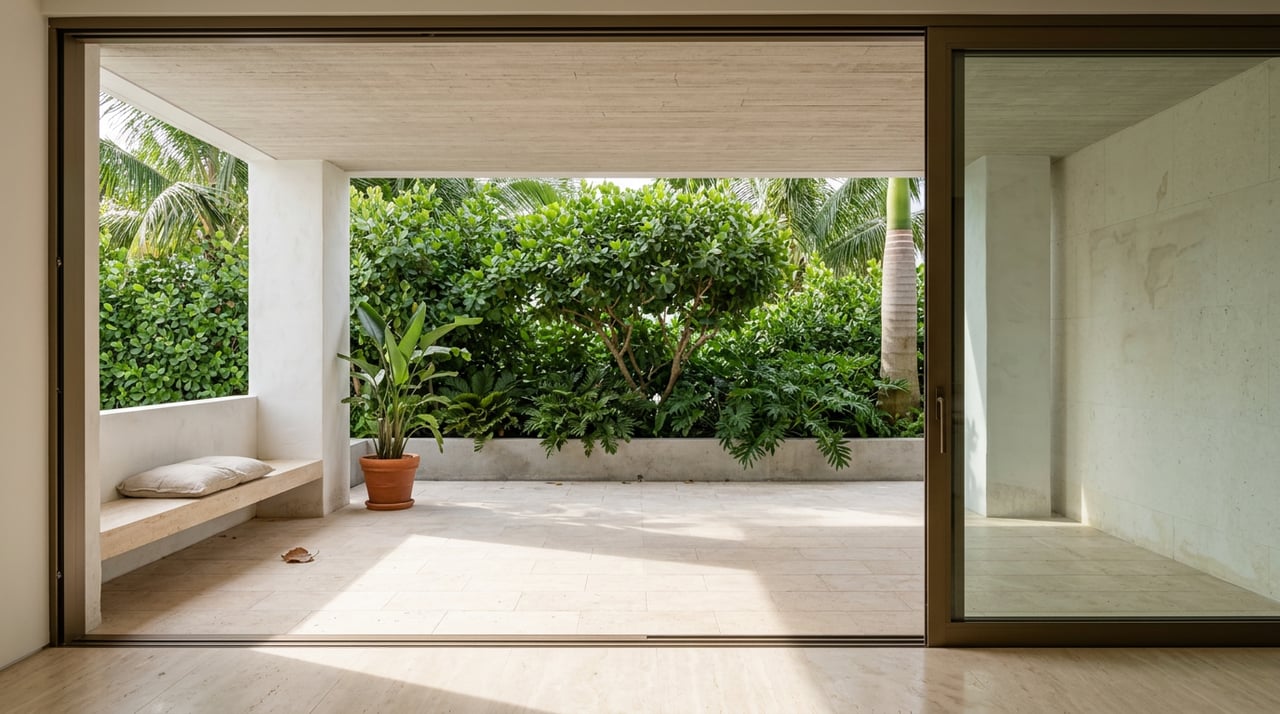
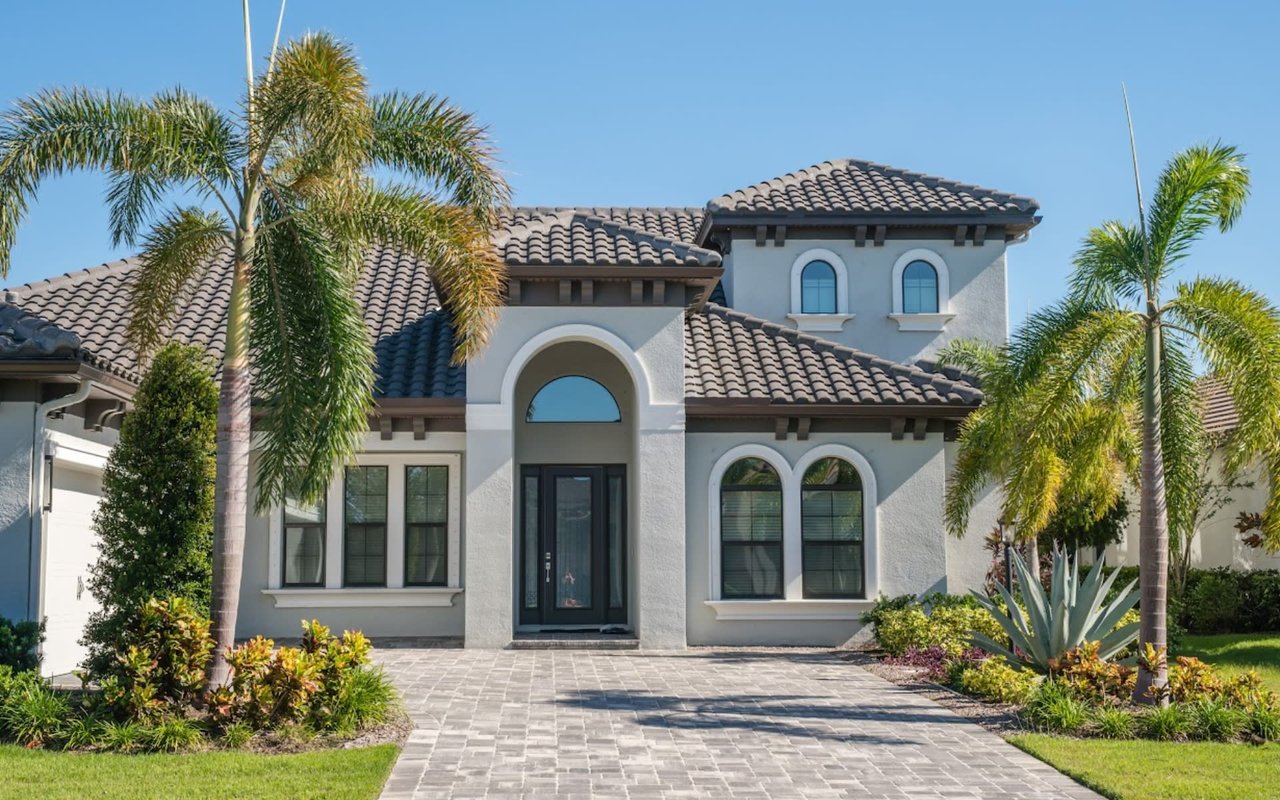
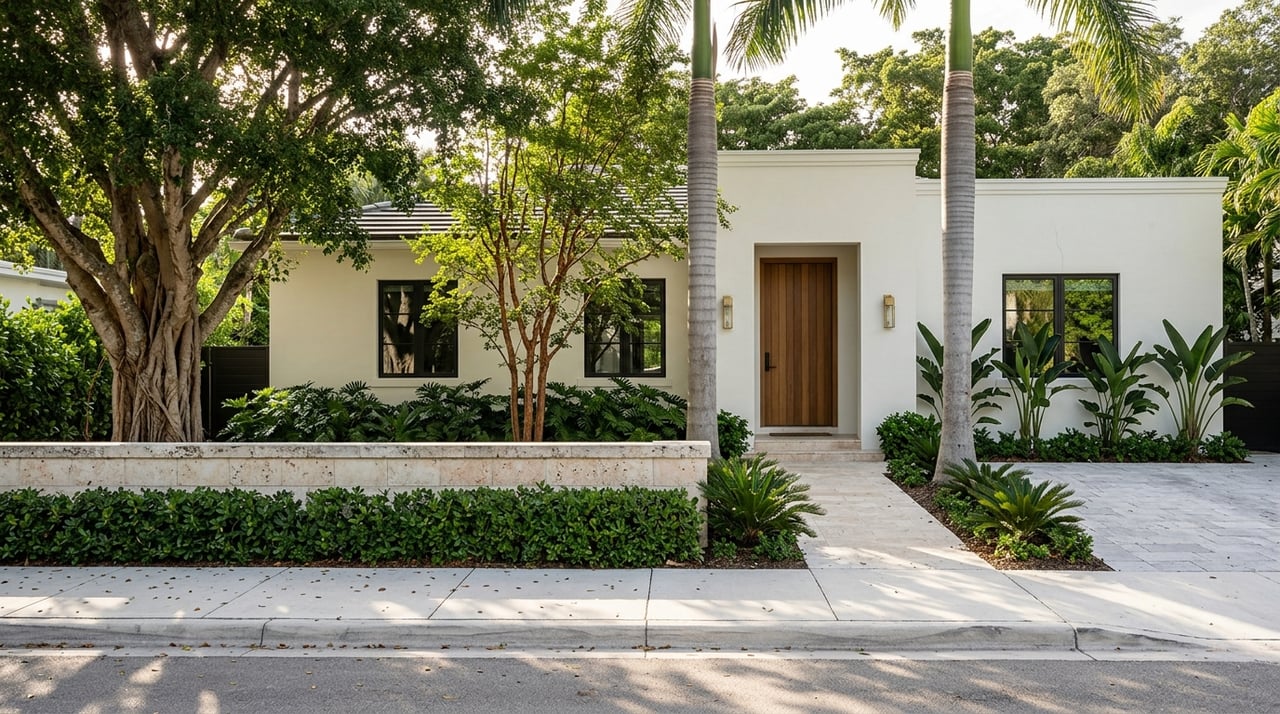
If privacy is high on your list, interior streets usually have the edge. Coconut Grove’s planning rules emphasize low density, abundant landscaping, and a strong tree canopy, and that shows up in many interior blocks.
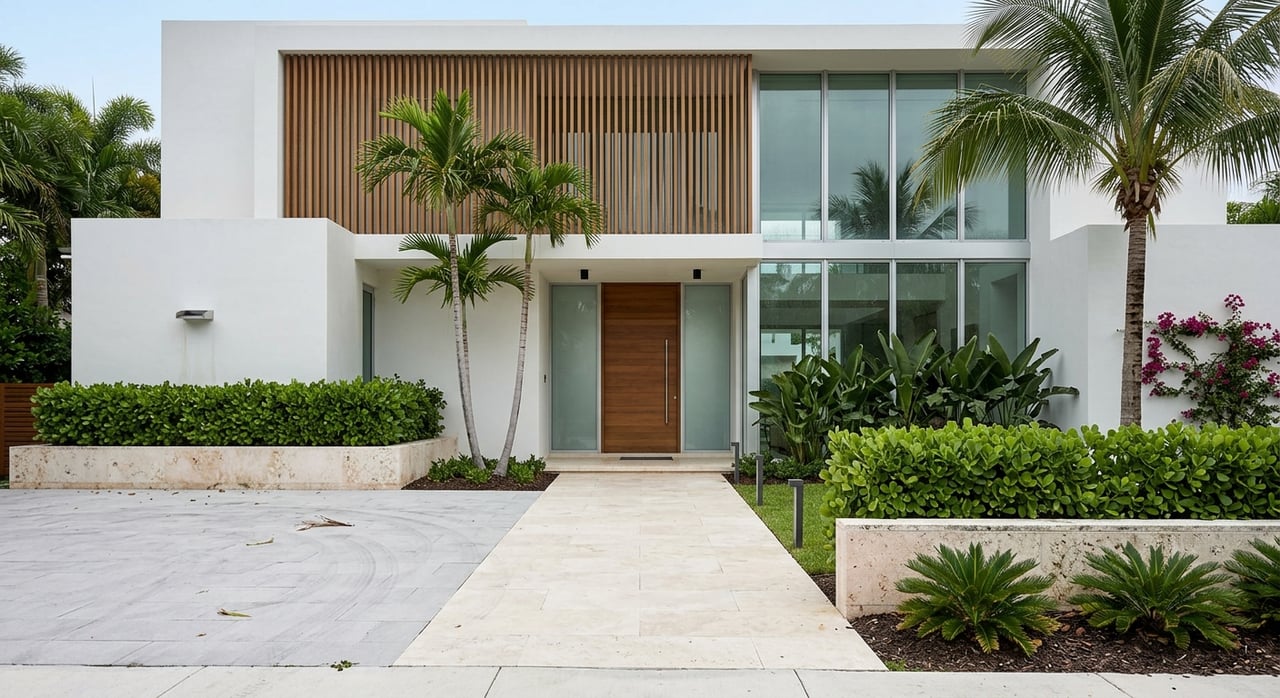
You may find homes set behind walls, gates, or lush greenery that feel more hidden from the street. The overall tone can feel calm and residential, especially on quiet, tree-lined streets away from the bayfront edges.
Waterfront homes feel more open
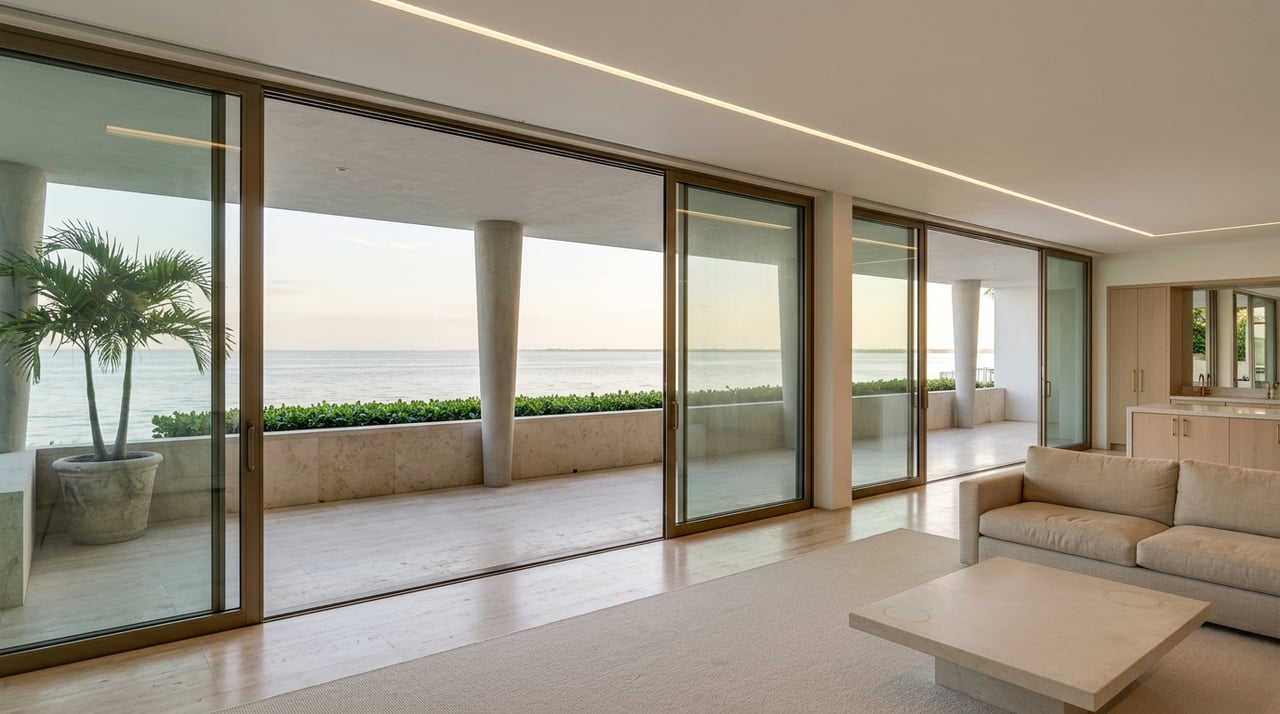
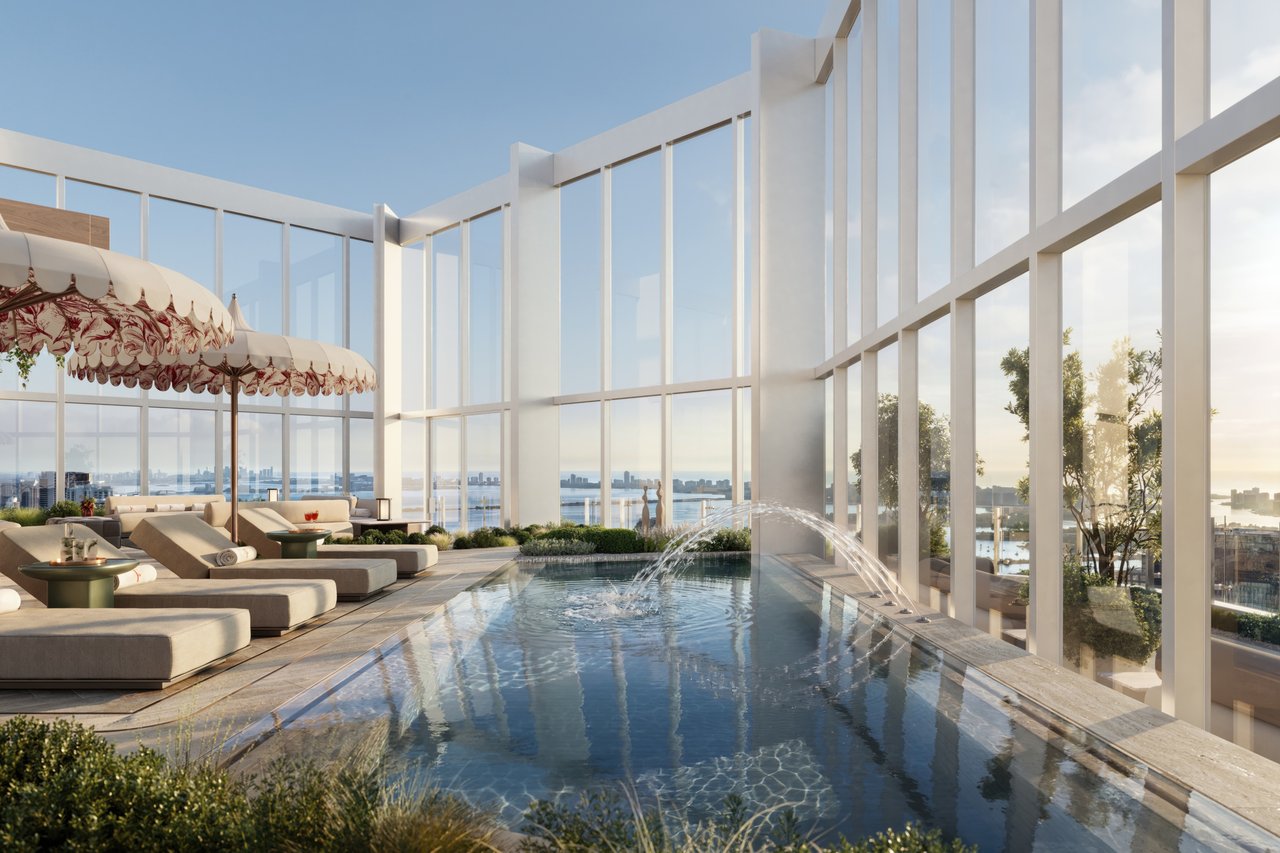
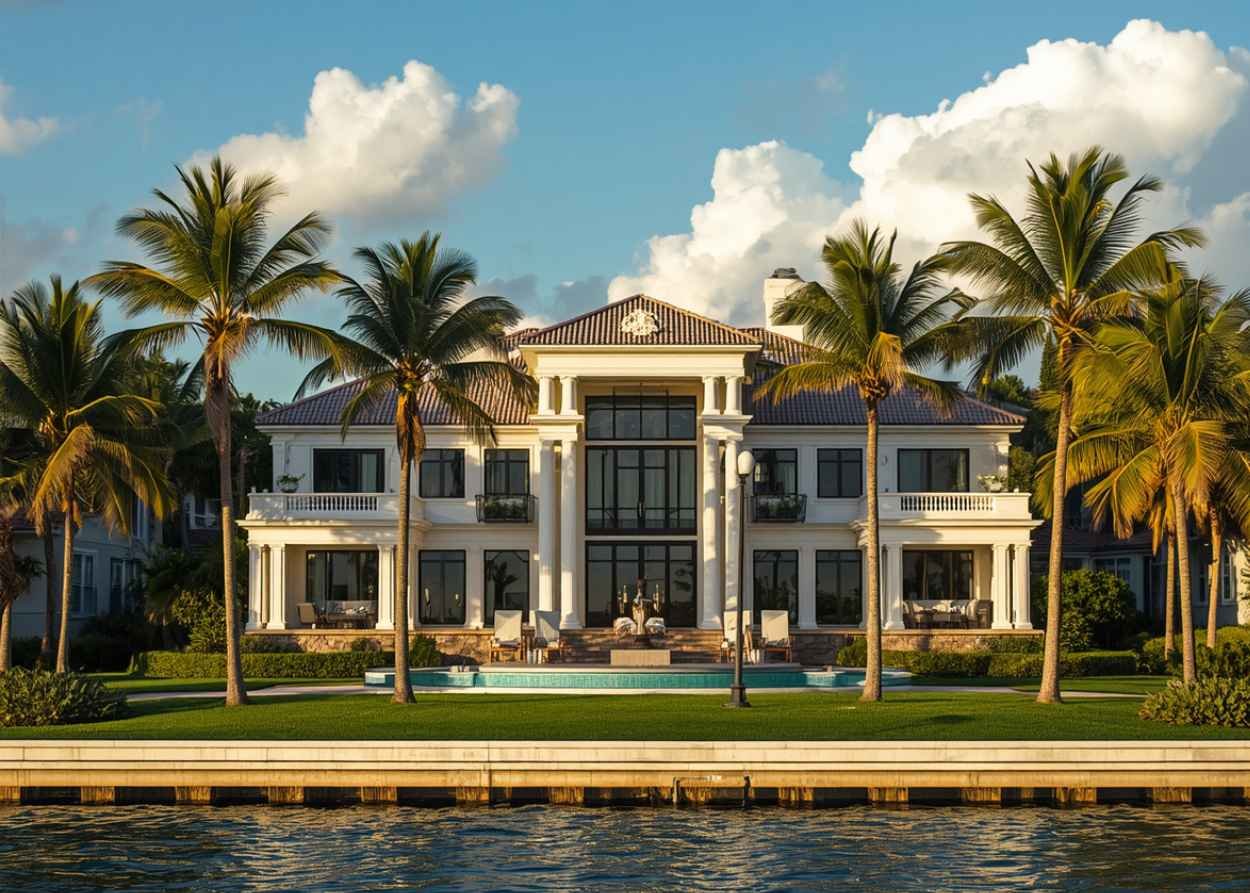
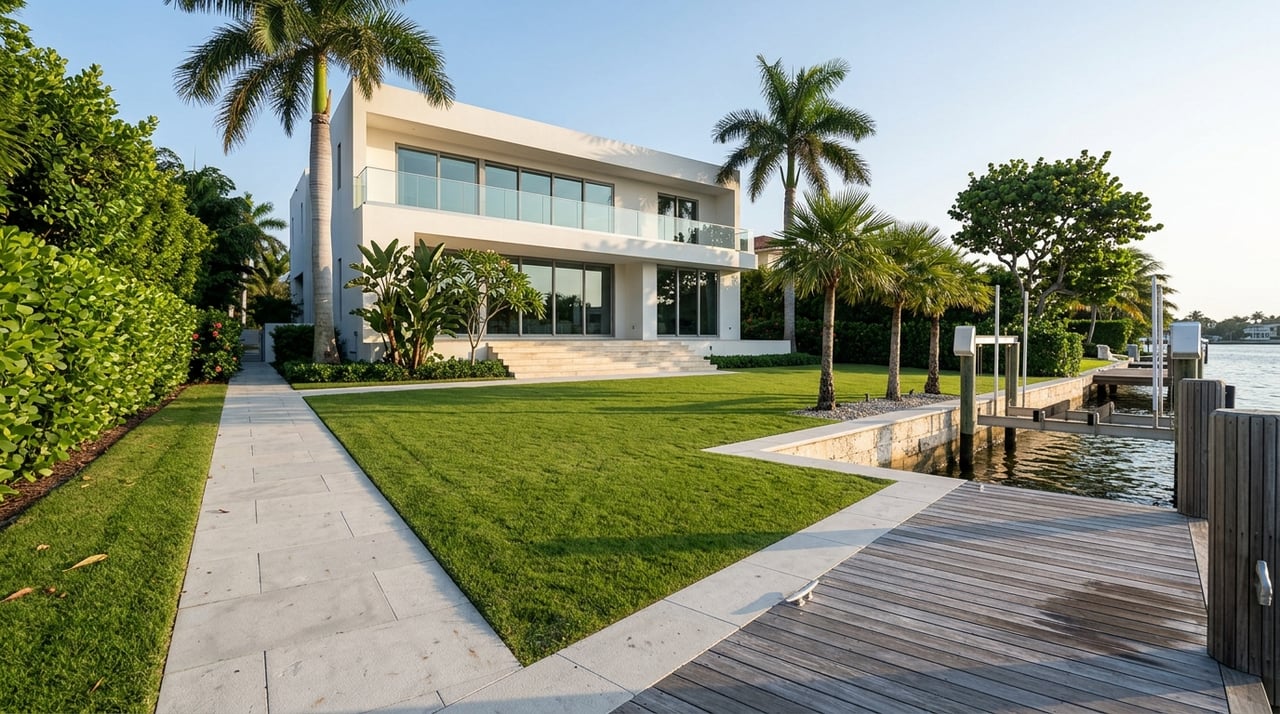
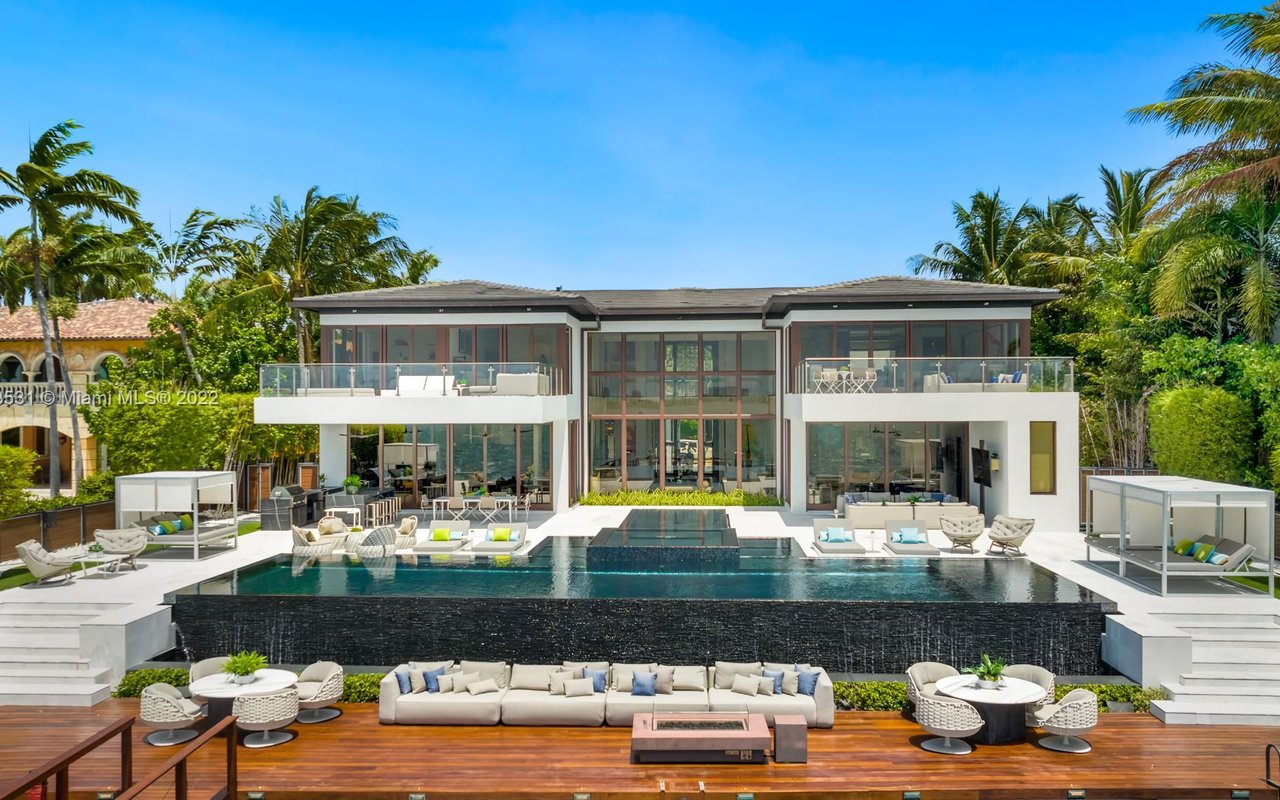
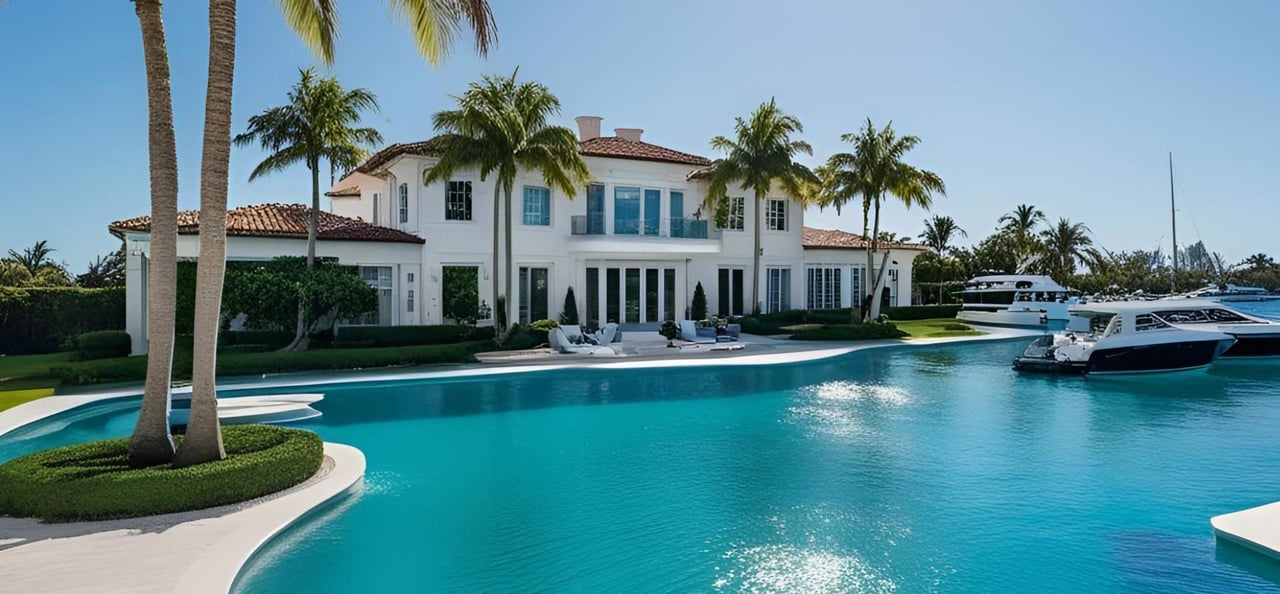
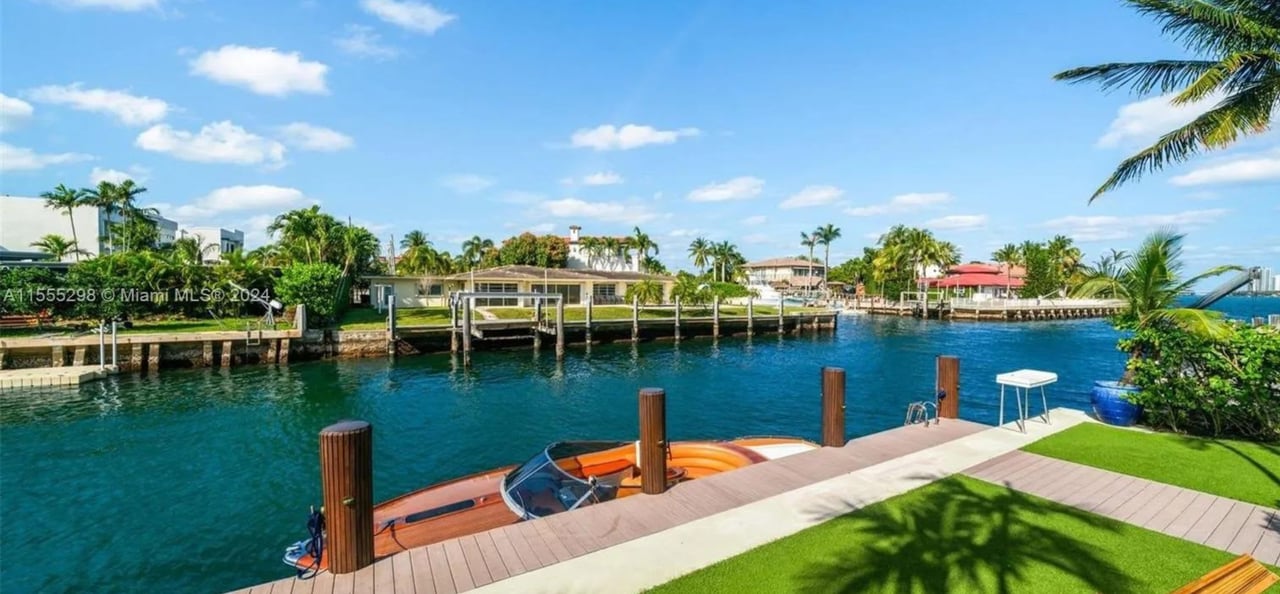
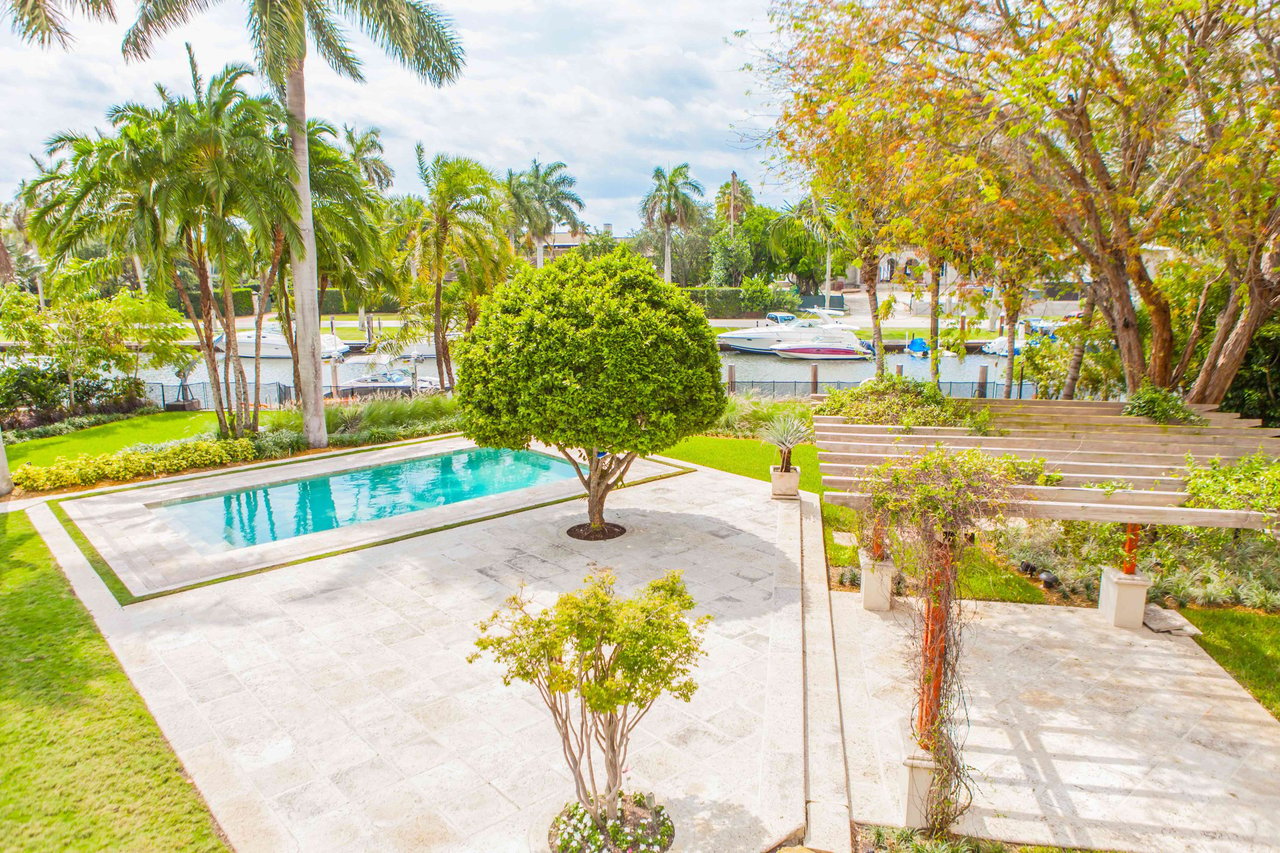
Waterfront homes offer a different kind of appeal. Instead of being tucked away, they often open outward to views, docks, seawalls, and broader sightlines.
That openness can be a major draw if your priority is light, water orientation, and outdoor entertaining. But if your ideal setting is more enclosed and sheltered, an interior location may align better with how you want to live.
Boating access and water lifestyle
Waterfront homes win on direct access
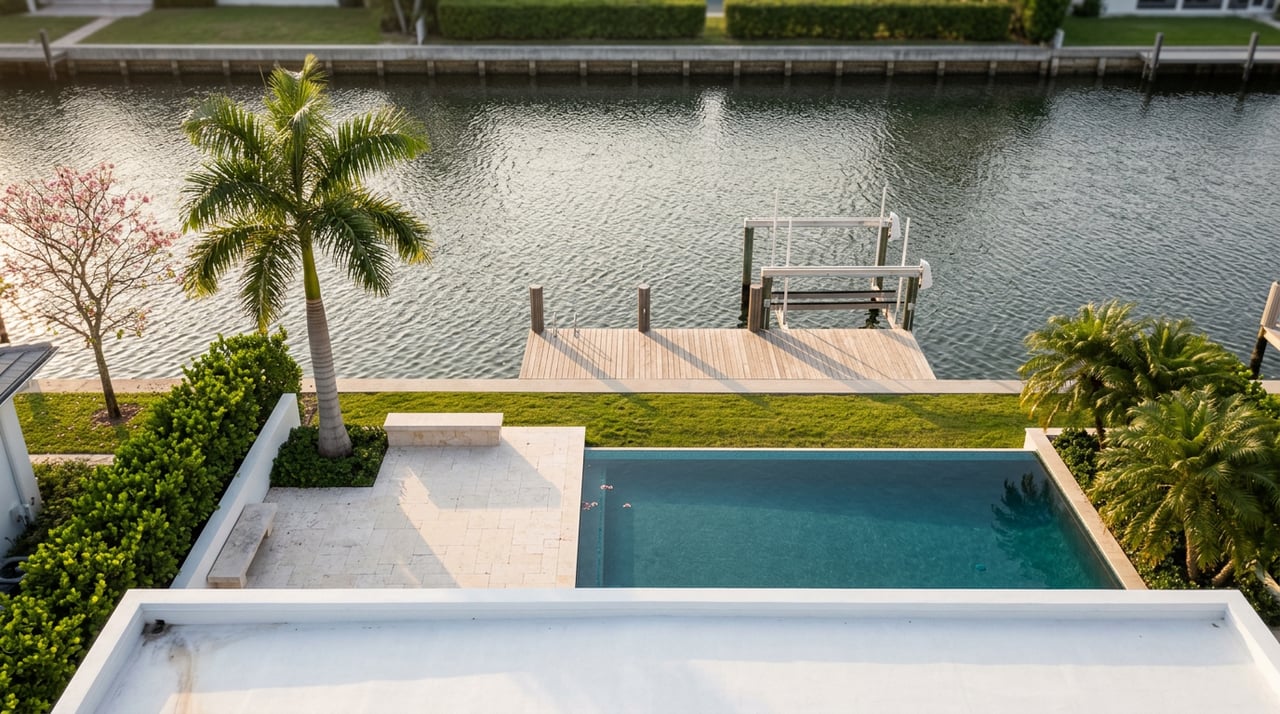
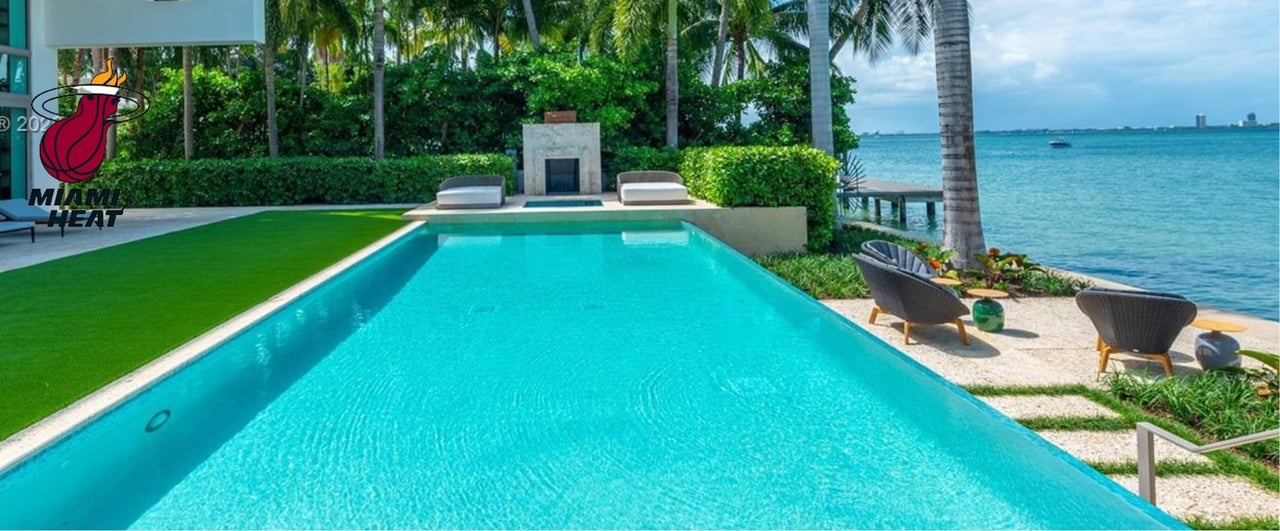
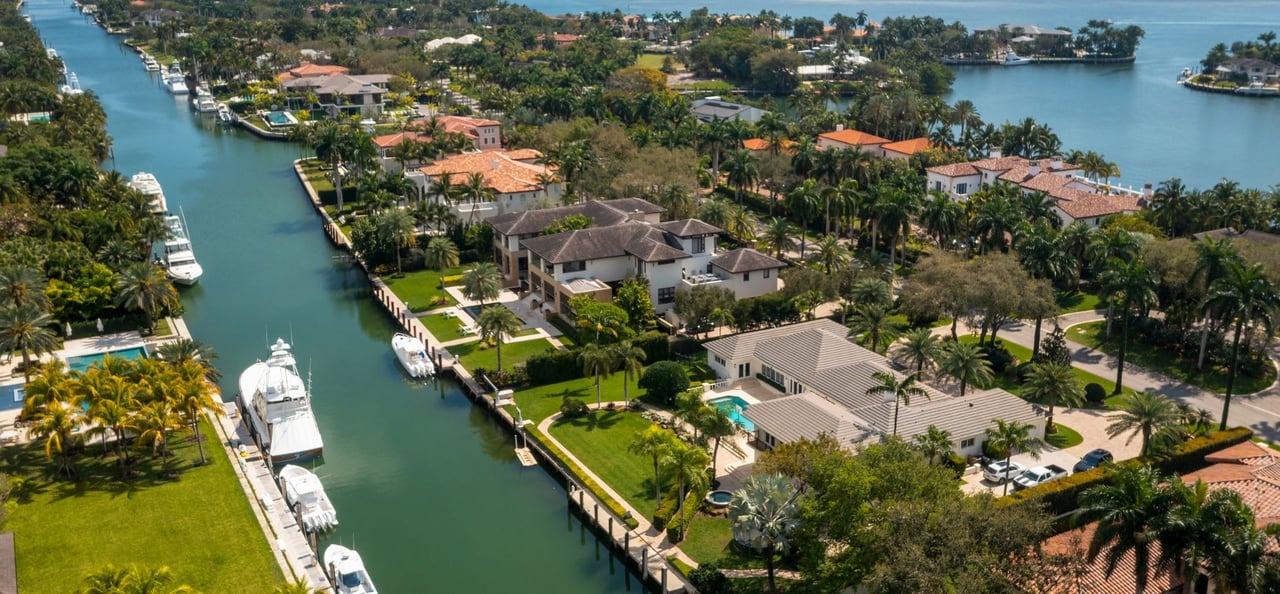
If boating is a central part of your lifestyle, waterfront property usually offers the strongest value. Current Coconut Grove listings include homes with large private docks, direct bay-and-ocean access, protected water frontage, and even residences tied to private yacht dockage.
That kind of direct access is hard to replicate inland. For buyers who want to step from the house to the boat, the waterfront category clearly stands apart.
Marina access still matters
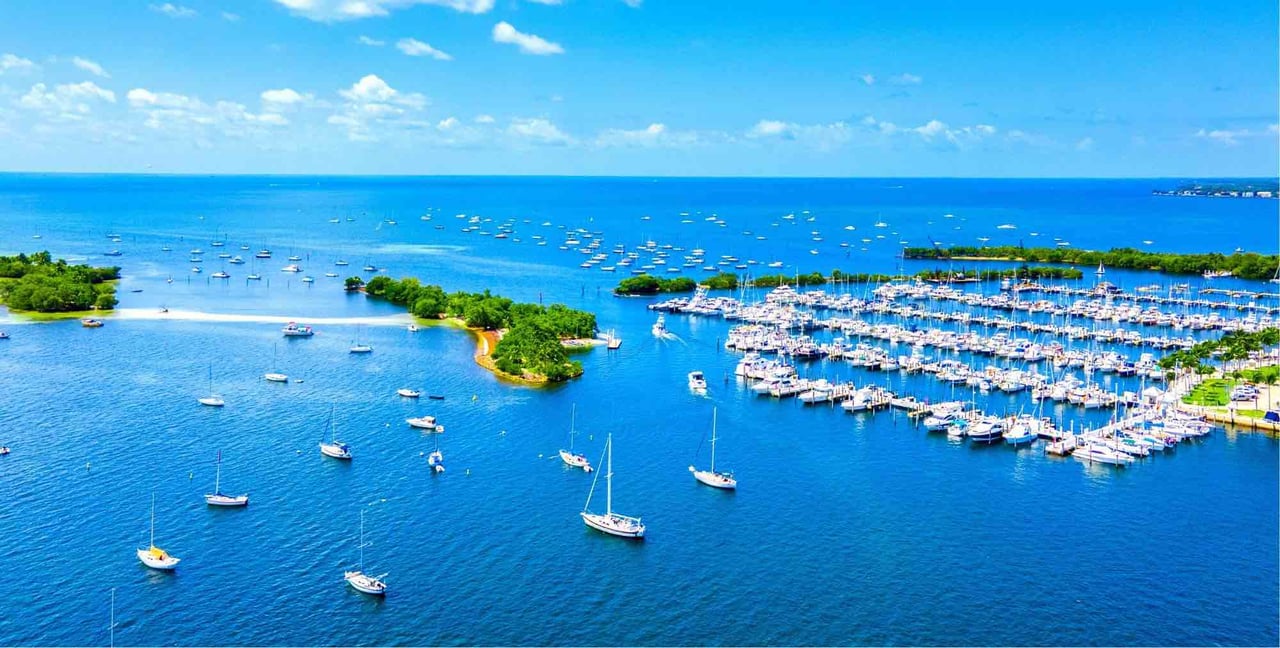
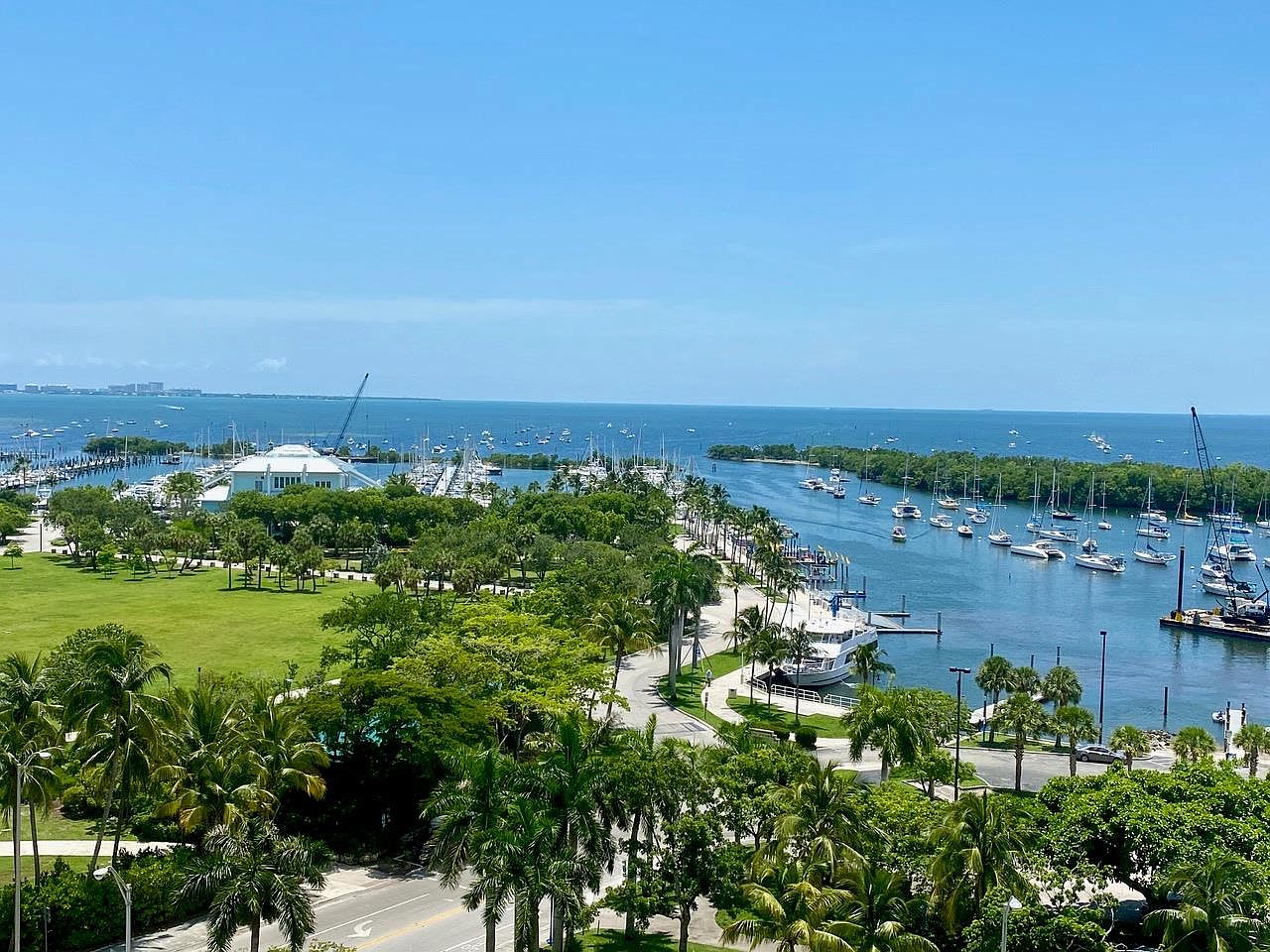
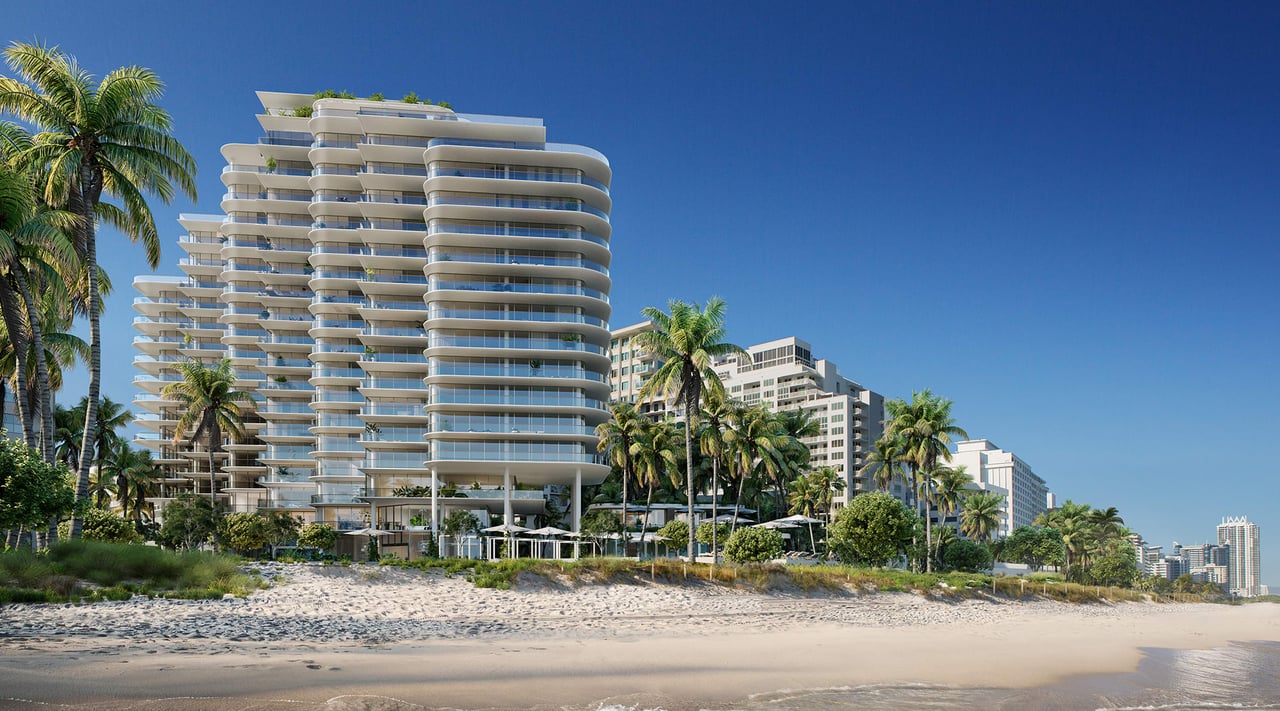
Even if you do not buy directly on the water, Coconut Grove has an established boating ecosystem. The City of Miami operates Dinner Key Marina and Mooring Facility in Coconut Grove with 587 wet slips and 250 moorings, and the Coconut Grove Sailing Club manages 175 moorings in a protected Biscayne Bay field.
That means some buyers can enjoy the area’s marine lifestyle without owning a bayfront lot. Still, if you want private dockage at home, interior properties will not deliver the same convenience.
Walkability to the village core
Interior and near-village homes usually lead
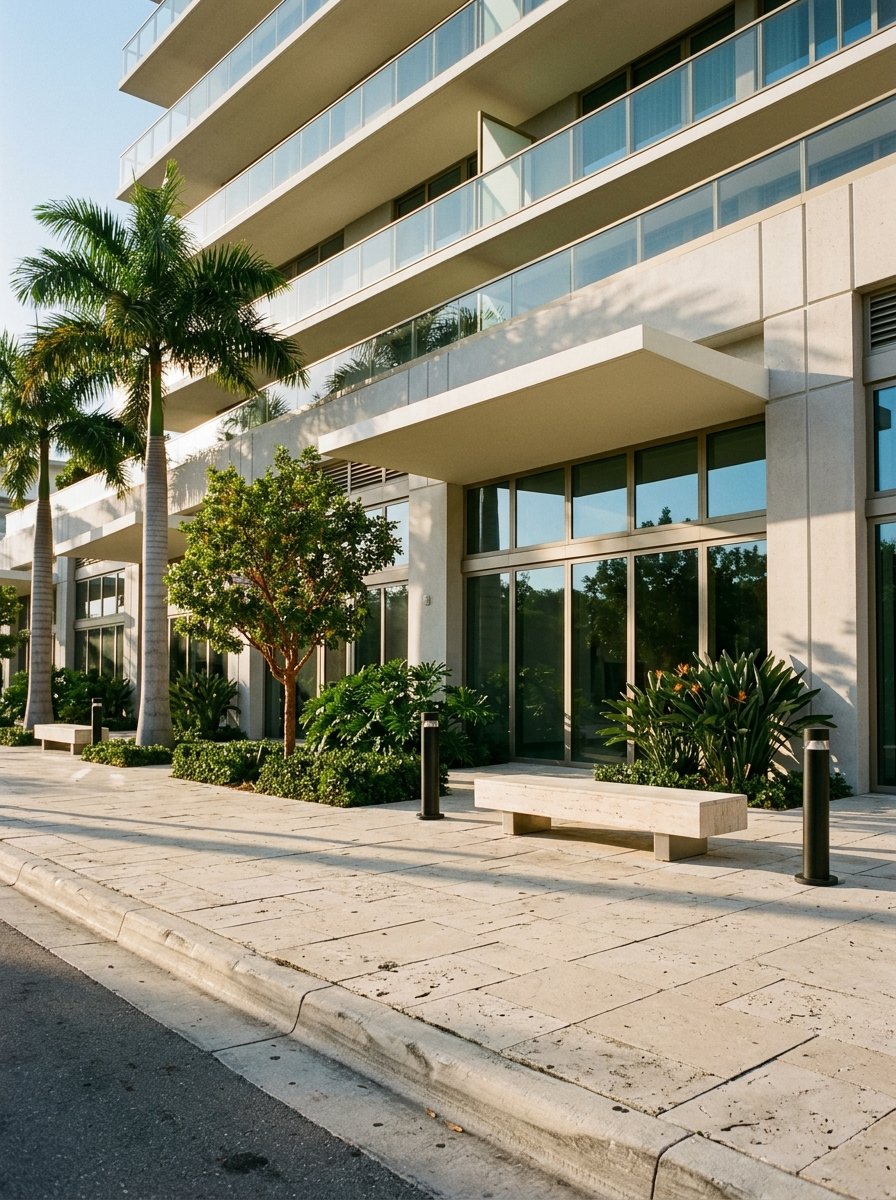
For many buyers, one of Coconut Grove’s biggest draws is how easy it feels to enjoy the village. The Coconut Grove BID describes the area as a place of green space, shoreline, cafes, boutiques, and historic character, and near-village listings often highlight walking access to restaurants, parks, cafés, and shops.
If your ideal day includes walking out for coffee, dinner, or errands, interior and village-adjacent homes often make that easier. This is especially true near the Village Center edge.
Transit access can support daily convenience
The City of Miami’s Coconut Grove trolley route serves parks, shopping areas, City Hall, Grove Central, Coconut Grove Metrorail, and Douglas Road Metrorail. For buyers who commute or want more mobility without relying on a car for every short trip, that can be a meaningful advantage.
Many waterfront homes are still close to the village, but some trade part of that day-to-day convenience for views, dockage, and a more water-focused setting. Whether that trade feels worth it depends on your routine.
Architecture and lot character
Interior homes often show more historic character
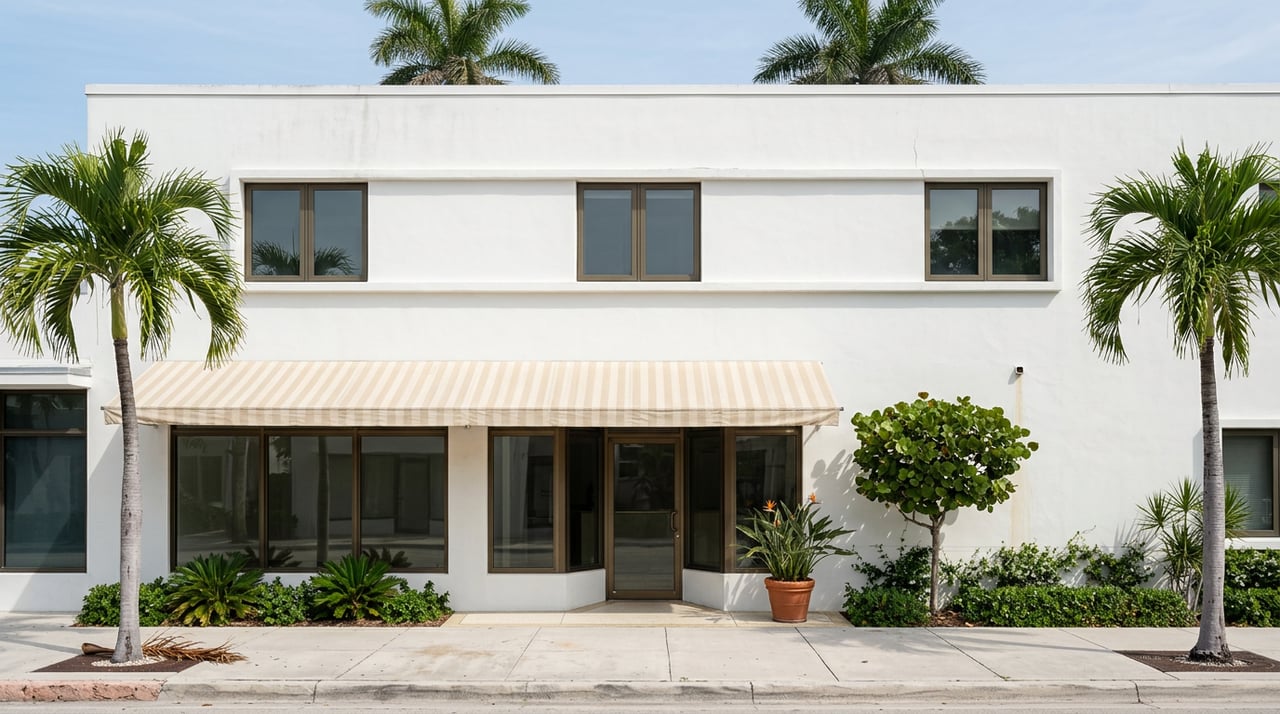
If you are drawn to architecture with neighborhood texture, interior Coconut Grove often offers more of it. City design guidance for nearby Grove areas emphasizes compatibility with Caribbean vernacular and traditional African-American building forms, including features such as shutters, porches, natural ventilation, and materials like stucco, clapboard, and wood.
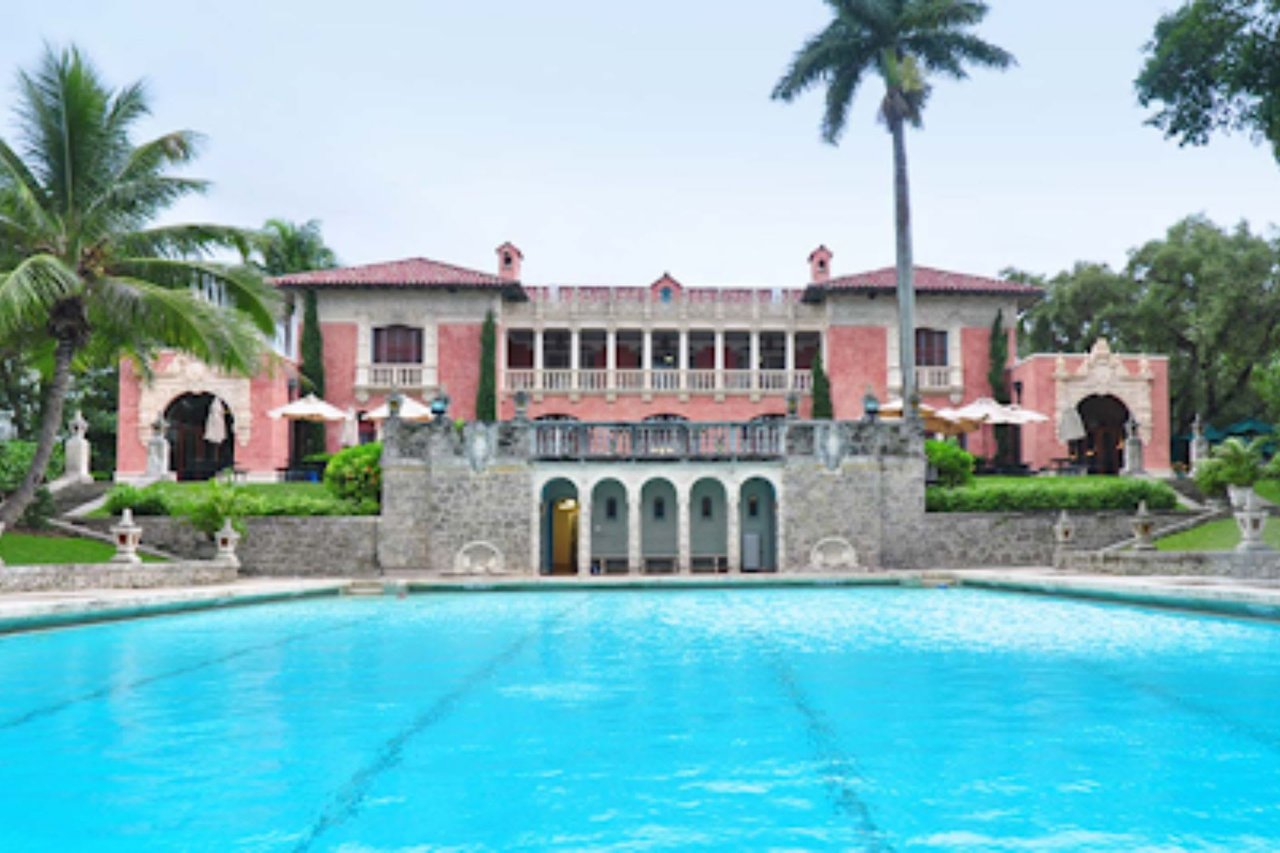
The neighborhood’s historic fabric also includes Mission-style and Mediterranean-style buildings. As a result, interior homes often feel more rooted in the Grove’s older architectural language and smaller-scale residential pattern.
Waterfront homes often lean contemporary
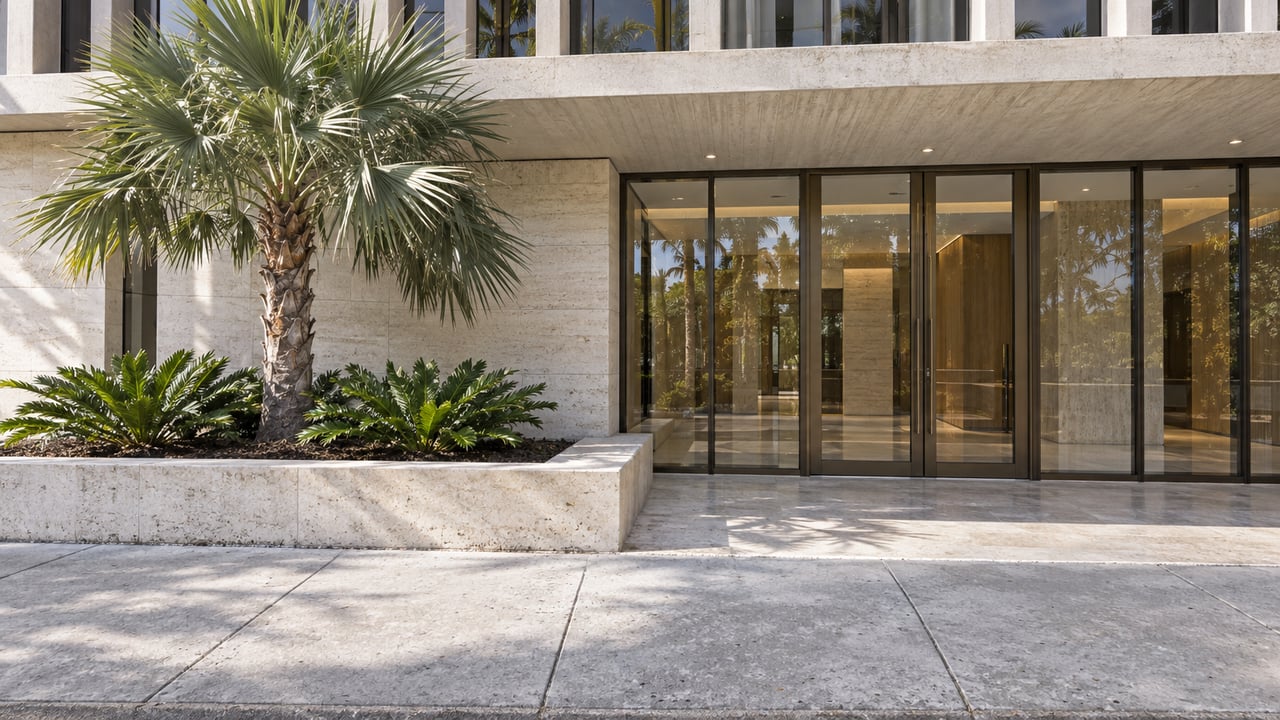
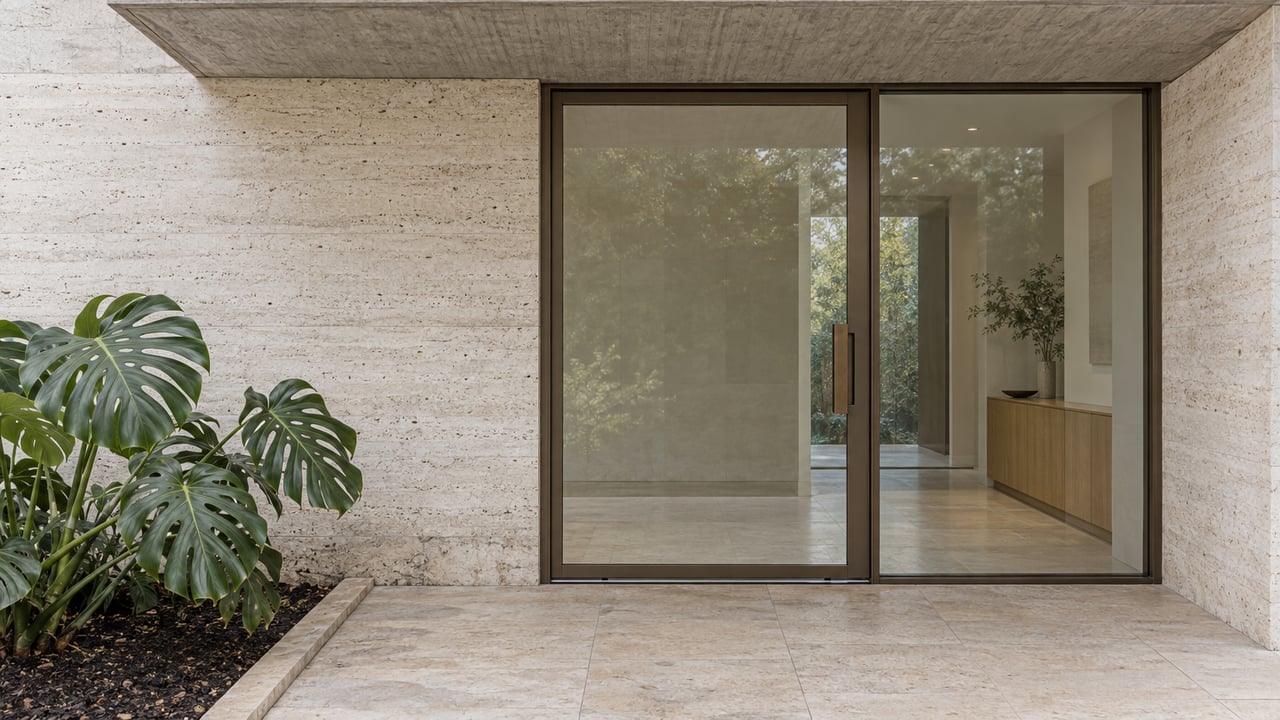
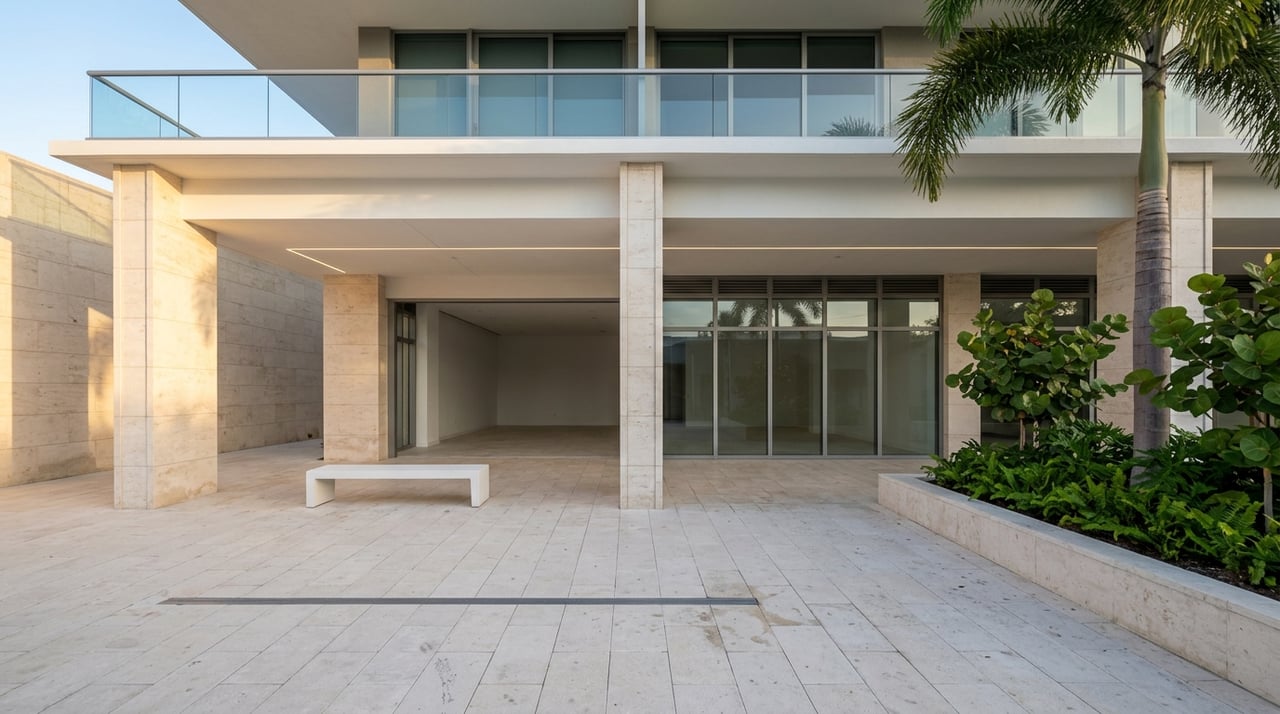
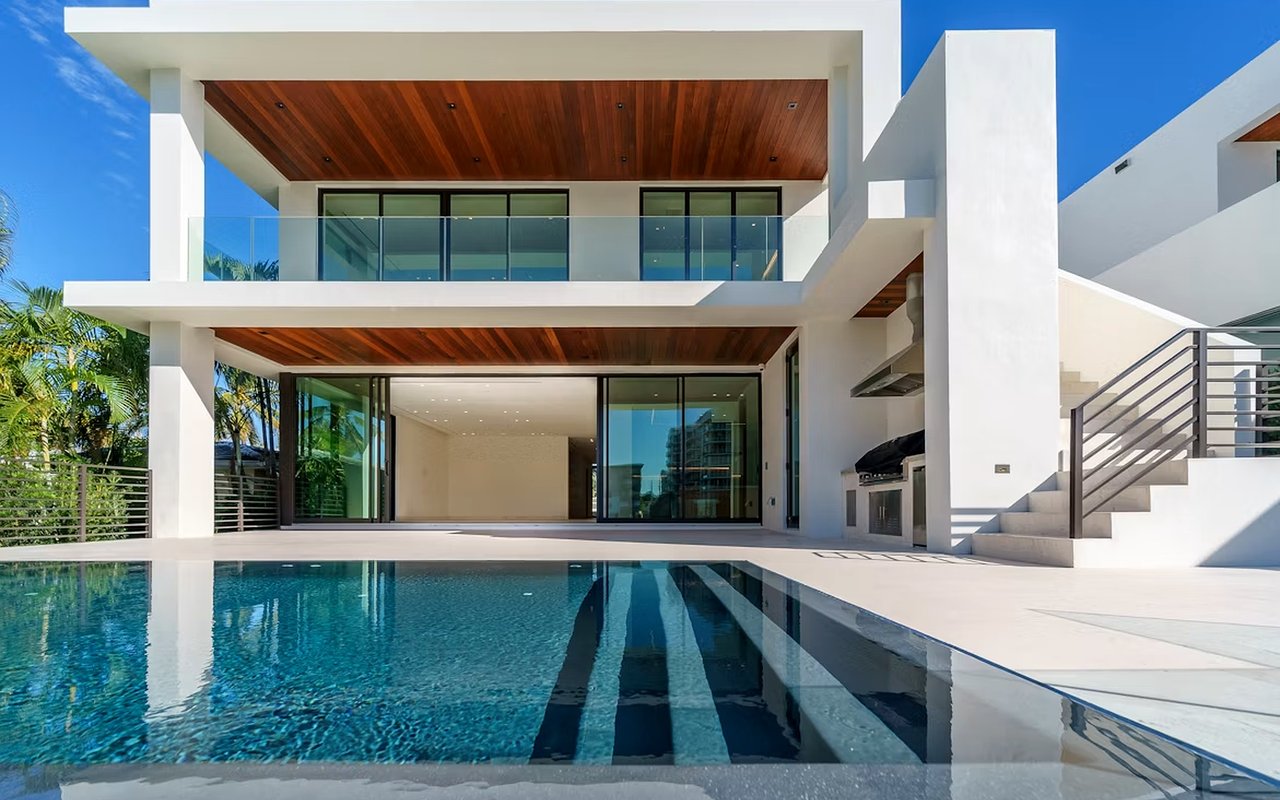
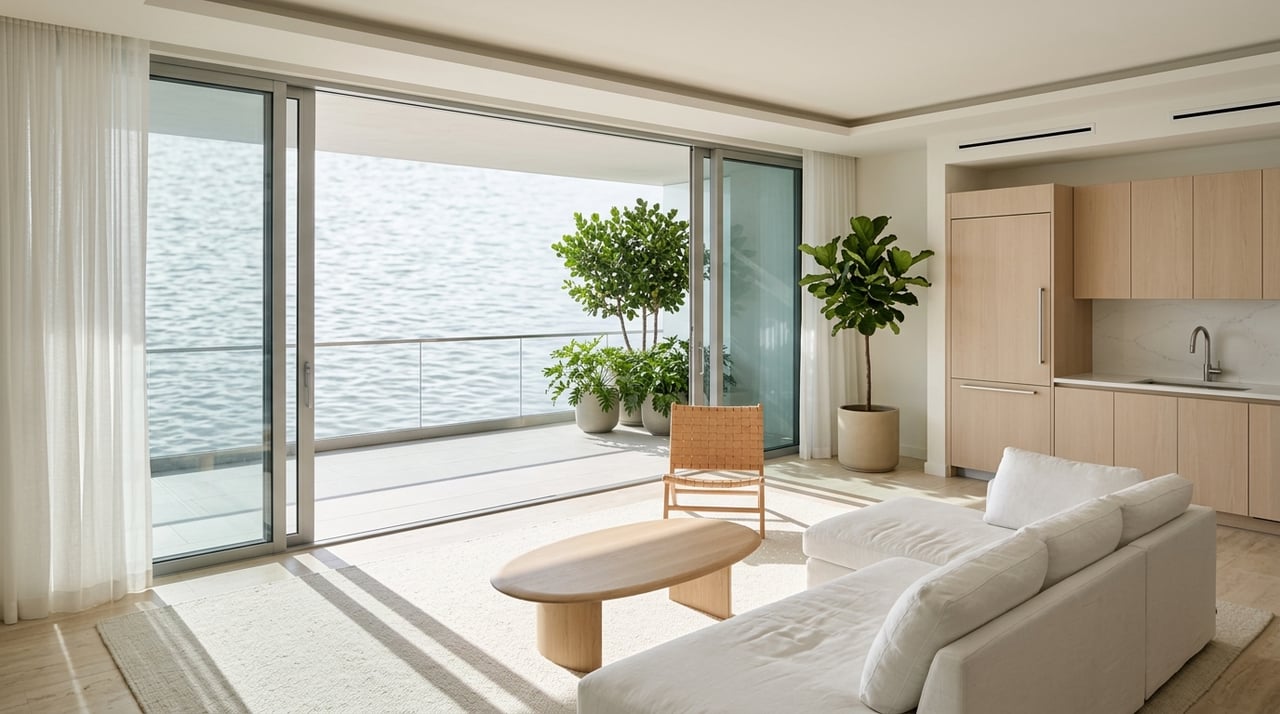
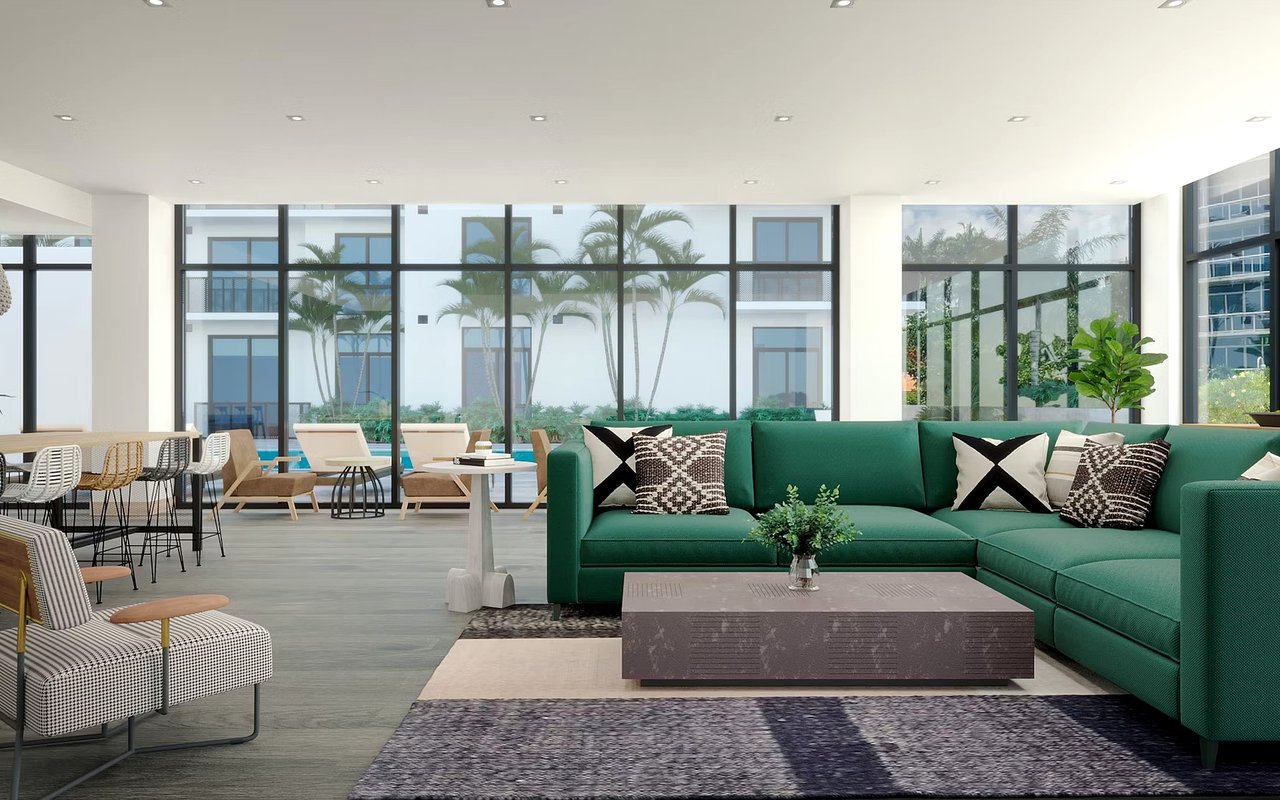
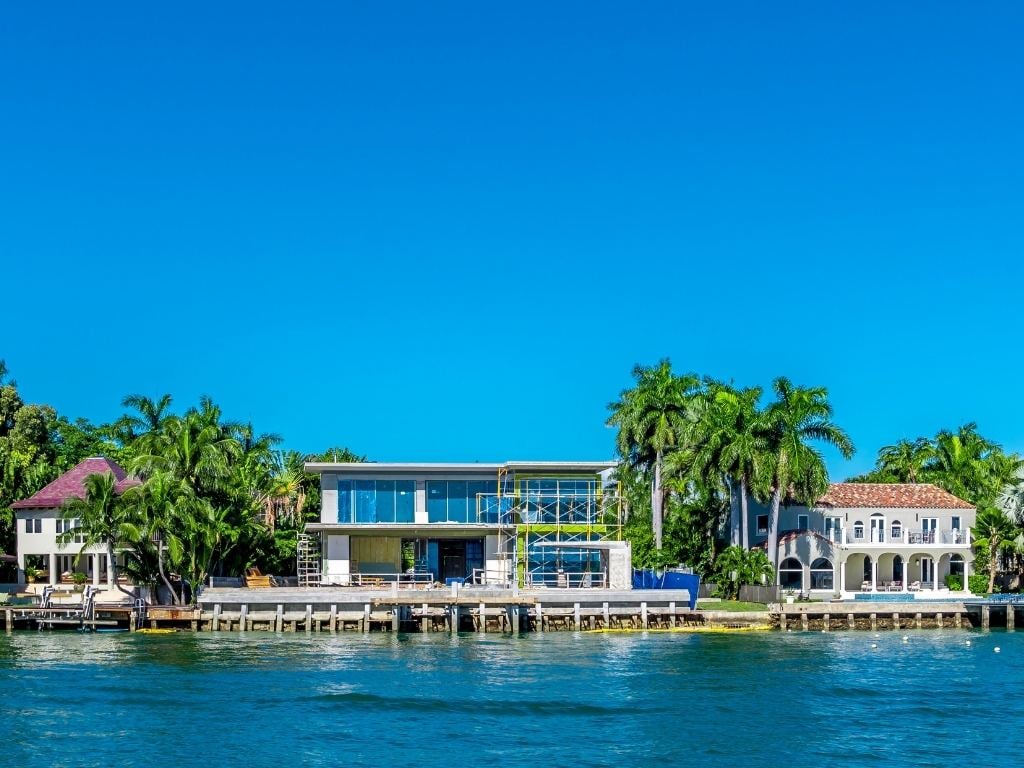
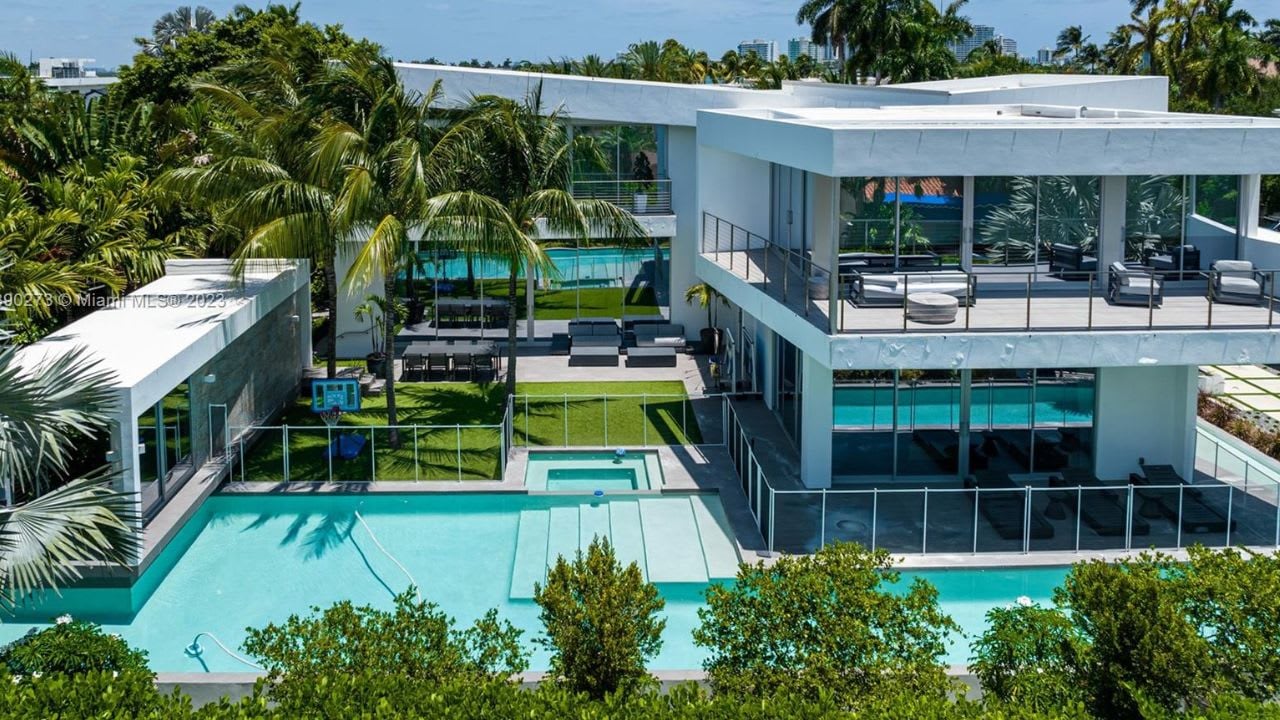
Waterfront listings in Coconut Grove more often skew toward contemporary estates, remodeled modern homes, and tropical-modern design. These properties may emphasize larger expanses of glass, stronger indoor-outdoor flow, and layouts that open directly to terraces, pools, and dock areas.
If your preference is clean lines and a more modern waterfront expression, the bayfront market may offer more of what you want. If you prefer a home with a more layered or traditional streetscape feel, interior blocks may be the better match.
Pricing works street by street
At a broad level, Coconut Grove remains a luxury-heavy market. Redfin reports a median sale price of $2.11 million, a median sale price per square foot of $979, and an average of 86 days on market, while Realtor.com shows a median listing price of $2.8 million and 357 homes for sale.
Those numbers are helpful for context, but they do not tell the full story. In Coconut Grove, pricing can change sharply based on water access, lot size, privacy, view corridor, and how close a property sits to the bay or village core.
The waterfront premium is significant
A Q1 2026 Coconut Grove single-family market report shows just how wide the gap can be. Non-waterfront homes posted a March 2026 median sold price of $3.05 million and $1,109 per square foot, while the one waterfront closing in February came in at a $15 million median sold price and $1,963 per square foot.
Inventory also tells the story. The same report noted only 5 to 7 active waterfront listings across the quarter, and a full-year 2025 report recorded 155 closed single-family sales, with only 3 of them waterfront. In other words, scarcity plays a major role in the price difference.
Which option fits your lifestyle best
Waterfront may fit you best if you prioritize:
- Private dockage or direct boating access
- Open bay or protected-water frontage
- Stronger water views and outdoor entertaining
- A more contemporary estate style
- Scarce, legacy-style property types
Interior may fit you best if you prioritize:
- Quiet, tree-lined residential streets
- Greater seclusion from the street
- Walkability to the village core
- Historic or neighborhood-scaled architecture
- A balance of privacy and daily convenience
How to search smarter in northeast Coconut Grove
The best starting point is to define your water requirement first. Ask yourself whether you need open-bay frontage, protected-waterway access, private dockage, or simply proximity to marinas and moorings.
Then layer in walkability. In Coconut Grove, some of the strongest interior homes combine privacy with close access to village life, while some of the best waterfront properties ask you to give up a bit of that convenience in exchange for water access and views.
For waterfront buyers, floodplain details also deserve early attention. Miami-Dade’s flood protection guidance makes clear that flood zone designation and elevation certificates can matter for lenders, insurers, and long-term ownership planning.
That is why a street-by-street approach works best here. Two homes only a few blocks apart may offer completely different advantages, even when they share the same neighborhood name.
The bottom line on Coconut Grove tradeoffs
In northeast Coconut Grove, the choice between waterfront and interior homes is really a choice between two distinct ways of living. Waterfront homes tend to deliver direct bay access, views, and rarity, while interior homes often offer more privacy, more canopy, and easier day-to-day connection to the village.
Neither option is automatically better. The right fit comes down to how you value boating, privacy, architecture, walkability, and long-term ownership goals. If you want guidance that is specific to your priorities and the Grove’s micro-market realities, the APT Team is here to help.
FAQs
What is the main difference between waterfront and interior homes in northeast Coconut Grove?
- Waterfront homes typically offer direct water access, views, and dockage, while interior homes usually emphasize privacy, tree canopy, quiet streets, and walkability to the village core.
How much more expensive are waterfront homes in Coconut Grove?
- In a Q1 2026 single-family market report, non-waterfront homes had a March 2026 median sold price of $3.05 million, while the one waterfront closing in February was $15 million, showing how large the waterfront premium can be.
Are interior Coconut Grove homes still good for boating access?
- They can still work well for buyers who want to be near the boating lifestyle, since Coconut Grove includes Dinner Key Marina, 250 moorings there, and 175 protected-bay moorings managed by the Coconut Grove Sailing Club.
Which Coconut Grove homes are more walkable to shops and restaurants?
- Interior and village-adjacent homes usually offer better day-to-day walkability to cafes, boutiques, parks, and other village destinations.
What should waterfront buyers in Coconut Grove check before making an offer?
- Waterfront buyers should closely review flood zone designation, elevation certificate details, and the type of water access the property actually provides, such as open bay, protected-waterway frontage, or marina-linked access.