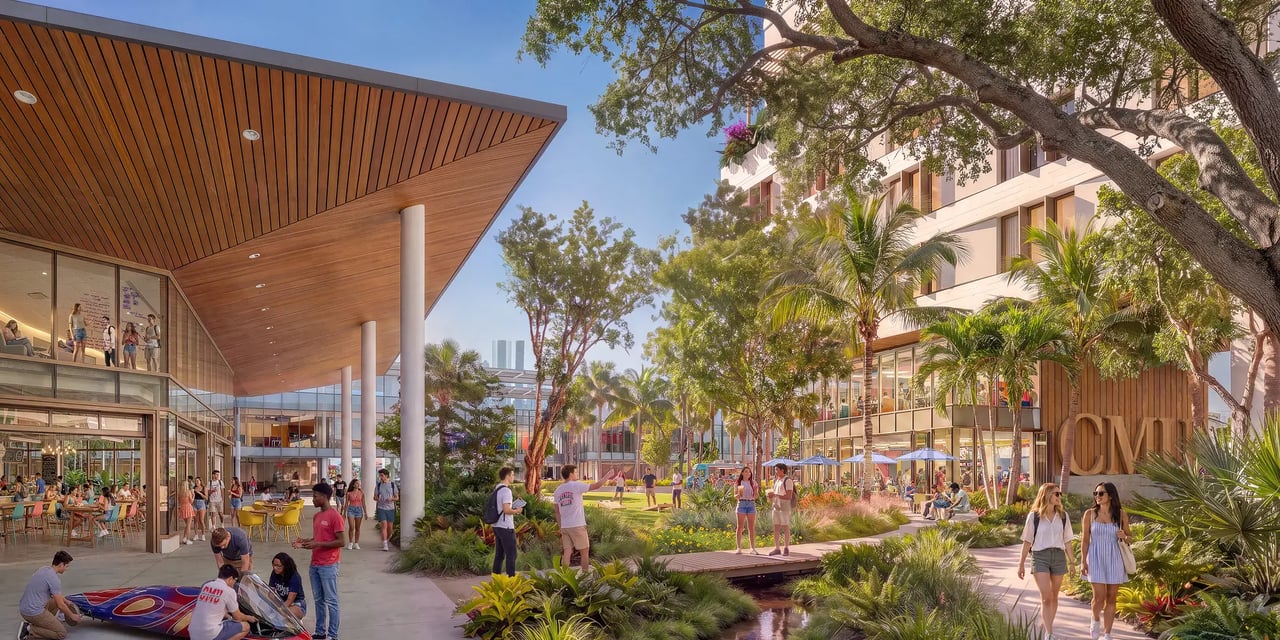
Carnegie Mellon University’s new 35-acre Wynwood campus signals something bigger: Miami’s evolution from a destination for wealth and capital into a global hub for talent, technology and innovation.
Miami has spent much of the past decade attracting capital, companies and extraordinary levels of wealth migration.
Now, the city is increasingly attracting something equally important to its long-term future: institutions.
Carnegie Mellon University announced that Citadel founder and CEO Ken Griffin has committed $3 billion to the university, the largest individual gift in Carnegie Mellon’s history and one of the most significant philanthropic commitments ever made to higher education.
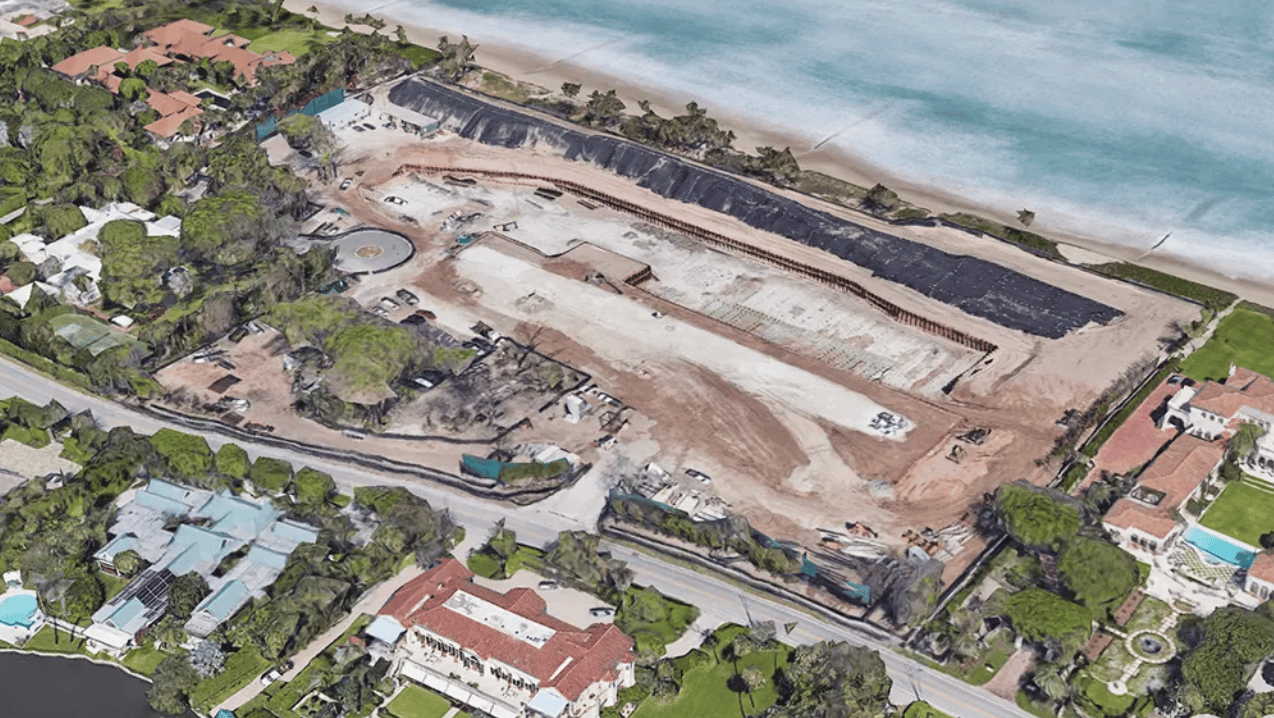
Most importantly for South Florida, $2 billion of Griffin’s gift will support the creation of Carnegie Mellon University Miami (CMU Miami), a major new university and research campus planned for approximately 35 acres in Wynwood, Miami, Florida.
The announcement could have implications far beyond education. Carnegie Mellon’s arrival has the potential to strengthen Miami’s growing technology and artificial intelligence ecosystem, attract highly skilled talent, encourage entrepreneurship and corporate investment, and further transform the Wynwood–Downtown–Brickell corridor.
For Miami real estate, it is another significant piece of a much larger story.
What Is Carnegie Mellon University Miami?
Carnegie Mellon University Miami, or CMU Miami, will be a major new campus of Carnegie Mellon University, one of the country’s leading research universities and particularly recognized for its work in computer science, artificial intelligence, robotics, engineering and emerging technologies.
Construction of the Wynwood campus is expected to begin in 2027, subject to necessary regulatory approvals. The first graduate students are expected in 2028, followed by the inaugural undergraduate class planned for 2032.
At full buildout, CMU Miami is expected to support more than 3,500 undergraduate, master's and Ph.D. students, nearly 300 faculty members and more than 600 staff members.
Plans also include industry research laboratories and venture studios designed to bring researchers, entrepreneurs and companies together.
That scale makes this much more than a traditional satellite university campus.
Why Is Carnegie Mellon Coming to Miami?
Miami has undergone a remarkable economic transformation.
The city has attracted financial institutions, private equity firms, technology companies, entrepreneurs and significant private wealth from across the United States and around the world.
But the next stage in becoming a mature global economic center requires something beyond capital.
It requires talent, research, education and innovation infrastructure.
Carnegie Mellon brings all four.
CMU Miami is expected to focus research and education around areas including human health and biological discovery, national security and strategic capabilities, advanced manufacturing and industrial transformation, and energy and climate resilience, with artificial intelligence and emerging technologies playing an important role across disciplines.
That could help Miami develop something every major innovation economy needs: a continuous pipeline connecting universities, talent, research, startups, venture capital and established companies.
A $1.1 Billion Wynwood Land Deal
The scale of the commitment becomes even more remarkable when looking at the real estate behind it.
On the same day Carnegie Mellon announced Griffin's historic gift, another major transaction was revealed: approximately 30 acres of Moishe Mana's Wynwood holdings were acquired for roughly $1.1 billion, according to the South Florida Business Journal.
The transaction was reported as the largest land deal in South Florida history.
The property will form a significant part of Carnegie Mellon University Miami's planned Wynwood campus.
That means this isn't simply an announcement about what might someday happen in Miami.
More than $1 billion in Wynwood real estate has already changed hands as part of the effort to make the vision possible.
Moishe Mana spent years assembling one of Wynwood's largest concentrations of property, making an early investment in a neighborhood that would ultimately become internationally recognized for art, restaurants, offices, residential development and culture.
Now, a significant portion of that assemblage is beginning another chapter.
What Could Carnegie Mellon Mean for Wynwood?
Wynwood's evolution is already one of Miami's great urban transformation stories.
It evolved from an industrial neighborhood into an international arts destination. Restaurants and retail followed. Then came offices, hotels, luxury residential development and institutional investment.
Carnegie Mellon introduces something fundamentally different: a major research and educational institution intended to operate and grow in Miami for generations. Thousands of students, professors, researchers and employees could create additional demand for housing, restaurants, retail, offices and services. Research laboratories and venture studios could also encourage companies and entrepreneurs to locate near the university.
The result could be another evolution for the neighborhood:
From industrial district to arts district. From arts district to residential and commercial destination. And potentially, from there to a major center for technology, research and innovation.
Why Carnegie Mellon Miami Matters for the City's Technology and AI Ambitions
Carnegie Mellon has played an important role in the development of computer science, robotics and artificial intelligence.
That makes the choice of Miami particularly noteworthy.
Miami has worked for years to develop a larger technology ecosystem while simultaneously establishing itself as a major financial center. Bringing a globally recognized research university into that environment creates opportunities for collaboration between academia, finance, technology, healthcare, entrepreneurship and venture capital.
Universities can also produce something cities cannot easily import indefinitely: homegrown talent.
Students become graduates. Graduates become employees and entrepreneurs. Researchers create intellectual property. Research can generate startups. Startups attract investment and additional talent.
That cycle is one of the foundations behind many of the world's most successful innovation economies.
What Could Carnegie Mellon Miami Mean for Miami Real Estate?
Miami's luxury real estate market has benefited enormously from wealth and population migration.
But sustainable real estate demand becomes stronger when a city also develops institutions that give people reasons to establish careers, raise families and build their lives there. A university campus alone does not determine property values, and the ultimate effects of CMU Miami will depend on how the campus and surrounding neighborhoods develop.
But consider the ecosystem associated with a major research university: students, professors, researchers, administrators, visiting academics, entrepreneurs and companies seeking proximity to talent and research.
Collectively, those groups can deepen the employment and population base supporting residential and commercial real estate.
Location matters as well.
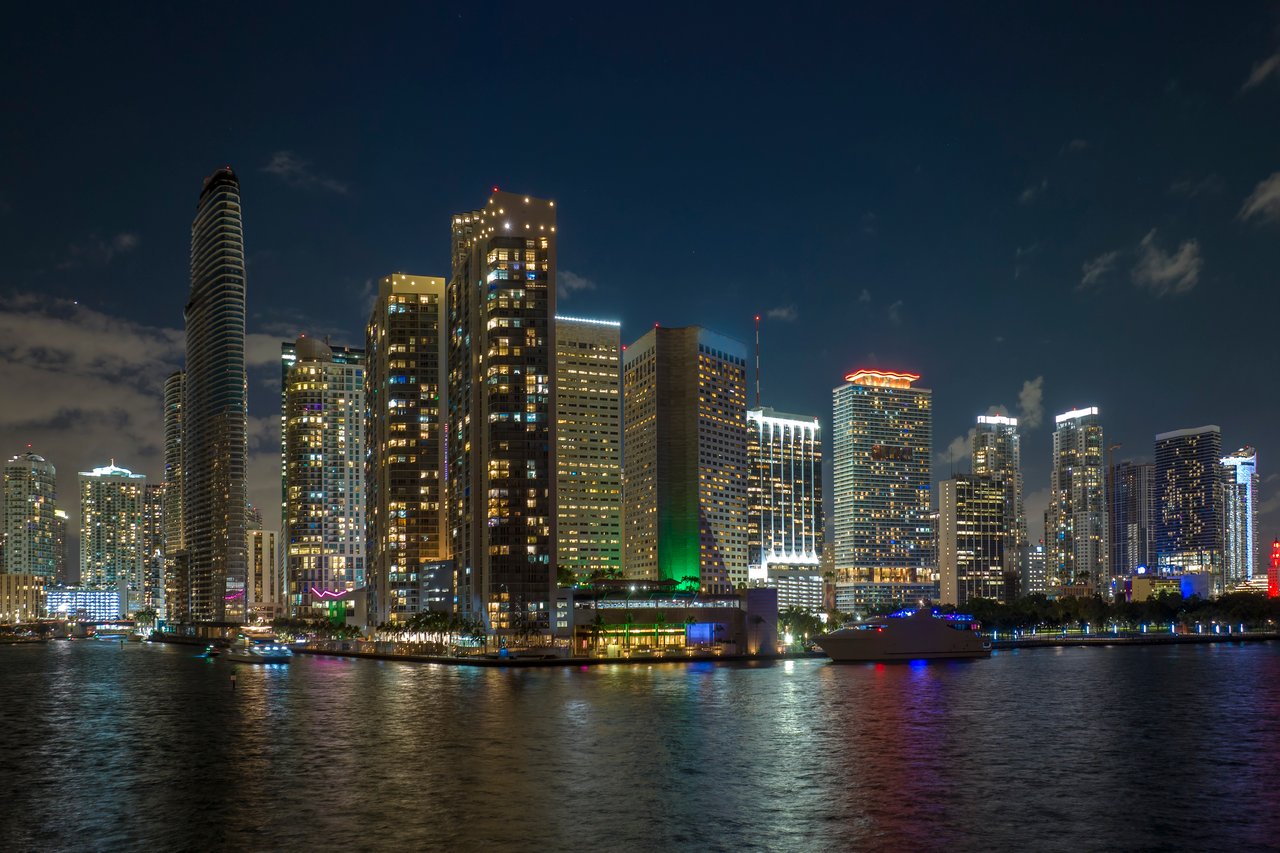
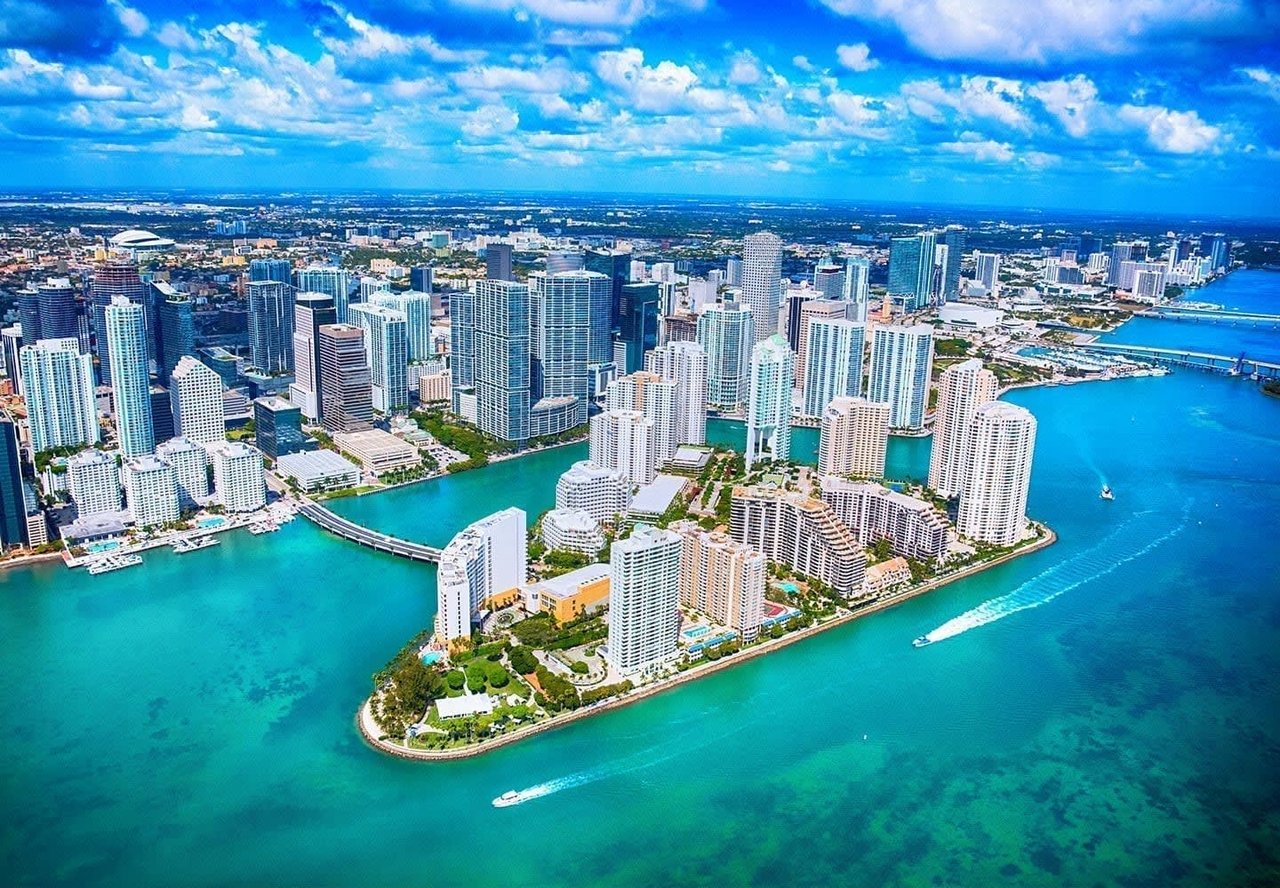
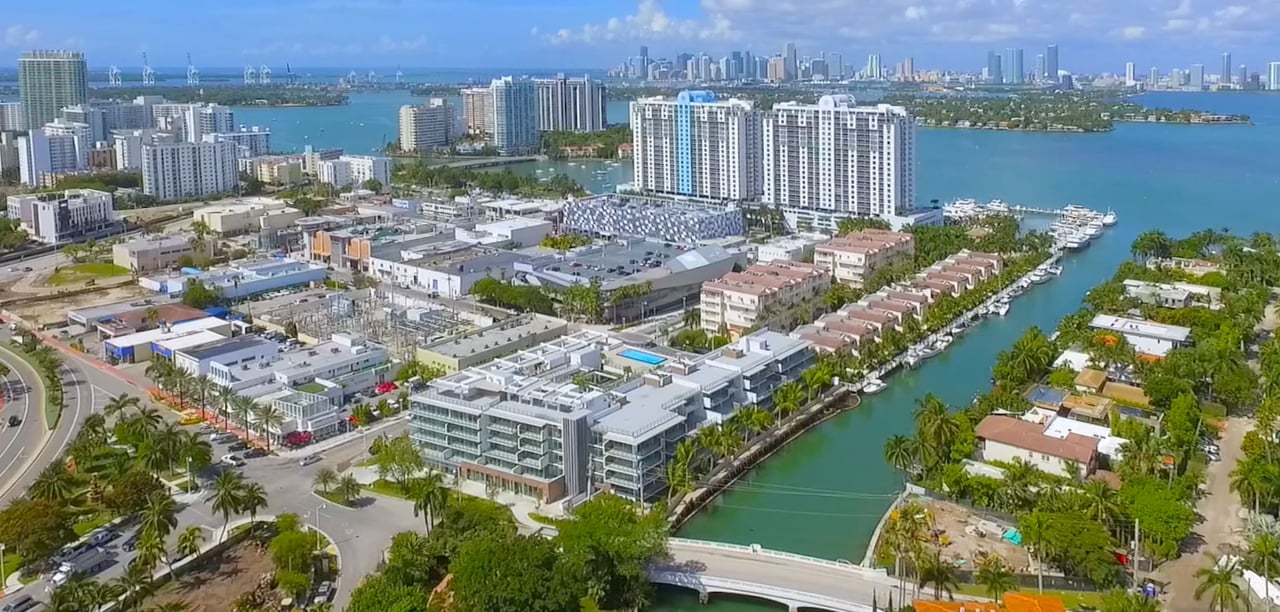
Wynwood sits within Miami's increasingly interconnected urban core, immediately north of Downtown and close to Edgewater, the Design District and Brickell.
The arrival of a 35-acre research university adds another major institutional anchor to that corridor.
From Wealth Migration to Institution Building
For much of the past several years, Miami's growth story has centered on migration.
People came. Companies came. Capital came.
But what we are witnessing now may represent the next stage.
Institutions are being built.
Consider the scale surrounding this announcement: a historic $3 billion gift to Carnegie Mellon, approximately $2 billion committed toward establishing CMU Miami, and a related $1.1 billion Wynwood land transactionsupporting the creation of a roughly 35-acre university campus.
These are not investments measured in months or market cycles.
They are commitments measured in decades and generations.
Miami Is Building the Infrastructure of a Global City
Airports matter. Transportation matters. Corporate headquarters matter. Housing matters.
But so do universities, research centers, hospitals and cultural institutions.
They create the intellectual and human infrastructure that allows a city to evolve beyond simply being an attractive place to live.
For years, one of the questions surrounding Miami's extraordinary growth was whether the migration of people, businesses and capital would endure.
Developments such as Carnegie Mellon University Miami increasingly change that conversation.
Miami isn't simply attracting people and wealth anymore.
People and institutions are building their futures here.
And perhaps the biggest takeaway from Ken Griffin's historic Carnegie Mellon investment is this:
Miami's next chapter isn't simply about how much wealth is moving here. It's about what that wealth is now building here.
Source: Carnegie Mellon University, Wall Street Journal, Bloomberg and South Florida Business Journal. Conceptual renderings; campus plans subject to regulatory approval.