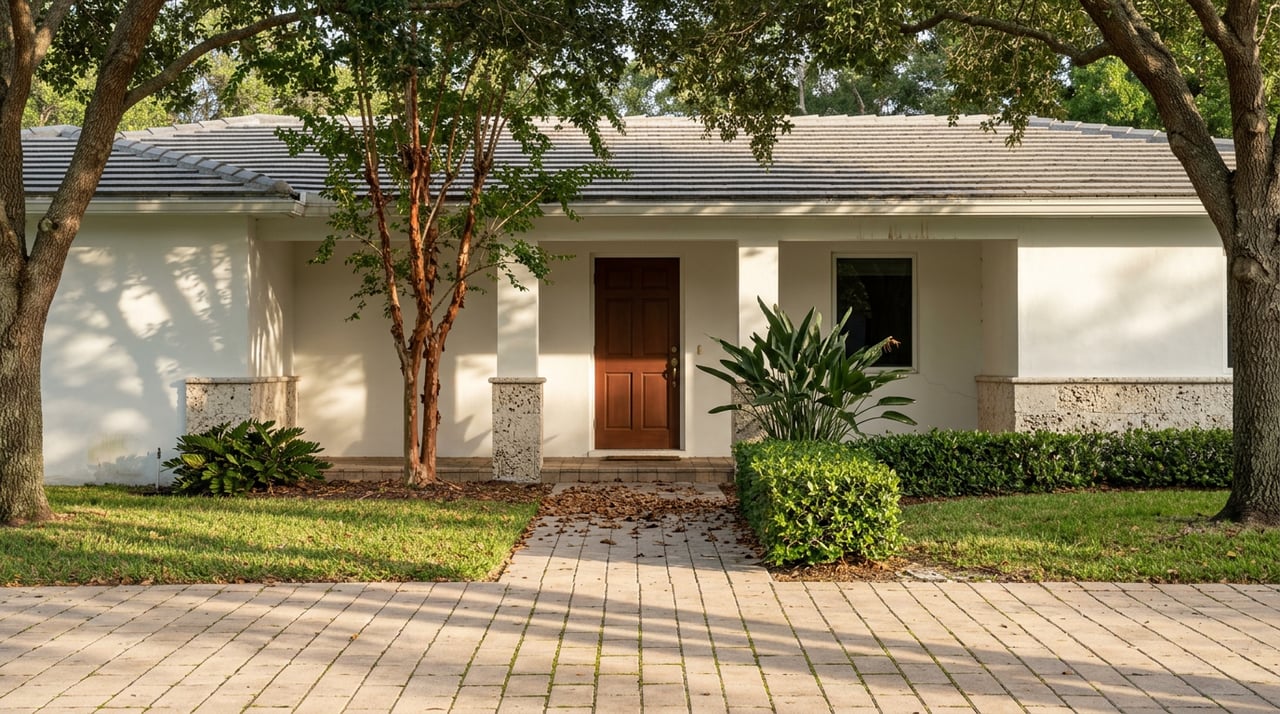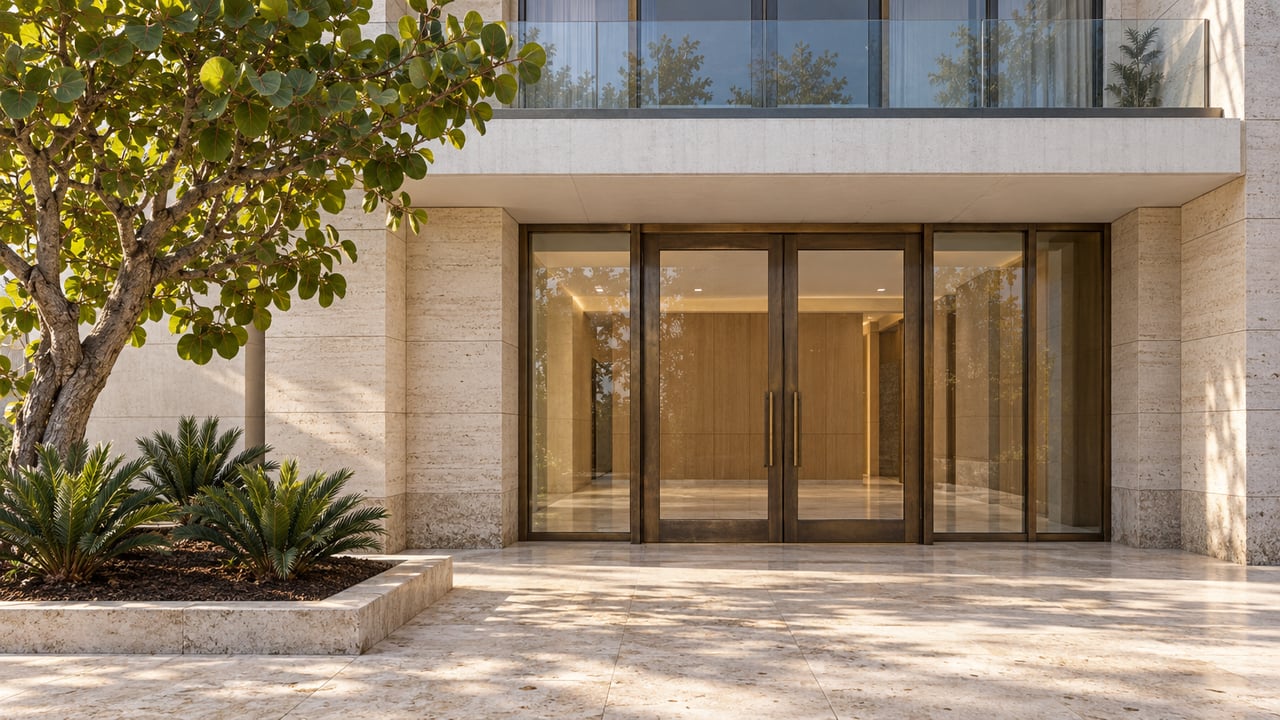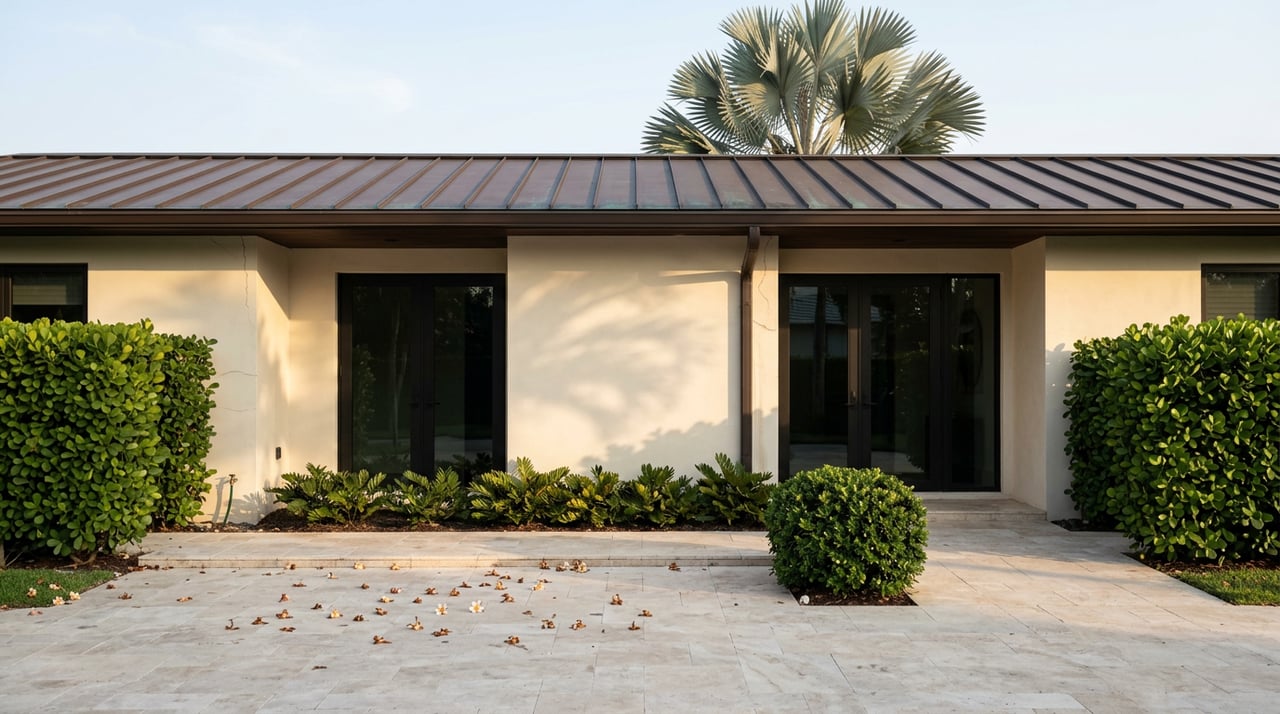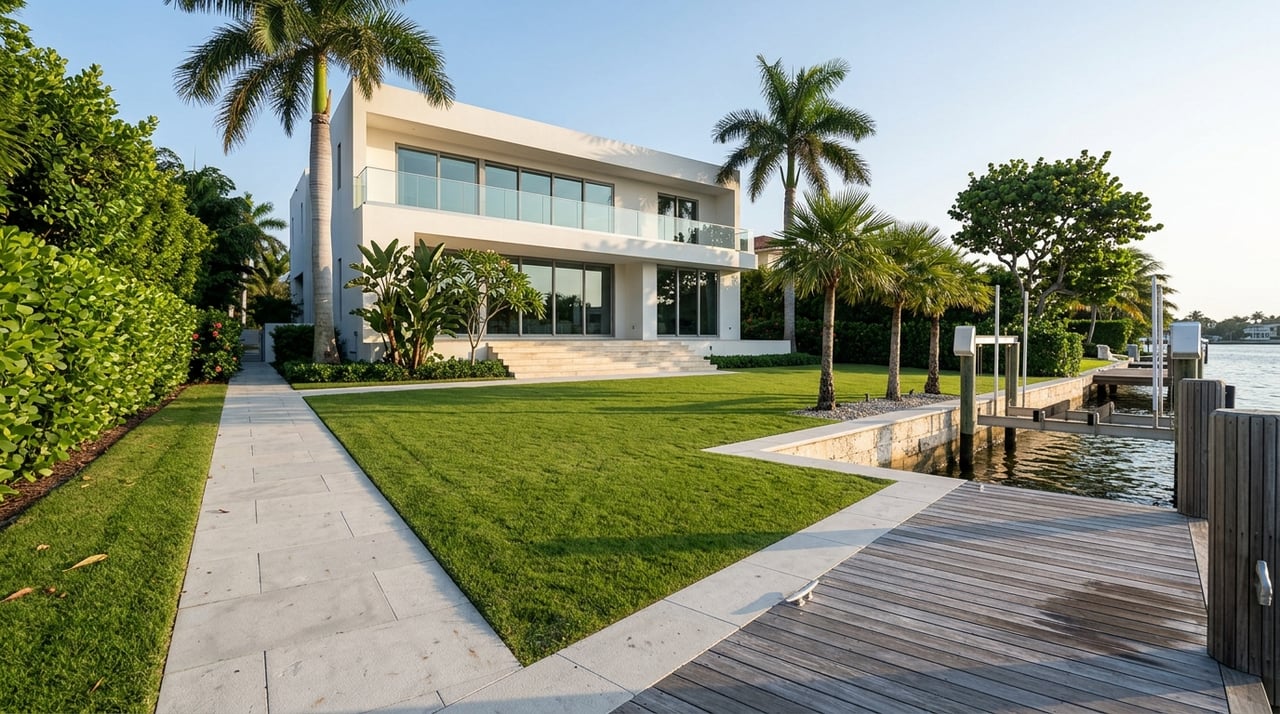
What are buyers really paying for on Star, Palm, and Hibiscus Islands: the house, or the land beneath it? In this part of Miami Beach, that question matters more than most people expect. If you are buying, selling, or holding a waterfront property here, understanding lot value versus home value can help you price smarter, negotiate better, and plan with more confidence. Let’s dive in.
Why These Islands Trade Differently
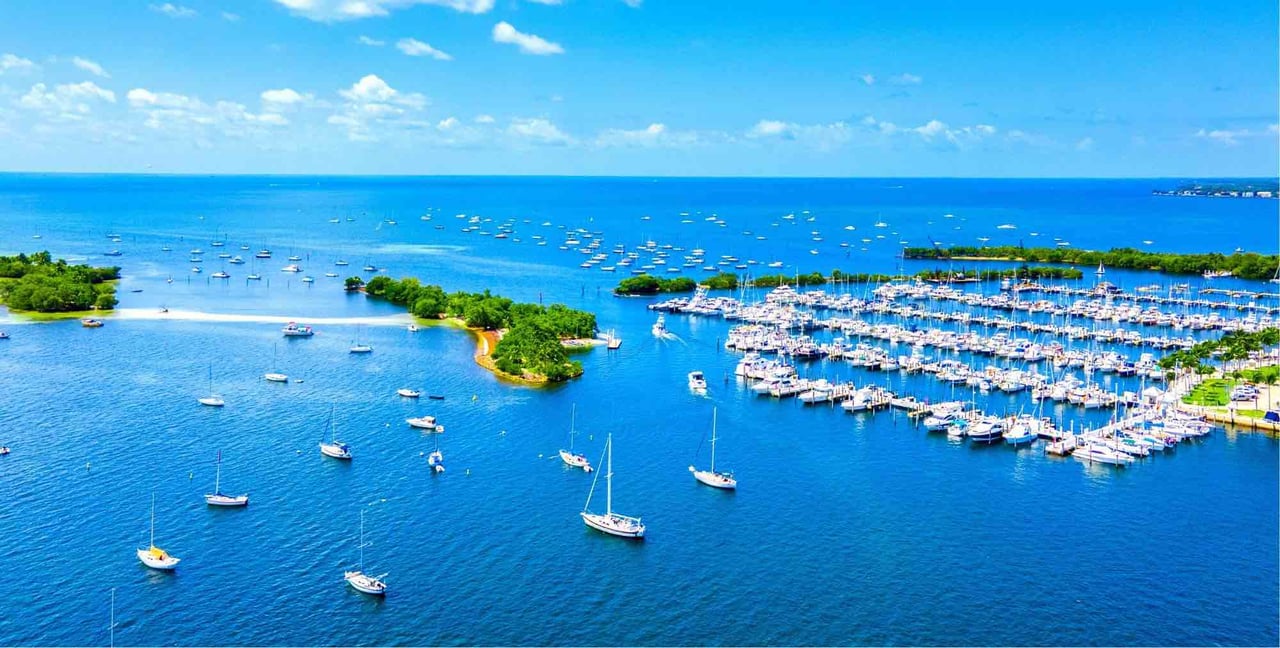
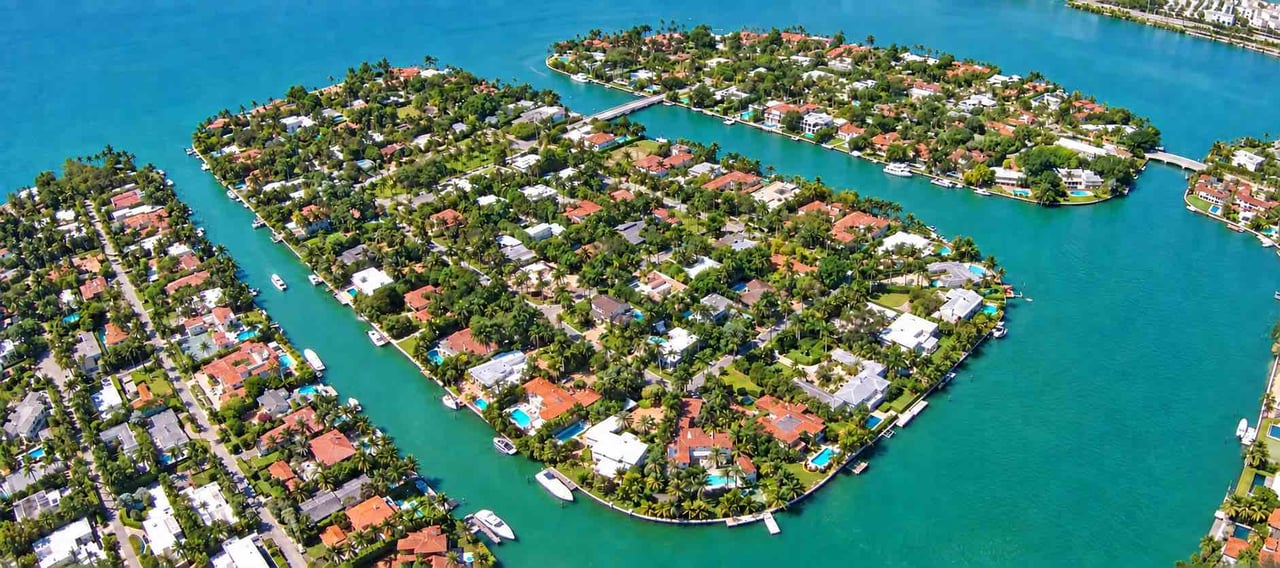
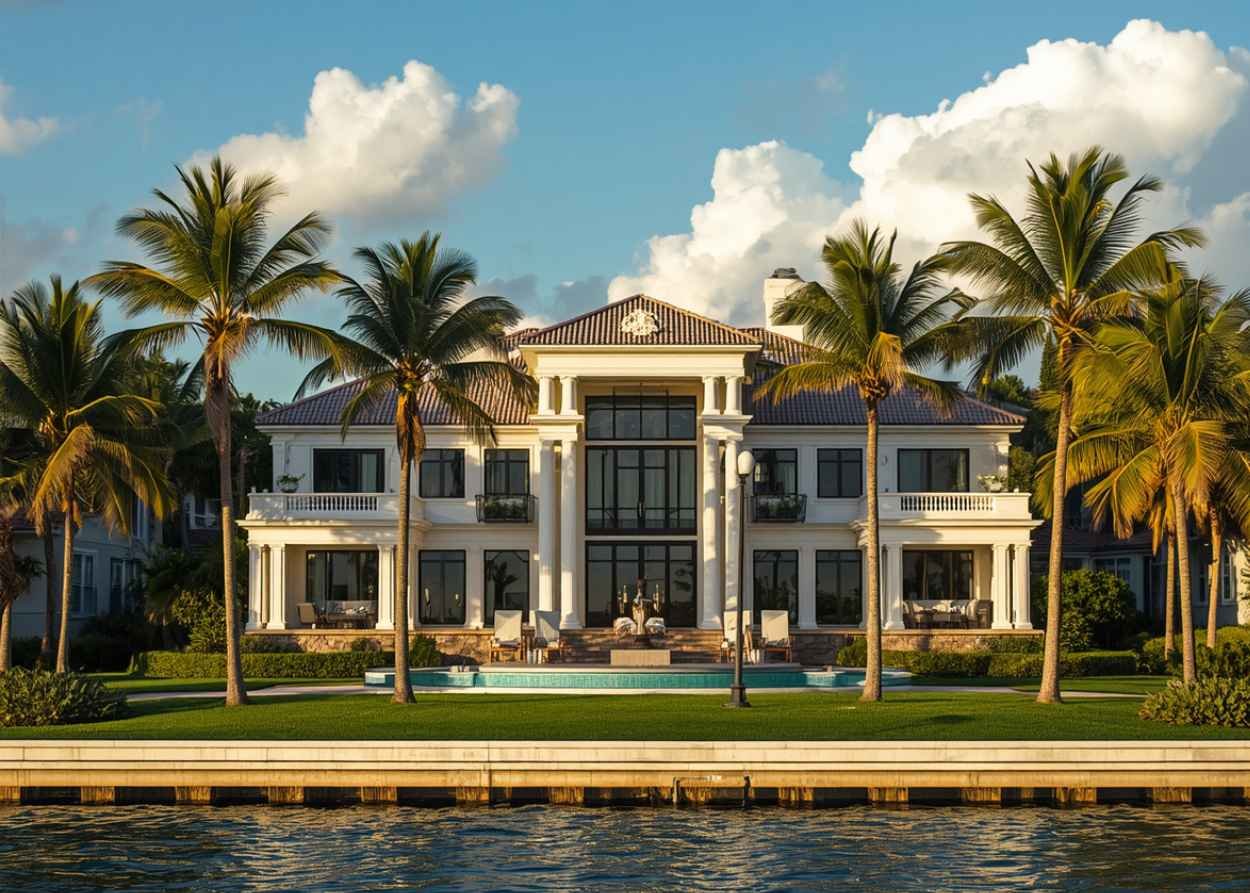
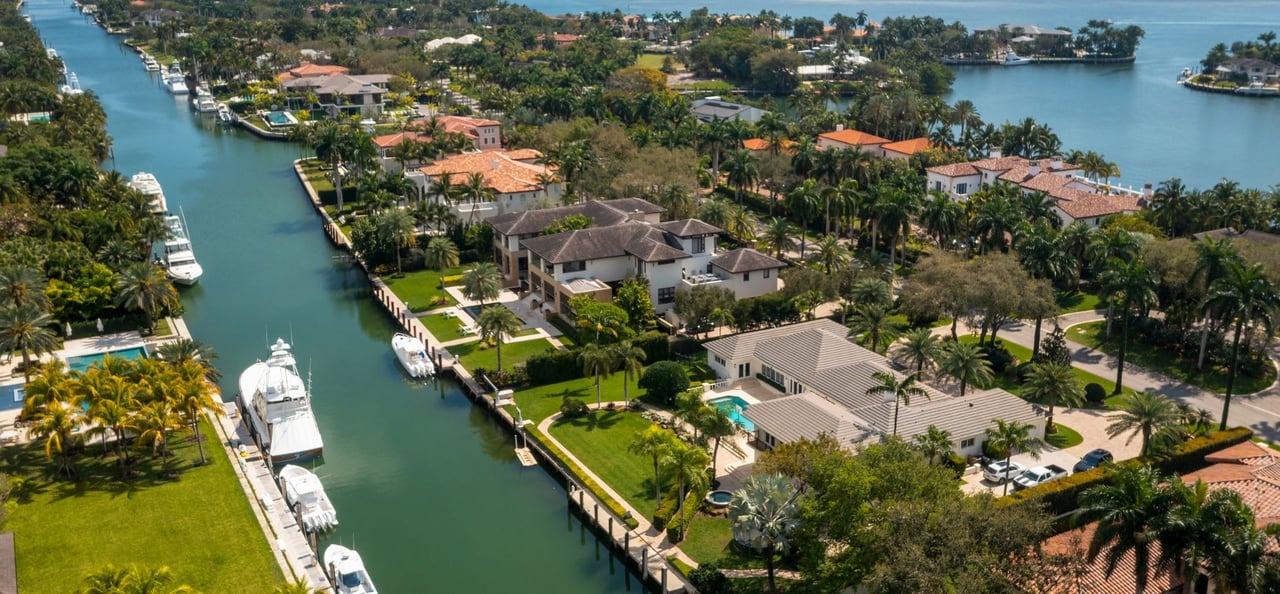
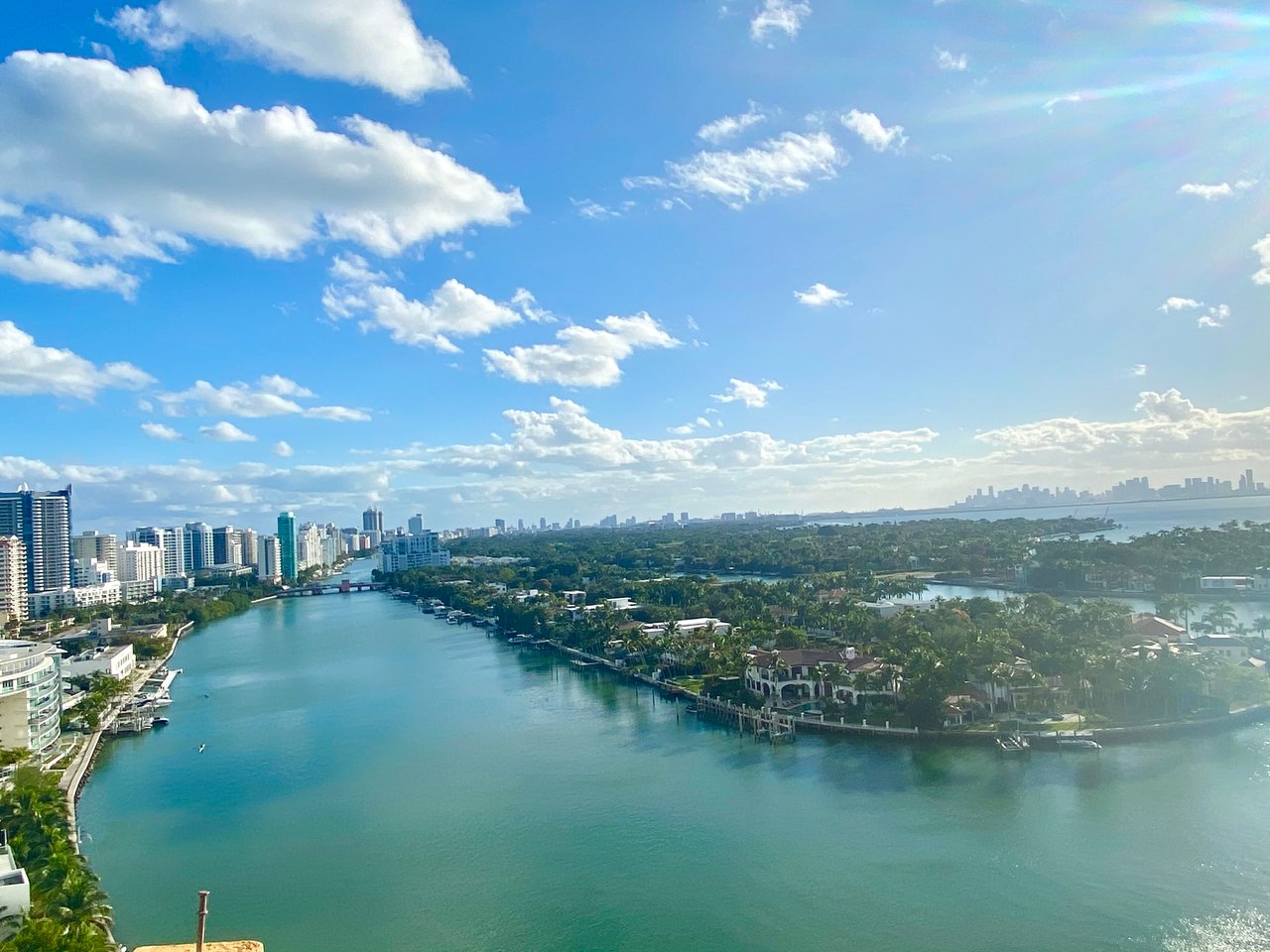
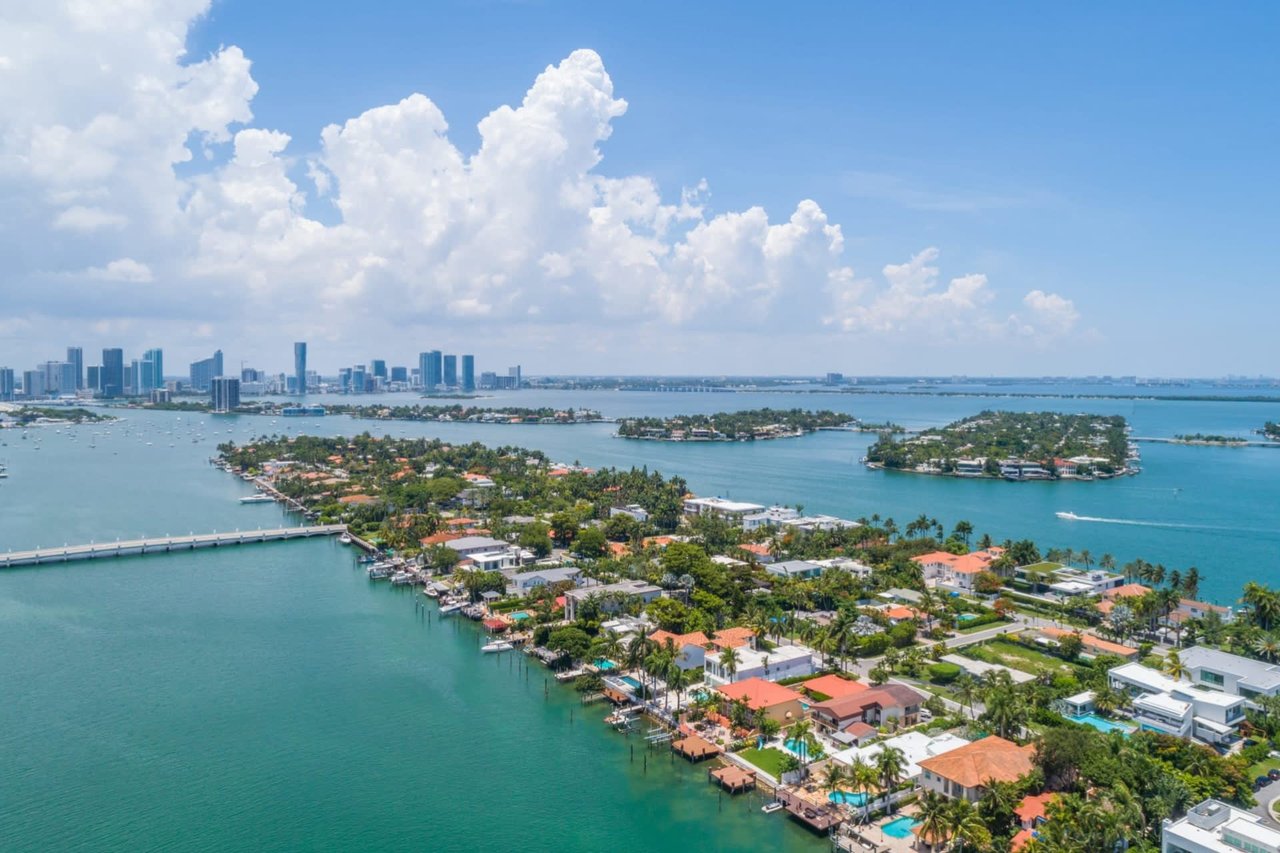
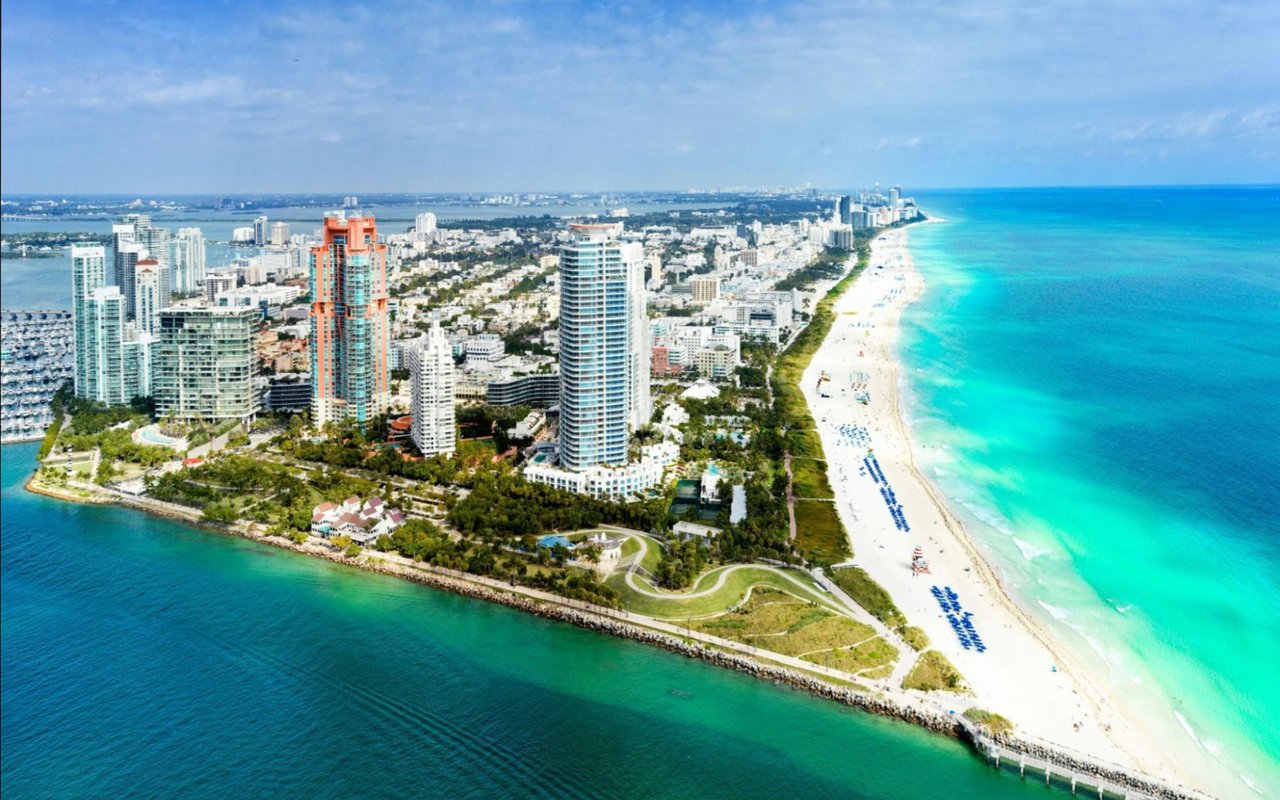
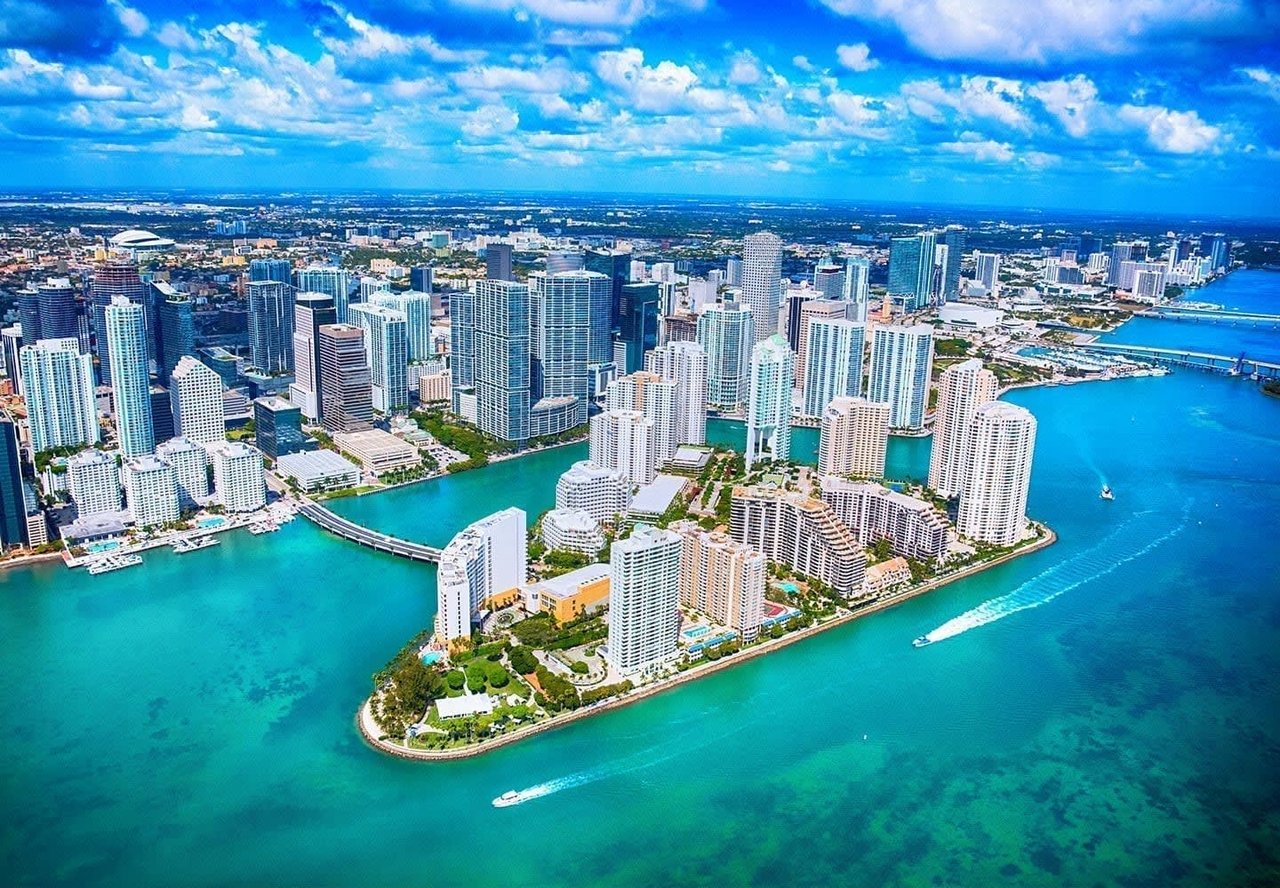
Star, Palm, and Hibiscus operate more like three closely watched micro-markets than typical neighborhood streets. Palm Island and Star Island are both man-made islands connected by the MacArthur Causeway area, and Palm and Hibiscus share gated access, security, and park amenities. That combination of privacy, limited inventory, and waterfront positioning creates a very specific buyer mindset.
At the top end of the market, scarcity often starts with the parcel itself. Bloomberg reported that a Star Island estate sold for $120 million in 2025, setting a Miami-Dade single-family record. Local reporting has also highlighted lot assembly activity on Star Island, which underscores a key point: in this market, buyers may be chasing control of land as much as a finished home.
Lot Value Often Leads
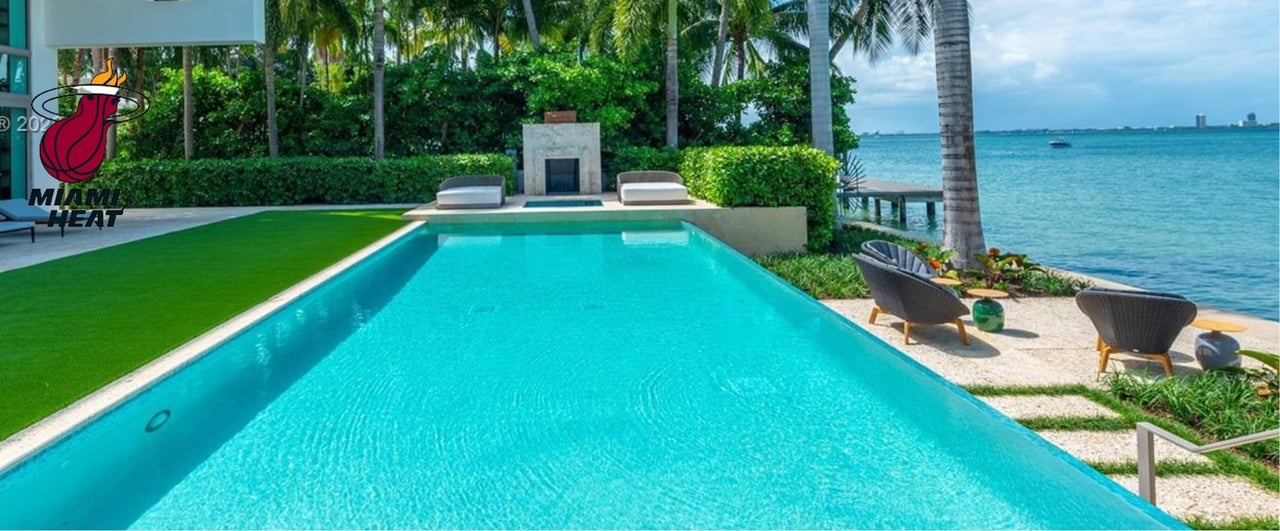
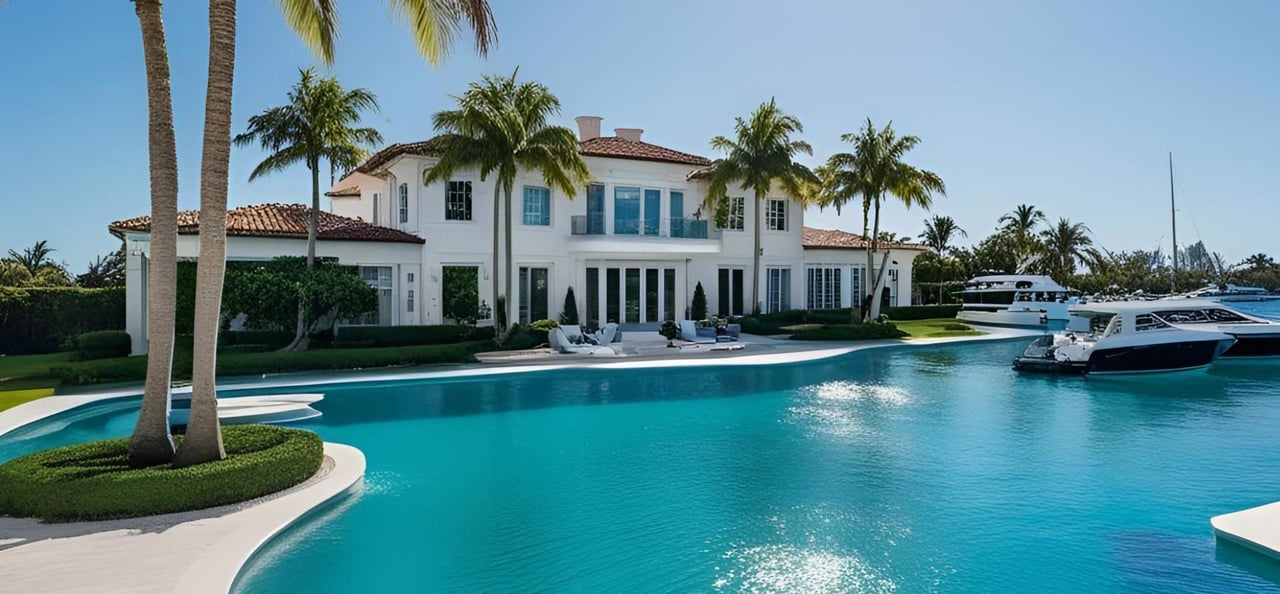
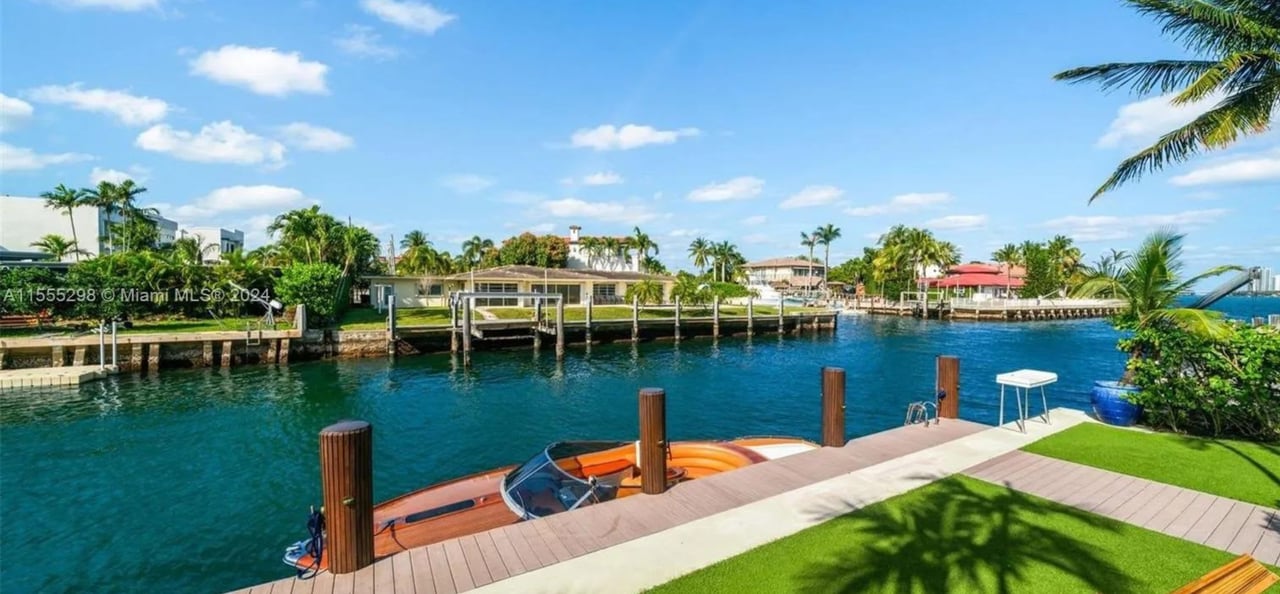
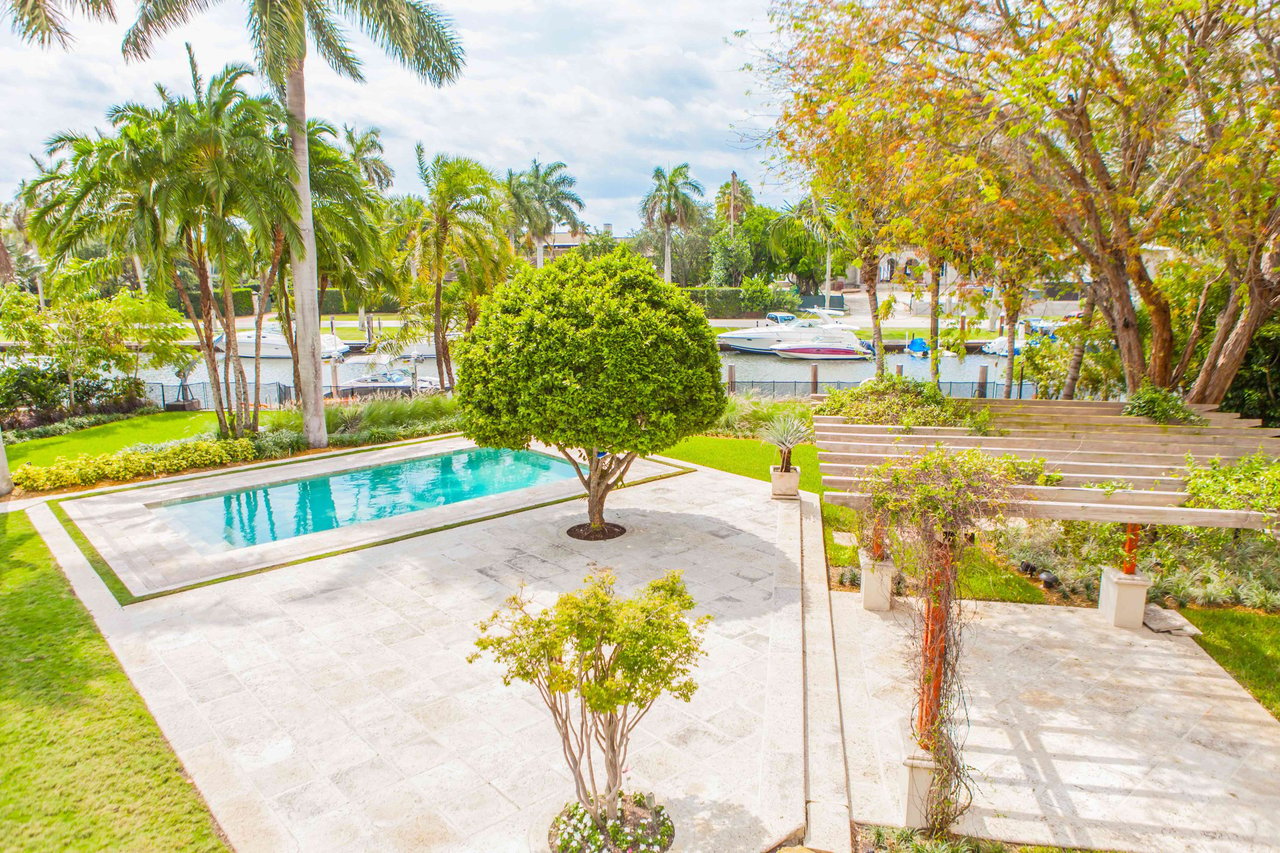
On these islands, the lot often drives value more than the existing structure. Mansion Global reported a Palm Island property with a 1.38-acre double lot and 200 feet of water frontage, framing the opportunity around the parcel rather than the house. That tells you a lot about how serious buyers evaluate waterfront inventory here.
In practical terms, value often comes down to a few land characteristics:
- Water frontage
- Lot depth and width
- Parcel shape
- Bay exposure or canal orientation
- Skyline or open-water views
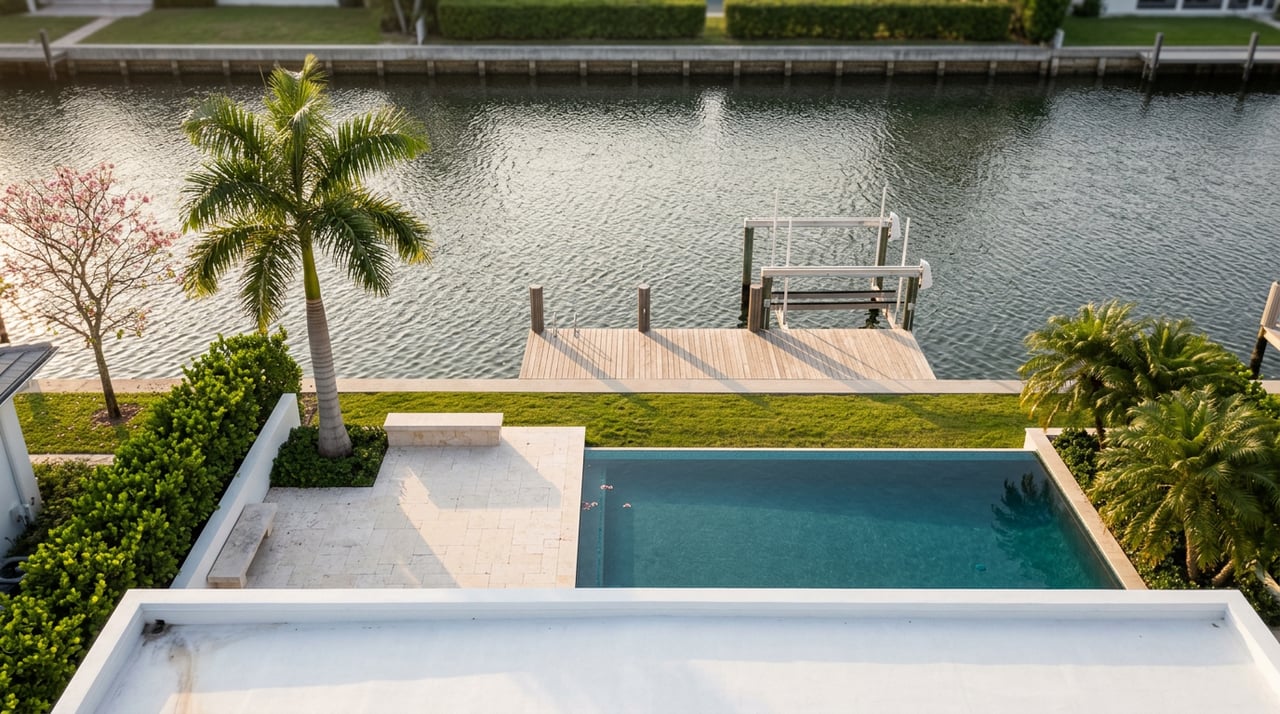
- Potential for dock use
- Opportunity to expand, redevelop, or assemble land
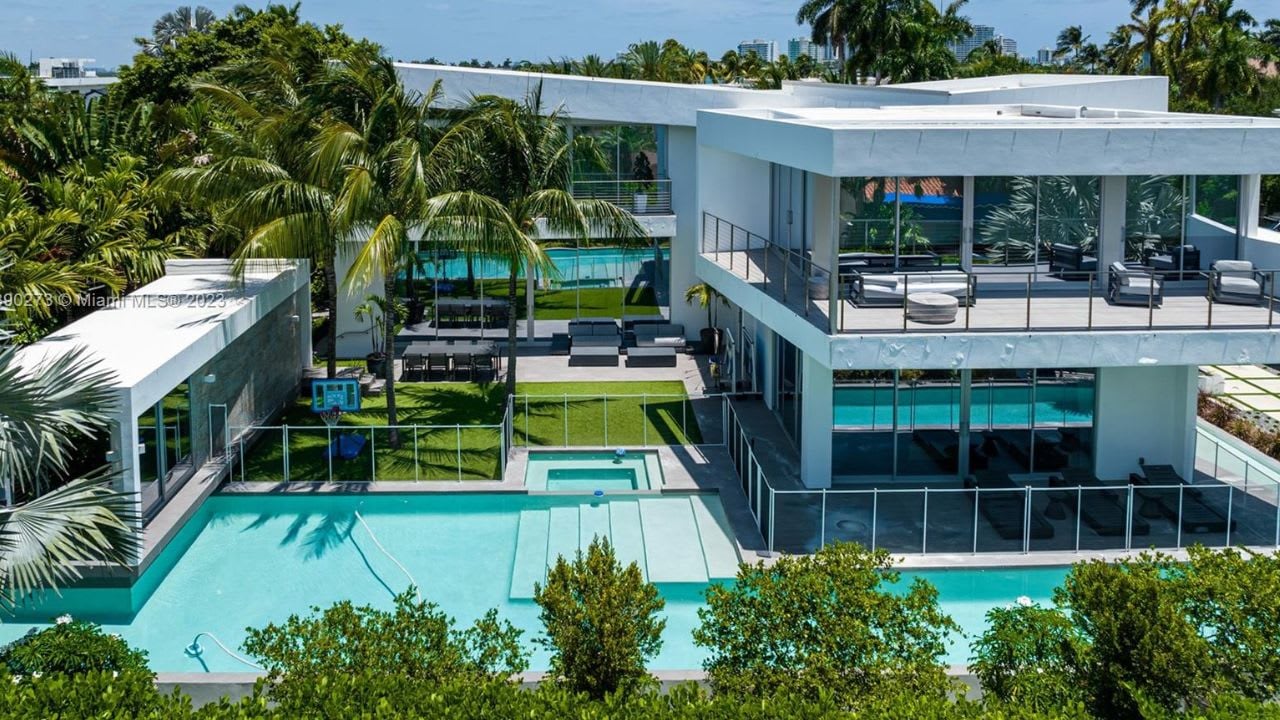
A larger house on a weaker lot does not always win. A dated home on a stronger parcel may carry more long-term appeal if the land offers better frontage, better views, or a more flexible path to future redevelopment.
Why Waterfront Frontage Matters So Much
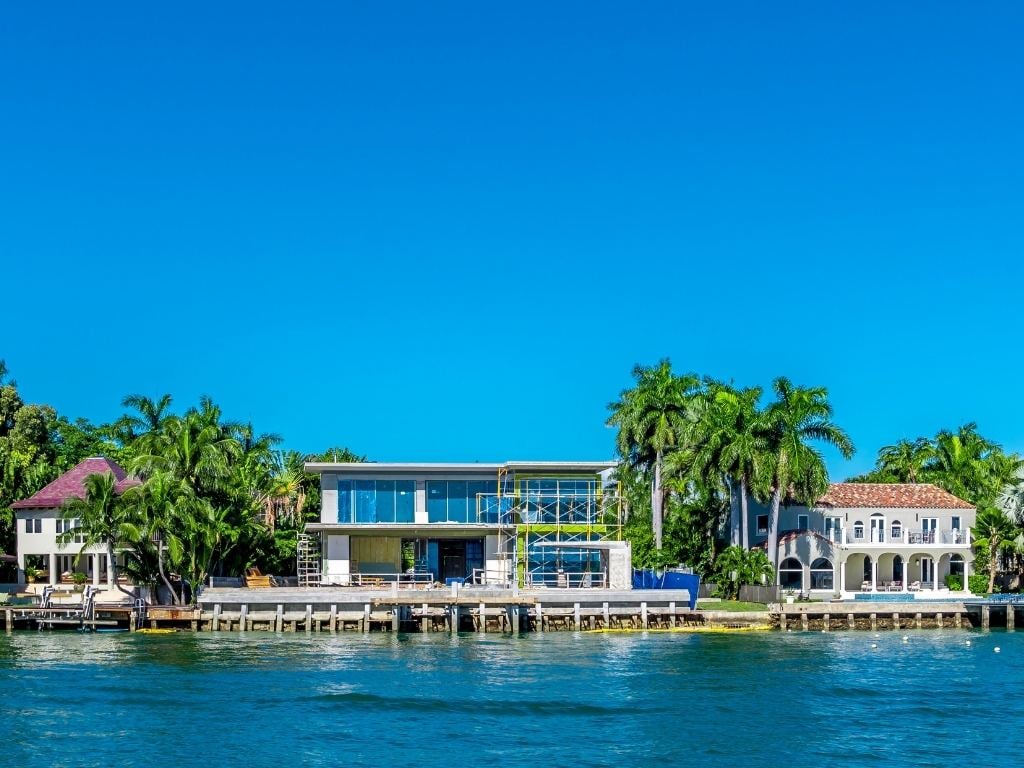
Not all waterfront is equal. Two homes can sit on the water and still trade very differently if one has wider frontage, better orientation, or a more open view corridor. On Hibiscus Island, local sales reporting has shown cases where buyers appeared to place major value on views, with some properties later redeveloped, reinforcing how much the parcel can matter.
This is why buyers on Star, Palm, and Hibiscus often look past finishes first. They want to know what the lot offers in terms of light, privacy, water access, and long-term usability. In many cases, those features outlast any kitchen, flooring, or décor decision.
Dock Potential Can Change Pricing
Usable waterfront is not the same as simply having water behind the home. Miami Beach regulations limit how far docks and similar marine structures may project into waterways, generally to 10 percent of the waterway width, or 15 percent when the waterway is more than 100 feet wide, with an absolute cap of 40 feet in those cases. For residential lots fronting Biscayne Bay or other waterways wider than 1,000 feet, longer projections of up to 125 feet may be allowed, subject to state and county review.
That means two seemingly similar lots can have very different utility. If one parcel can support more practical dockage, lift options, or vessel access, it may command a significant premium over another home with similar square footage but less functional waterfront. For many buyers in this segment, the waterfront experience is part of the core value story.
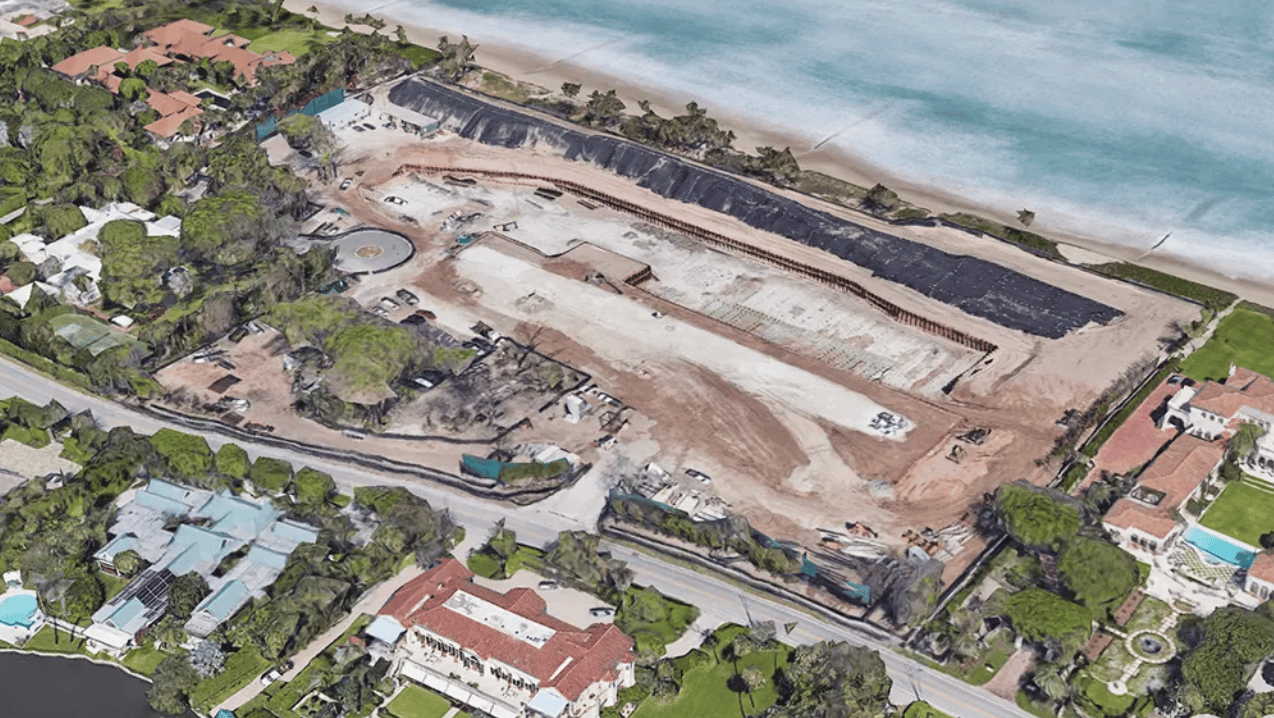
Renovation or Rebuild Starts With the Lot
When you evaluate an older house on these islands, the right question is not always, “How nice is the home today?” A better question is, “What does this lot allow me to do next?” Miami Beach single-family rules make that especially important.
According to the city, in single-family zoning districts the maximum unit size is 50 percent of lot area, and maximum lot coverage is 30 percent for a two-story home. In some cases, a Formal Determination of Architectural Significance can permit a larger envelope, including up to 60 percent unit size and 40 percent lot coverage, along with reduced setbacks.
That framework can materially affect value. An existing home may have worth as a livable residence, but it may also have value as a stepping stone to expansion, repositioning, or replacement. The lot sets the outer limits of that upside.
The FEMA 50 Percent Rule Matters
For major renovations, the cost question can quickly become a compliance question. Miami Beach notes that when cumulative work over a one-year period reaches 50 percent of the property value, the structure must be brought into compliance with new-construction floodplain and building requirements.
In real life, that can shift a project from a straightforward renovation into something much closer to a rebuild in cost, timing, and design scope. For buyers considering a cosmetic update versus a full transformation, this is one of the biggest planning filters. A house that looks like a renovation candidate on paper may function more like a redevelopment opportunity once the rules are applied.
Seawalls and Resilience Affect True Value
On waterfront property, the visible home is only part of the asset. The seawall, drainage context, and resilience profile all influence ownership costs and long-term value. Miami Beach requires new seawalls to be built to a minimum elevation of 5.7 feet NAVD, or 4 feet NAVD if designed for a future 5.7-foot elevation.
The city has also said that about 92 percent of its roughly 53 miles of seawalls are on private property. That matters because seawall replacement is not a simple maintenance item. It can involve approvals from the city, Miami-Dade County, the state, and the U.S. Army Corps of Engineers.
For a buyer or seller, that means seawall condition should never be treated as a side note. A property with deferred seawall work may look similar to a nearby listing in photos, but its capital needs can be very different.
Infrastructure Improvements Support Lot Value
Public infrastructure also plays a role in how these islands are valued. Miami Beach’s Palm and Hibiscus Islands neighborhood improvement project includes drainage improvements, pump stations, road raising, rebuilding, paving, lighting upgrades, concrete valley gutters, and future utility undergrounding on Hibiscus. The city has also prioritized $95 million in resilience projects over the next decade.
Those upgrades matter because they affect day-to-day functionality, flood management, and future ownership planning. Miami Beach has also noted that 93 percent of buildings are in the Special Flood Hazard Area under current FEMA maps. In a market where carrying costs and resilience planning are part of ownership, a parcel supported by stronger surrounding infrastructure may justify a higher valuation than a similar-looking lot without those advantages.
How to Separate Land Value From Home Value
If you want to evaluate one of these properties clearly, separate the land story from the house story. The home may contribute comfort, style, and immediate usability. The lot may contribute frontage, redevelopment potential, dock utility, view protection, and future flexibility.
A useful review usually includes:
- Lot width, depth, and total size
- Linear water frontage
- Waterway width and dock potential
- Seawall condition and elevation
- Current zoning envelope
- Whether renovation could trigger the 50 percent rule
- Whether the existing house adds strategic value or is mainly interim improvement
- County property record comparisons for market, assessed, and taxable value
Miami-Dade Property Appraiser records can help you understand how a property is carried in public records and how it compares with nearby parcels. That does not answer every pricing question, but it gives you a grounded starting point for analyzing how much of a premium may relate to land, improvements, or both.
What Buyers and Sellers Should Keep in Mind
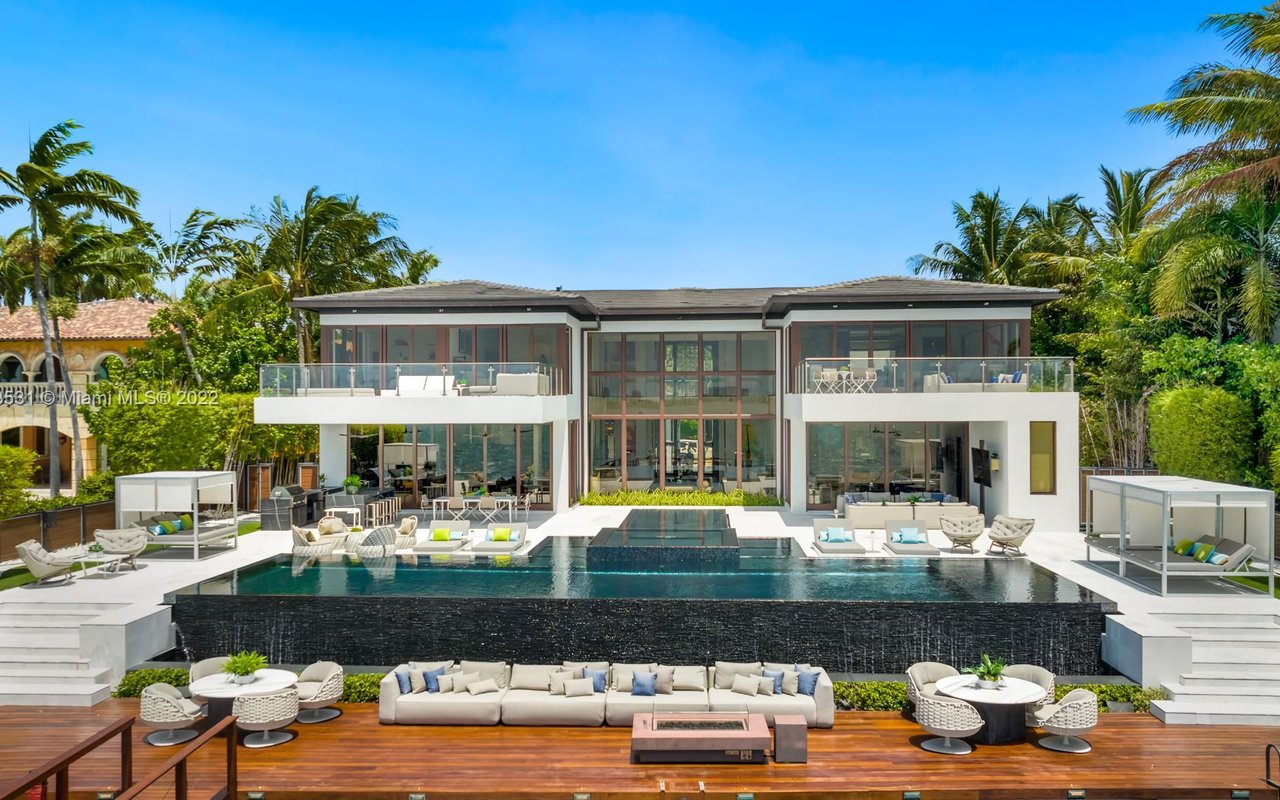
If you are buying on Star, Palm, or Hibiscus, try not to get distracted by finishes alone. A beautiful home on a compromised lot may have less long-term leverage than a less polished property on a superior parcel. In this market, the best asset is not always the most turnkey one.
If you are selling, understanding your property’s lot story can be just as important as presenting the interiors well. Frontage, exposure, dock potential, seawall status, and redevelopment flexibility may be central to how sophisticated buyers underwrite value. Positioning those details correctly can change who responds and how they price the opportunity.
In a market defined by scarcity, privacy, and waterfront control, the parcel often tells the deeper story. The house matters, but the land frequently sets the ceiling.
If you are weighing a purchase, planning a sale, or trying to understand where your property fits in this highly specific segment of Miami Beach, the right guidance starts with a clear view of both the structure and the site. Connect with the APT Team for thoughtful, high-touch guidance on Star, Palm, and Hibiscus Island real estate.
FAQs
How is lot value different from home value on Star, Palm, and Hibiscus Islands?
- Lot value reflects the parcel’s size, frontage, views, dock potential, and redevelopment flexibility, while home value reflects the existing structure’s condition, design, and usability.
Why does waterfront frontage matter so much on Miami Beach islands?
- Waterfront frontage can affect views, privacy, vessel access, dock design, and the overall utility of the property, all of which can materially influence pricing.
What renovation rule should buyers know for Miami Beach single-family homes?
- Miami Beach says that if cumulative work over one year reaches 50 percent of the property value, the structure must be brought into compliance with new-construction floodplain and building requirements.
How do seawalls affect property value on Star, Palm, and Hibiscus?
- Seawall condition and elevation can influence resilience, future capital costs, permitting complexity, and long-term waterfront usability.
What should sellers highlight when marketing a waterfront lot in Miami Beach?
- Sellers should clearly present lot size, water frontage, view orientation, dock potential, seawall status, and any factors that support expansion or redevelopment potential.