By The APT Team
Lighting is one of the most powerful and often overlooked elements of interior design. It shapes how a space feels, how it functions, and how it reflects your lifestyle. At The APT Team, we see firsthand how thoughtful lighting can completely transform a home, whether it is a waterfront condo in Miami Beach, a modern high-rise residence, or a luxury townhome. When used intentionally, lighting does far more than brighten a room. It enhances architecture, creates ambiance, and adds value to your living space.
In this guide, we share practical, design-forward ways to use lighting to elevate your home, enhance daily comfort, and showcase the features that make your space truly special.
Why Lighting Matters More Than You Think
Lighting influences how we experience a home on both a visual and emotional level. A well-lit space feels welcoming, balanced, and purposeful, while poor lighting can make even the most beautifully designed home feel flat or uncomfortable.
Natural light, artificial light, and the way they interact throughout the day all contribute to how a room functions. The goal is not simply brightness, but balance. When lighting is layered correctly, it enhances textures, defines zones, and supports how you live in each space.
For homeowners and buyers alike, lighting also plays a major role in perceived value. Homes with thoughtful lighting design photograph better, feel more luxurious, and create a lasting impression.
Natural light, artificial light, and the way they interact throughout the day all contribute to how a room functions. The goal is not simply brightness, but balance. When lighting is layered correctly, it enhances textures, defines zones, and supports how you live in each space.
For homeowners and buyers alike, lighting also plays a major role in perceived value. Homes with thoughtful lighting design photograph better, feel more luxurious, and create a lasting impression.
Understanding the Three Layers of Lighting
To truly transform a living space, lighting should be layered. Each layer serves a distinct purpose, and together they create depth and flexibility.
Ambient Lighting Sets the Foundation
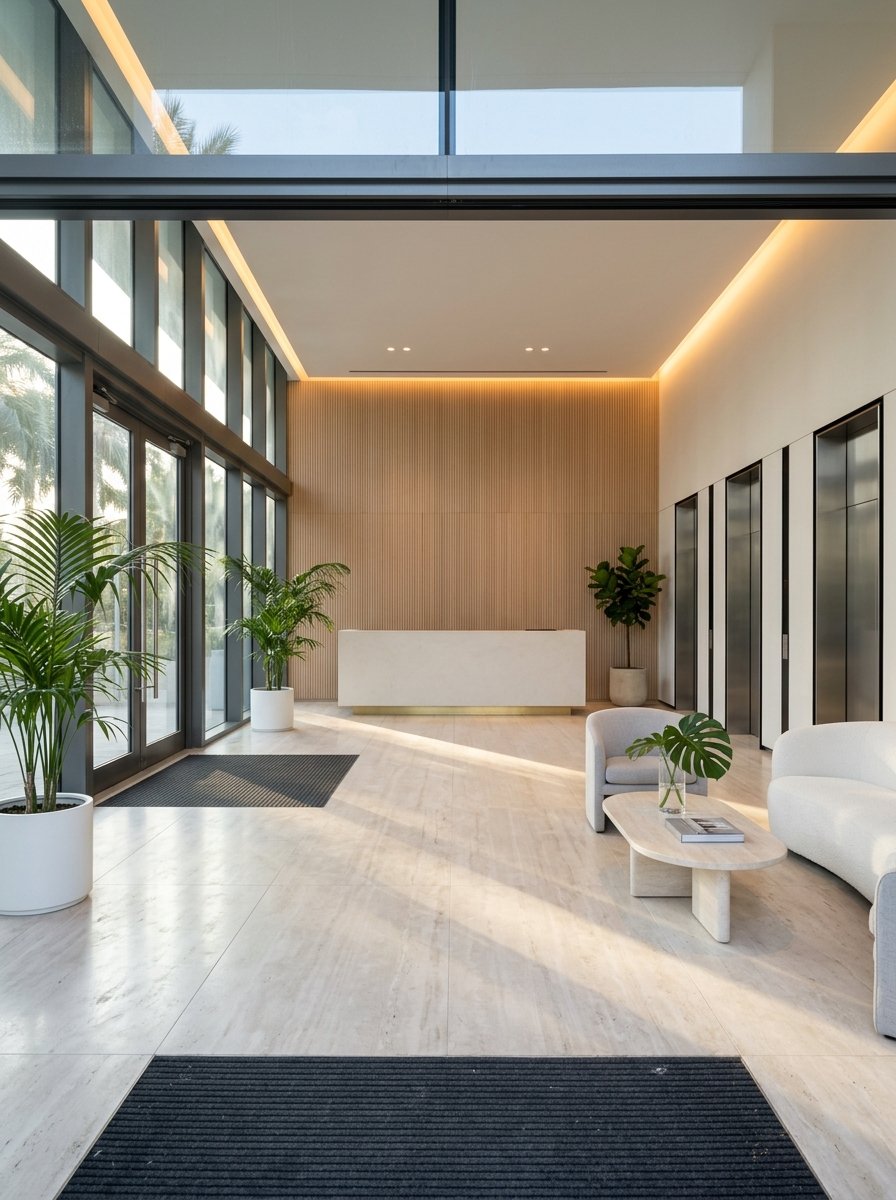
Ambient lighting provides overall illumination and establishes the base level of light in a room. This typically comes from ceiling fixtures, recessed lights, or well-placed track lighting.
In open-concept living areas, ambient lighting ensures the space feels cohesive rather than fragmented. Soft, evenly distributed light prevents harsh shadows and creates a comfortable environment for daily living.
In Miami Beach homes, where architectural lines and ceiling heights often vary, ambient lighting should complement the structure rather than overpower it. Dimmable options are especially valuable, allowing you to shift from daytime brightness to evening ambiance with ease.
In open-concept living areas, ambient lighting ensures the space feels cohesive rather than fragmented. Soft, evenly distributed light prevents harsh shadows and creates a comfortable environment for daily living.
In Miami Beach homes, where architectural lines and ceiling heights often vary, ambient lighting should complement the structure rather than overpower it. Dimmable options are especially valuable, allowing you to shift from daytime brightness to evening ambiance with ease.
Task Lighting Supports How You Live
Task lighting is focused, functional light designed to support specific activities. Think reading, cooking, working, or getting ready in the morning.
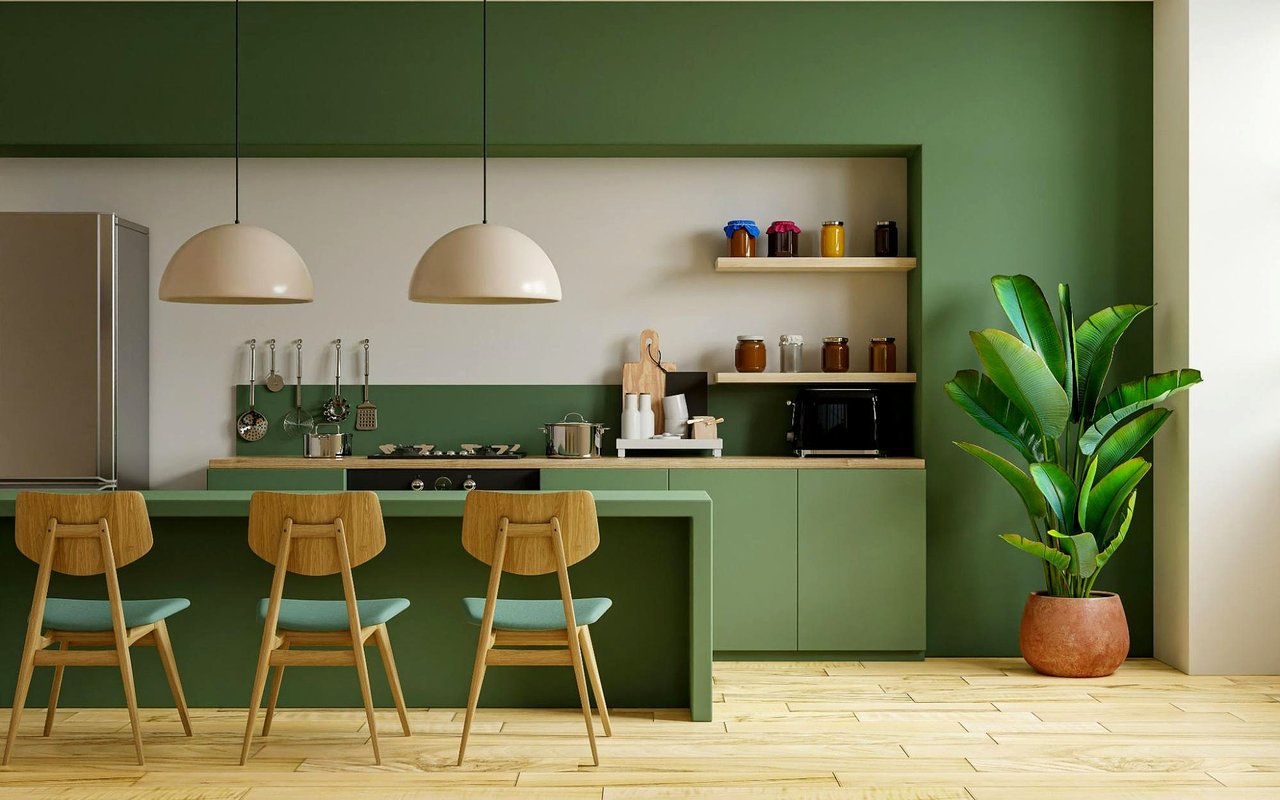
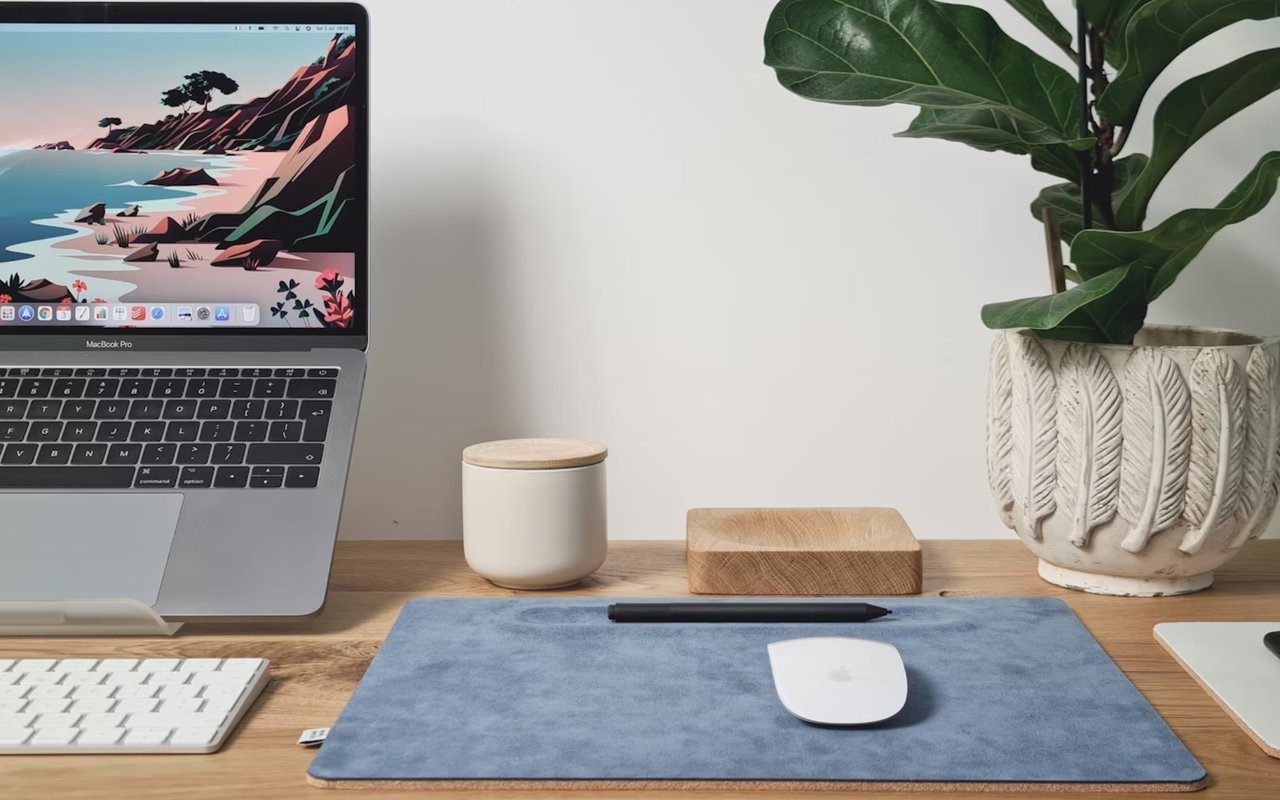
In kitchens, under-cabinet lighting improves visibility while adding a clean, modern look. In home offices or reading nooks, adjustable lamps provide targeted light without eye strain. In bathrooms, vertical lighting near mirrors offers more flattering illumination than overhead fixtures alone.
Task lighting is essential for functionality, but when chosen thoughtfully, it also becomes part of the design. Sleek fixtures, sculptural lamps, and integrated lighting solutions add character while serving a purpose.
In kitchens, under-cabinet lighting improves visibility while adding a clean, modern look. In home offices or reading nooks, adjustable lamps provide targeted light without eye strain. In bathrooms, vertical lighting near mirrors offers more flattering illumination than overhead fixtures alone.
Task lighting is essential for functionality, but when chosen thoughtfully, it also becomes part of the design. Sleek fixtures, sculptural lamps, and integrated lighting solutions add character while serving a purpose.
Accent Lighting Adds Drama and Dimension
Accent lighting is where design truly comes to life. This layer highlights architectural features, artwork, textures, and focal points within a room.
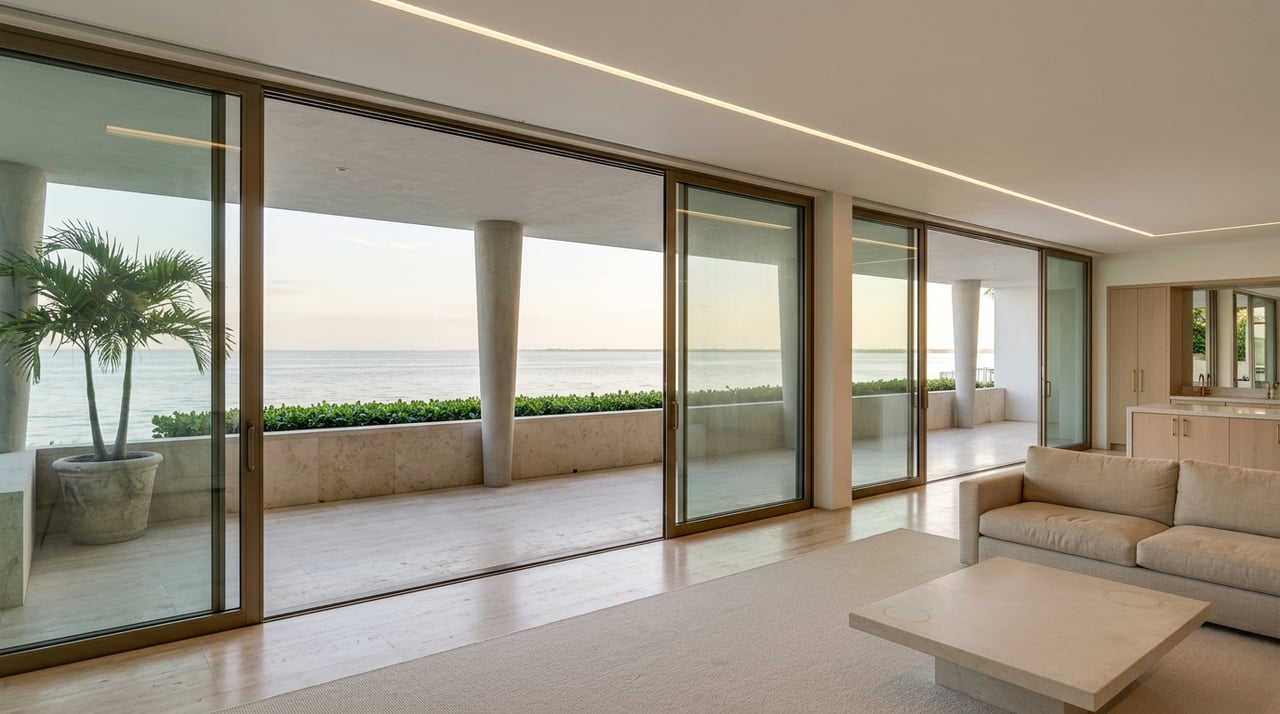
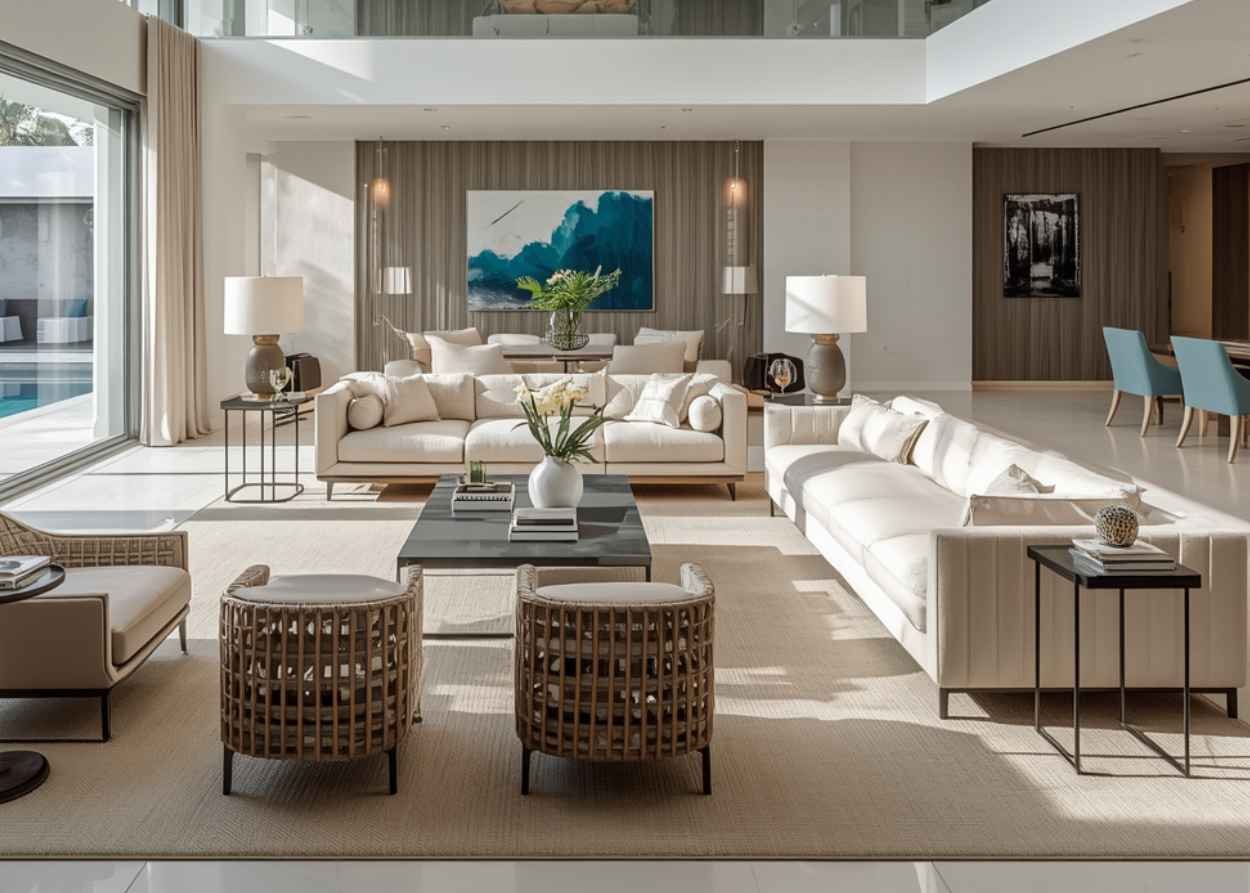
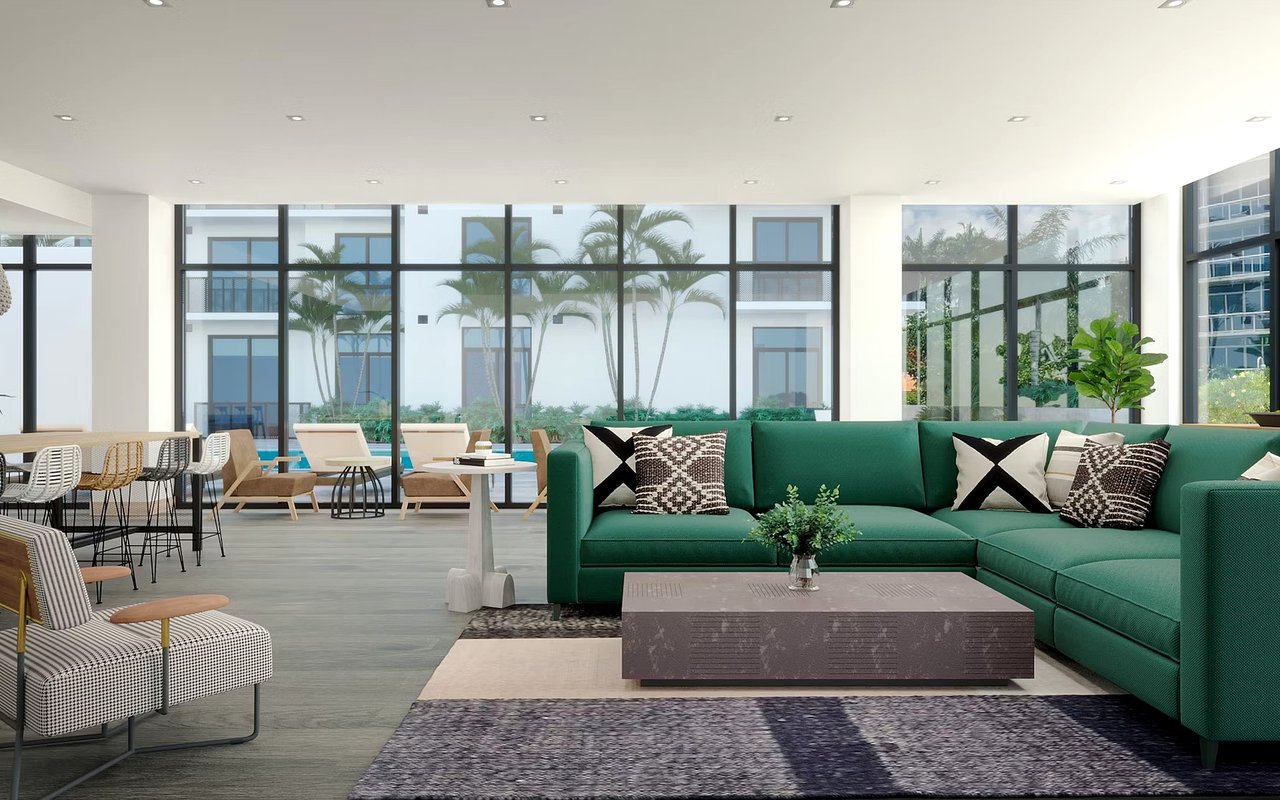
Wall sconces, picture lights, LED strips, and spotlights can draw attention to statement walls, built-in shelving, or curated art collections. In waterfront properties, accent lighting can emphasize floor-to-ceiling windows or reflect off textured surfaces to enhance depth.
Accent lighting creates contrast, which is essential for a visually interesting space. It turns lighting into an experience rather than a utility.
Wall sconces, picture lights, LED strips, and spotlights can draw attention to statement walls, built-in shelving, or curated art collections. In waterfront properties, accent lighting can emphasize floor-to-ceiling windows or reflect off textured surfaces to enhance depth.
Accent lighting creates contrast, which is essential for a visually interesting space. It turns lighting into an experience rather than a utility.
Using Lighting to Define Different Spaces
In modern homes, especially open layouts, lighting plays a crucial role in defining zones without the need for walls.
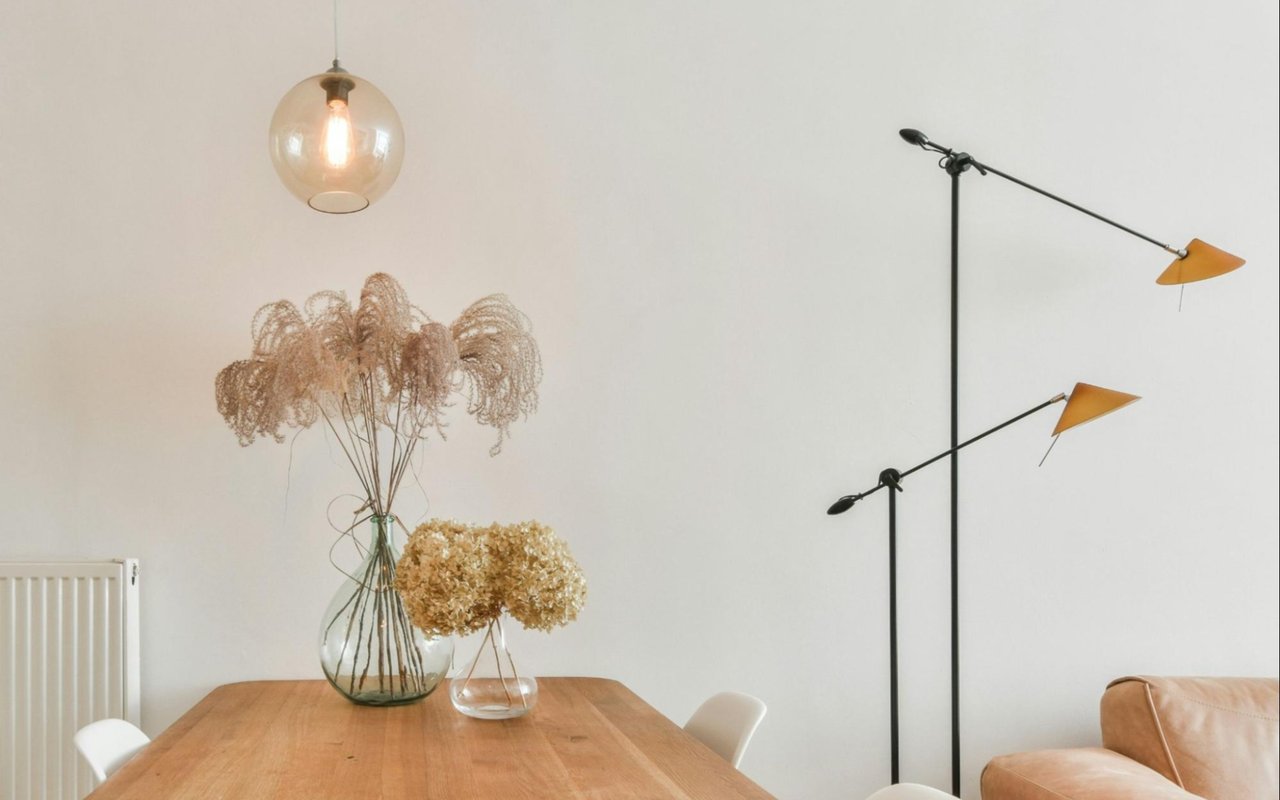
A pendant light over a dining table anchors the eating area, while recessed lighting guides traffic flow through living spaces. Floor lamps and table lamps create intimate pockets of light that invite relaxation.
By varying fixture styles and light intensity, you can subtly separate areas for entertaining, working, and unwinding, all within the same open environment.
A pendant light over a dining table anchors the eating area, while recessed lighting guides traffic flow through living spaces. Floor lamps and table lamps create intimate pockets of light that invite relaxation.
By varying fixture styles and light intensity, you can subtly separate areas for entertaining, working, and unwinding, all within the same open environment.
Choosing the Right Light Temperature
Light temperature has a profound impact on how a room feels. Warm light creates a cozy, inviting atmosphere, while cooler light feels crisp and energizing.
Living rooms, bedrooms, and dining areas benefit from warm to soft white lighting that encourages comfort and conversation. Kitchens, bathrooms, and workspaces often perform best with neutral or slightly cooler tones that enhance clarity and focus.
Consistency matters. Mixing drastically different temperatures in the same space can feel disjointed. Choosing complementary tones ensures a smooth visual flow throughout the home.
Living rooms, bedrooms, and dining areas benefit from warm to soft white lighting that encourages comfort and conversation. Kitchens, bathrooms, and workspaces often perform best with neutral or slightly cooler tones that enhance clarity and focus.
Consistency matters. Mixing drastically different temperatures in the same space can feel disjointed. Choosing complementary tones ensures a smooth visual flow throughout the home.
Maximizing Natural Light
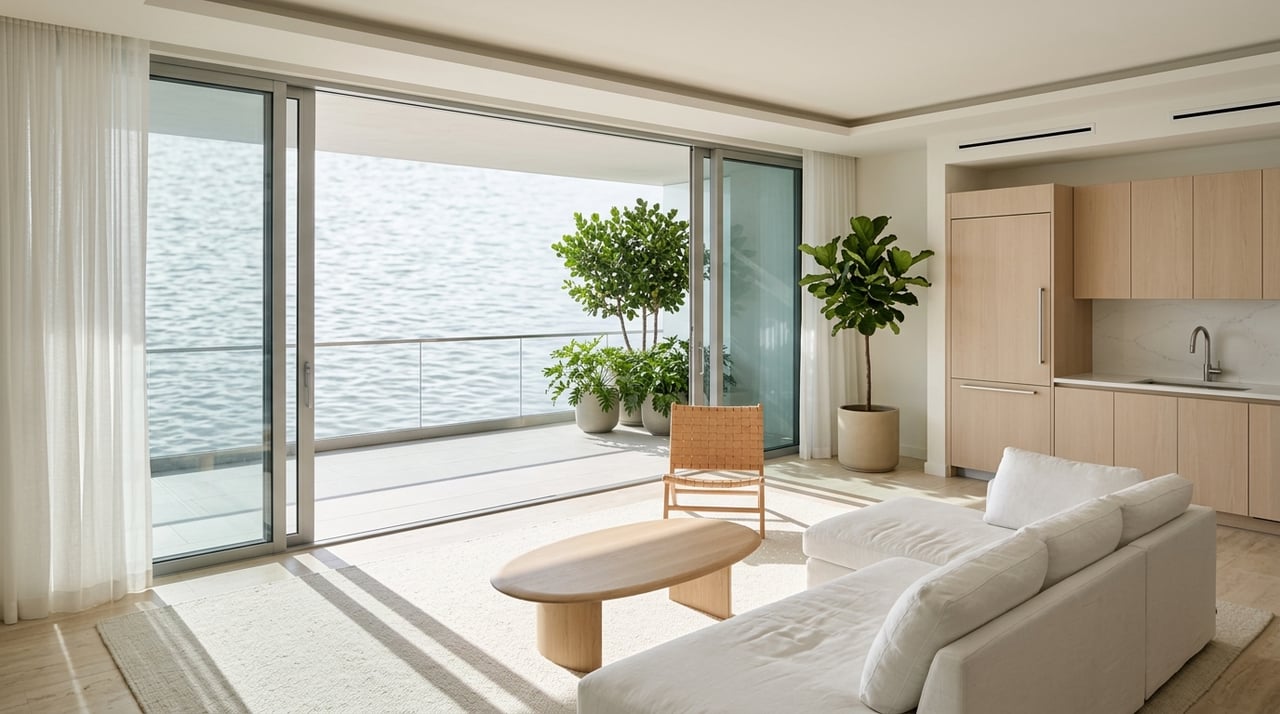
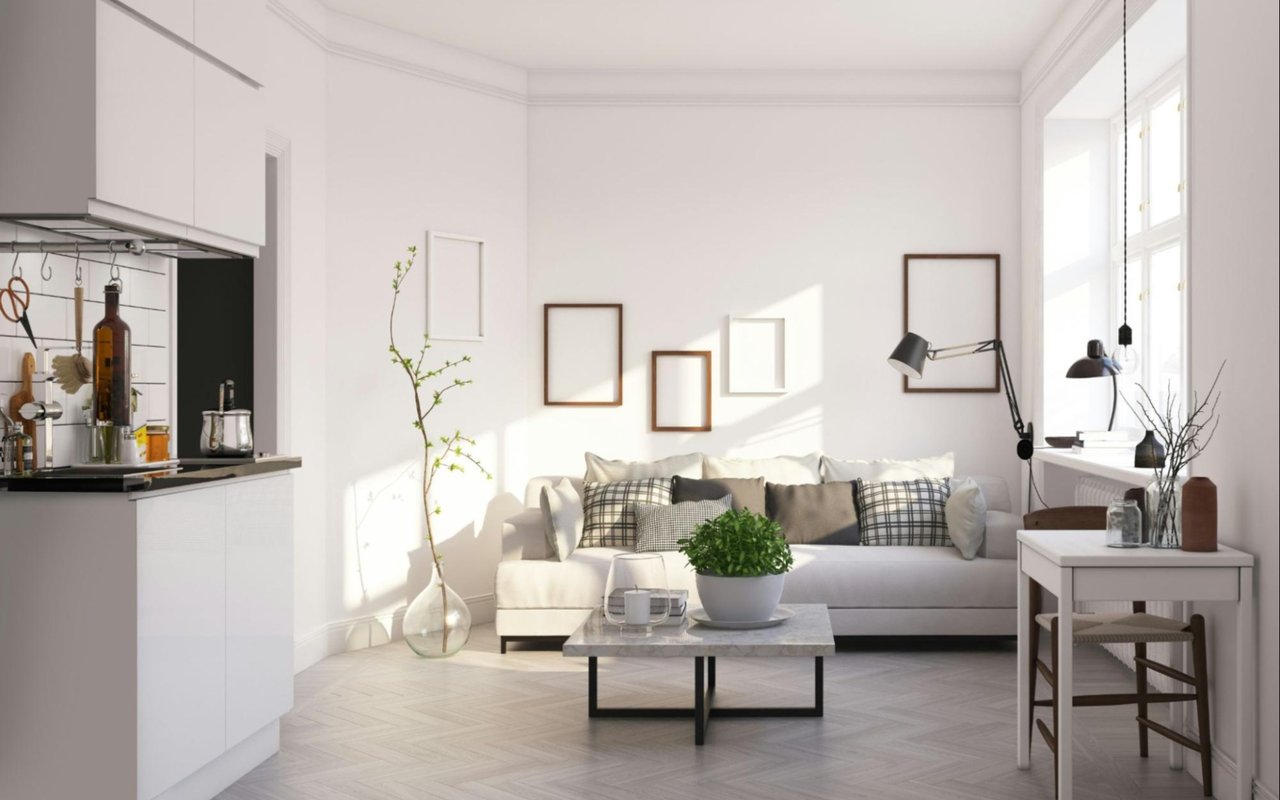
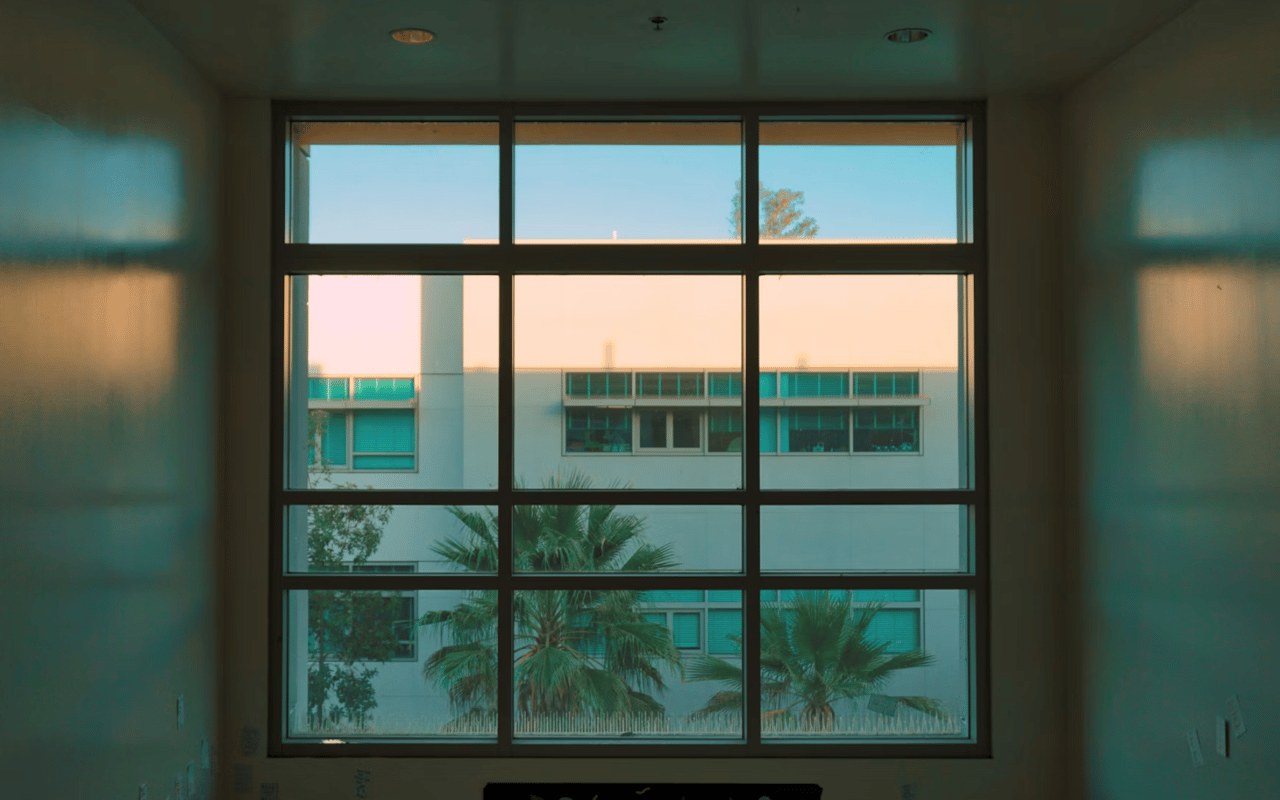
Natural light is one of the most desirable features in any home, especially in sun-soaked markets like South Florida. Maximizing it starts with thoughtful window treatments and reflective surfaces.
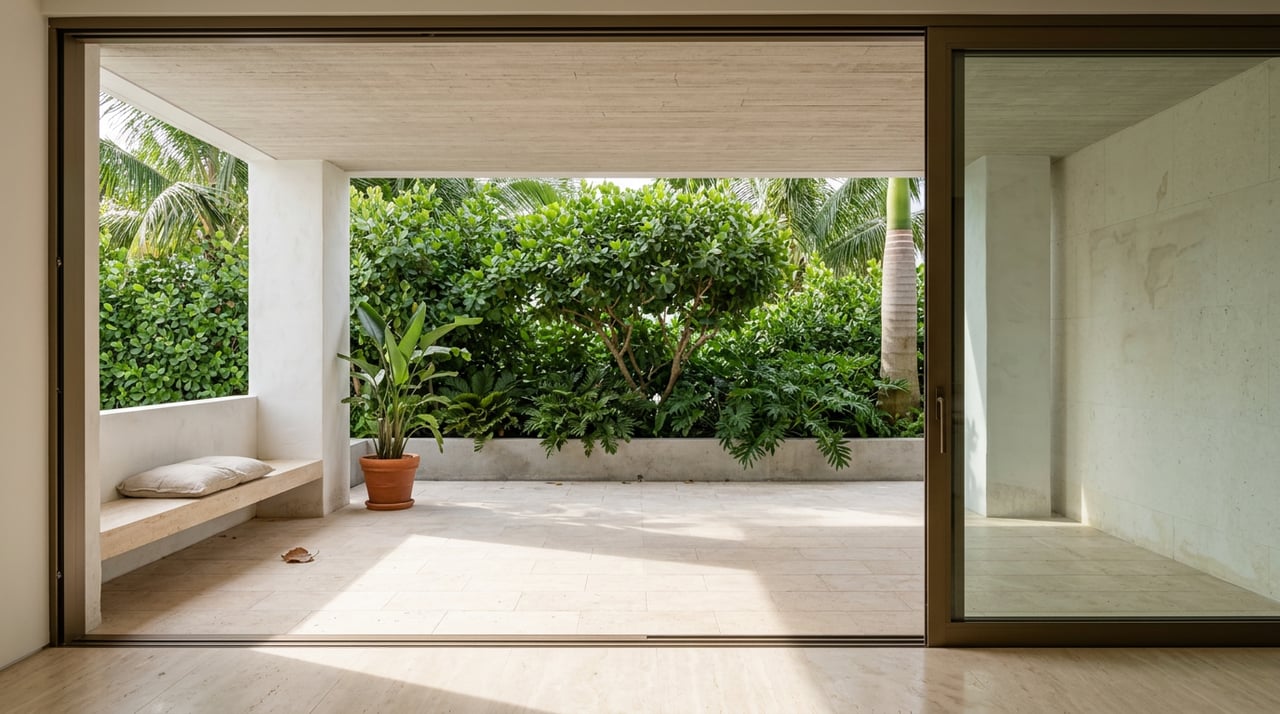
Sheer curtains allow light to filter in while maintaining privacy. Mirrors placed strategically can amplify daylight and make rooms feel larger. Light-colored walls and finishes reflect natural light more effectively than darker tones.
When natural light is treated as part of the overall lighting plan, it enhances the home throughout the day and reduces reliance on artificial lighting.
Sheer curtains allow light to filter in while maintaining privacy. Mirrors placed strategically can amplify daylight and make rooms feel larger. Light-colored walls and finishes reflect natural light more effectively than darker tones.
When natural light is treated as part of the overall lighting plan, it enhances the home throughout the day and reduces reliance on artificial lighting.
Smart Lighting for Modern Living
Smart lighting systems offer flexibility and convenience that align perfectly with today’s lifestyles. With programmable scenes, voice control, and mobile access, lighting can adapt instantly to different moments.
Morning routines, entertaining evenings, and quiet nights can all have distinct lighting moods at the touch of a button. Smart lighting also improves energy efficiency and adds a layer of modern luxury that many buyers appreciate.
For homeowners considering resale in the future, smart lighting is an investment that enhances both comfort and market appeal.
Morning routines, entertaining evenings, and quiet nights can all have distinct lighting moods at the touch of a button. Smart lighting also improves energy efficiency and adds a layer of modern luxury that many buyers appreciate.
For homeowners considering resale in the future, smart lighting is an investment that enhances both comfort and market appeal.
Common Lighting Mistakes to Avoid
One of the most common mistakes we see is relying on a single overhead light to illuminate an entire room. This creates flat, uninviting spaces with harsh shadows.
Another issue is ignoring scale. Fixtures that are too small can feel insignificant, while oversized fixtures can overwhelm a room. Proportion matters, especially in spaces with high ceilings or expansive layouts.
Finally, forgetting dimmers limits flexibility. Dimmers are one of the simplest upgrades with the biggest impact, allowing lighting to evolve throughout the day.
Another issue is ignoring scale. Fixtures that are too small can feel insignificant, while oversized fixtures can overwhelm a room. Proportion matters, especially in spaces with high ceilings or expansive layouts.
Finally, forgetting dimmers limits flexibility. Dimmers are one of the simplest upgrades with the biggest impact, allowing lighting to evolve throughout the day.
Lighting as a Value-Enhancing Feature
From a real estate perspective, lighting is a subtle but powerful differentiator. Well-lit homes feel more spacious, more polished, and more thoughtfully designed. They photograph beautifully and leave a strong emotional impression during showings.
At The APT Team, we often advise sellers to update lighting before listing, as it is one of the most cost-effective ways to elevate a property. For buyers, lighting potential is something we always consider when evaluating a space.
At The APT Team, we often advise sellers to update lighting before listing, as it is one of the most cost-effective ways to elevate a property. For buyers, lighting potential is something we always consider when evaluating a space.
Frequently Asked Questions
How many light sources should a room have?
Most rooms benefit from at least three sources of light, combining ambient, task, and accent lighting for balance and flexibility.
Are LED lights worth it?
Yes. LED lighting is energy-efficient, long-lasting, and available in a wide range of styles and temperatures, making it ideal for both design and sustainability.
Can lighting make a small space feel larger?
Absolutely. Layered lighting, lighter temperatures, and strategic placement can visually expand a room and reduce shadows that make spaces feel tight.
Is professional lighting design necessary?
While not always required, professional guidance can be extremely helpful for larger homes, renovations, or those seeking a high-end, cohesive look.
Let Your Home Shine
Lighting has the power to completely transform how your home looks and feels. When designed with intention, it enhances daily life, highlights architectural beauty, and elevates the overall living experience.
At The APT Team, we believe great homes are not just about location, but about how a space supports your lifestyle. Whether you are preparing to sell, searching for your next home, or simply looking to enhance the one you love, thoughtful lighting makes all the difference.
To learn more about living beautifully and buying smart in South Florida, connect with The APT Team. We are here to help you see your home in the best possible light.
Recommended reading: Luxury Upgrades for Your Miami Beach Property
At The APT Team, we believe great homes are not just about location, but about how a space supports your lifestyle. Whether you are preparing to sell, searching for your next home, or simply looking to enhance the one you love, thoughtful lighting makes all the difference.
To learn more about living beautifully and buying smart in South Florida, connect with The APT Team. We are here to help you see your home in the best possible light.
Recommended reading: Luxury Upgrades for Your Miami Beach Property