If you have not looked closely at Edgewater in a few years, you may be surprised by how much has changed. What was once known for a more modest condo corridor is now part of Miami’s fast-evolving bayfront core, with taller towers, major public-space upgrades, and significant resilience work reshaping the district. If you are thinking about buying, selling, or simply tracking where Miami’s waterfront is headed, Edgewater offers an important case study. Let’s dive in.
Edgewater’s Role in Miami
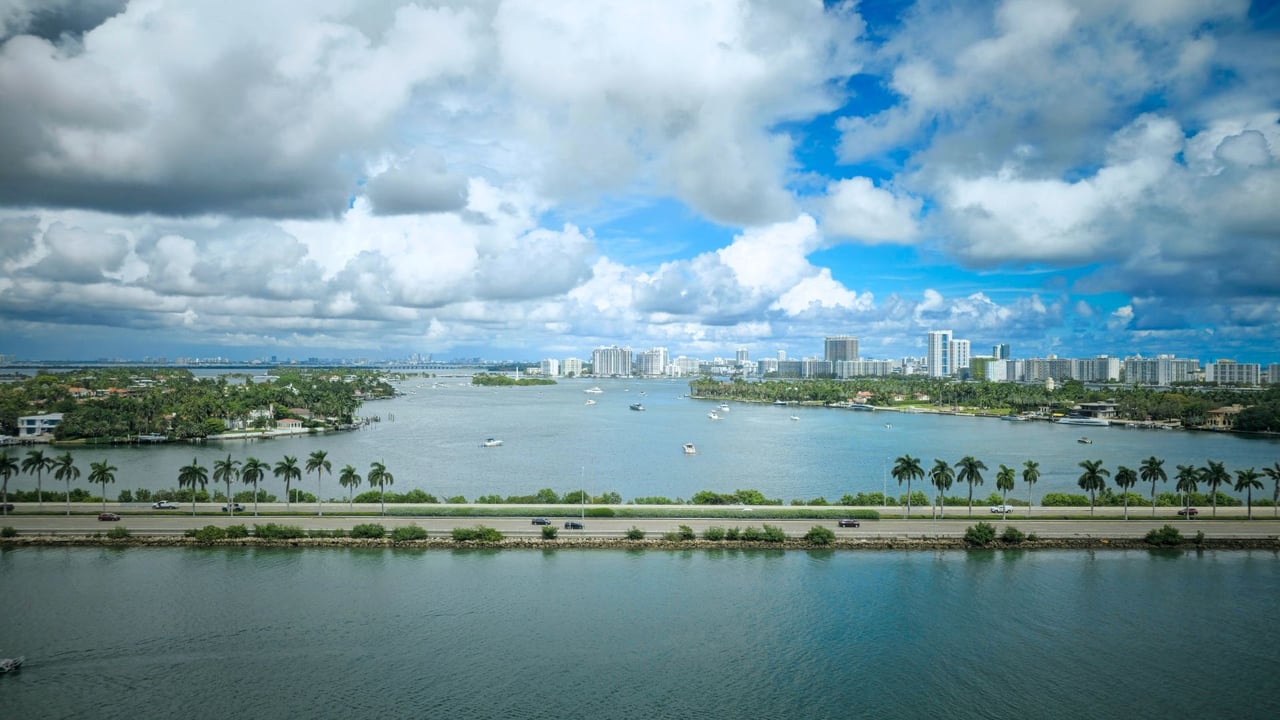
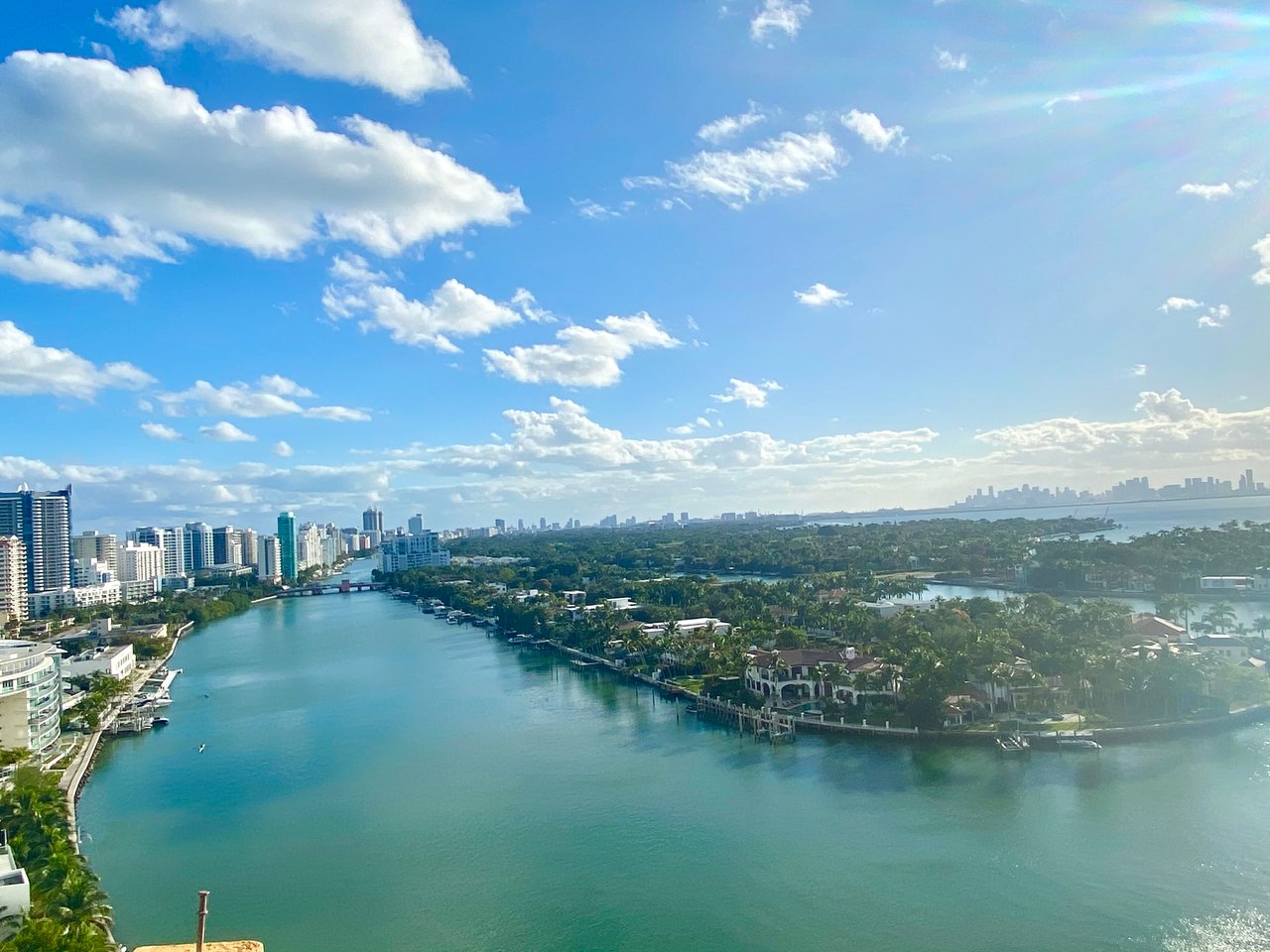
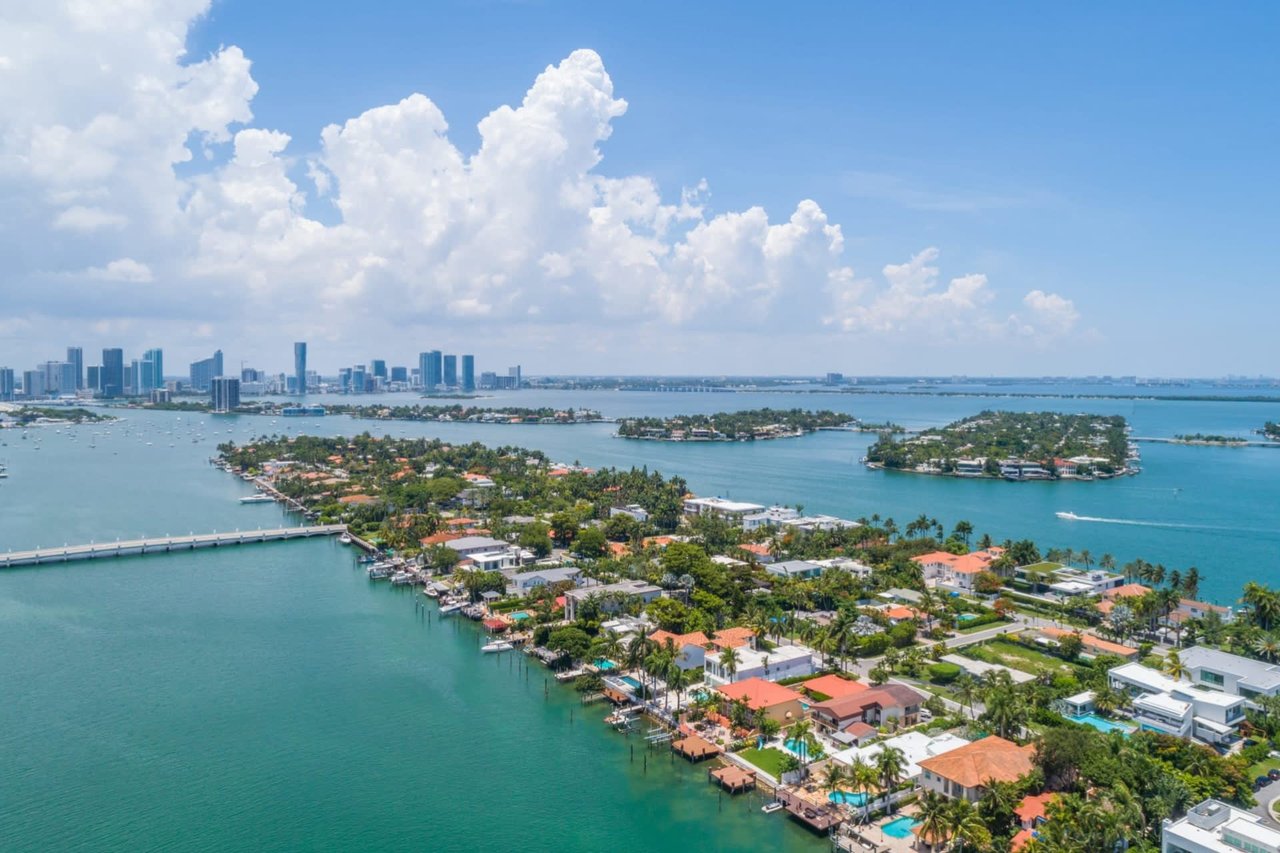
Edgewater is not a detached pocket on the water. The City of Miami treats it as a named neighborhood and places it within the broader central bayfront corridor, east of Biscayne Boulevard along Biscayne Bay. That matters because the area is increasingly understood as part of the same connected urban story as Downtown, Midtown, Wynwood, and the Design District.
That connectivity helps explain why Edgewater has become more prominent in real estate conversations. The City’s Biscayne trolley route links key points along the corridor, including Downtown Miami, Brickell, Bayfront Park, Maurice Ferre Park, and destinations near Midtown and the Design District. For you as a buyer or seller, that means Edgewater’s appeal is tied not only to waterfront views, but also to access and convenience.
Skyline Growth in Edgewater
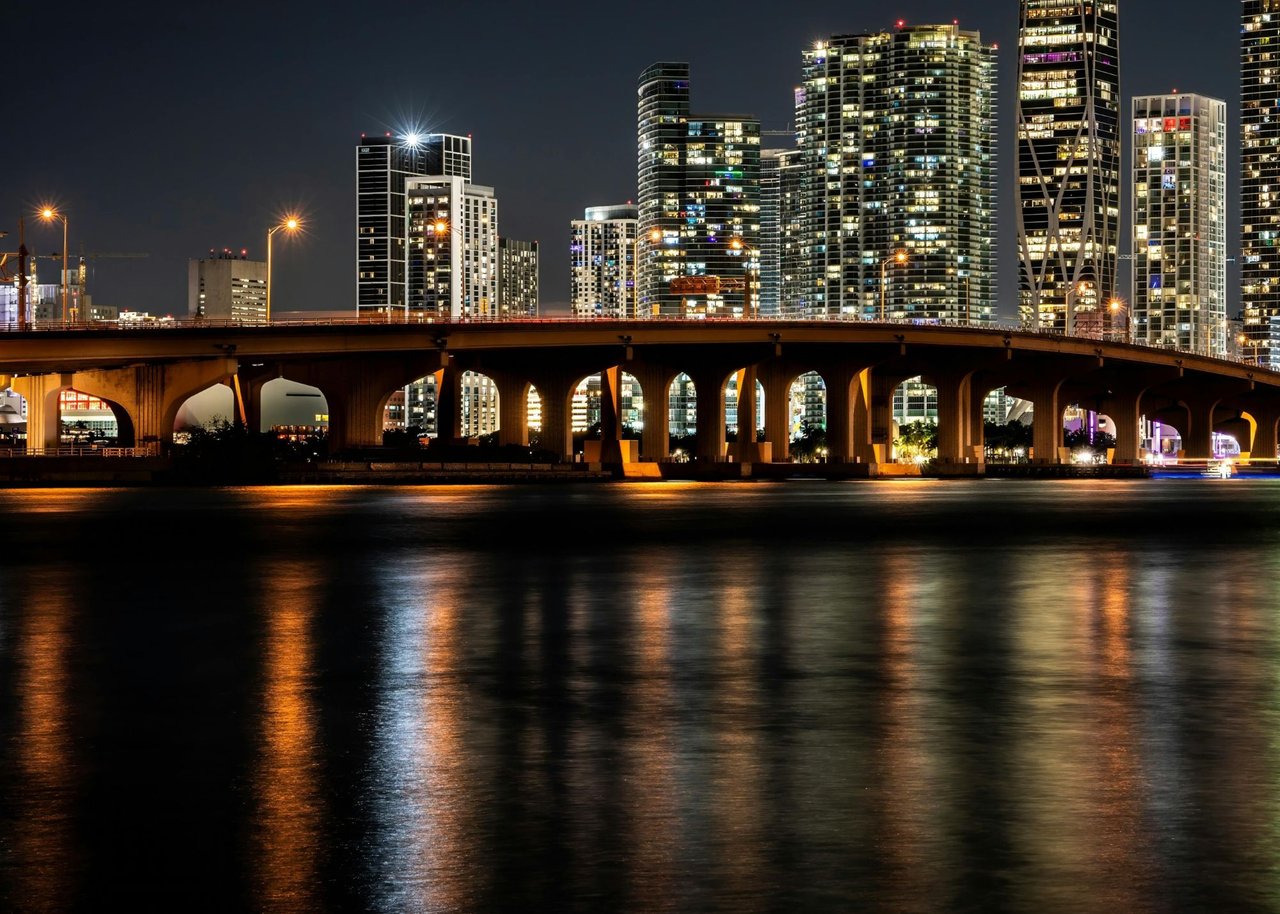
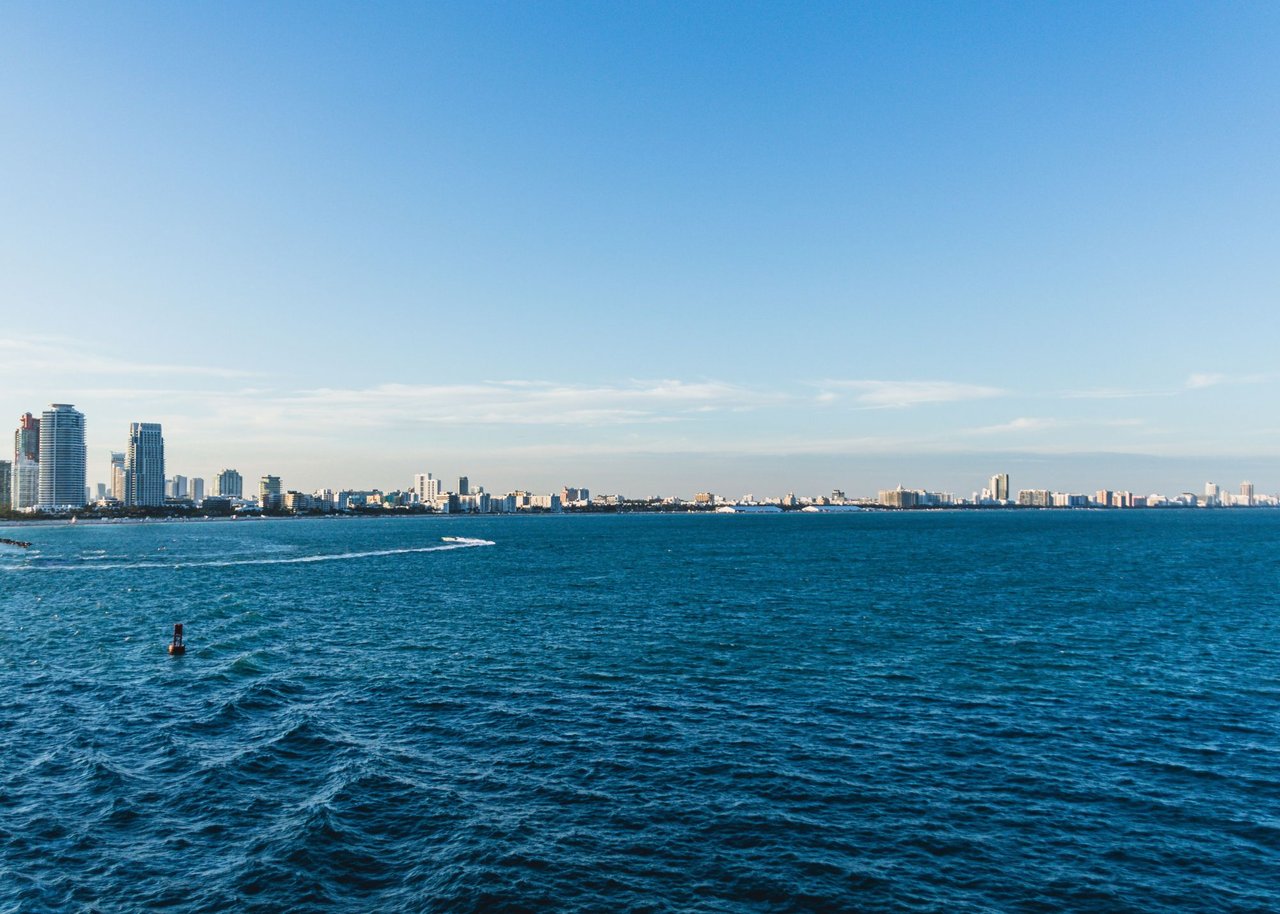
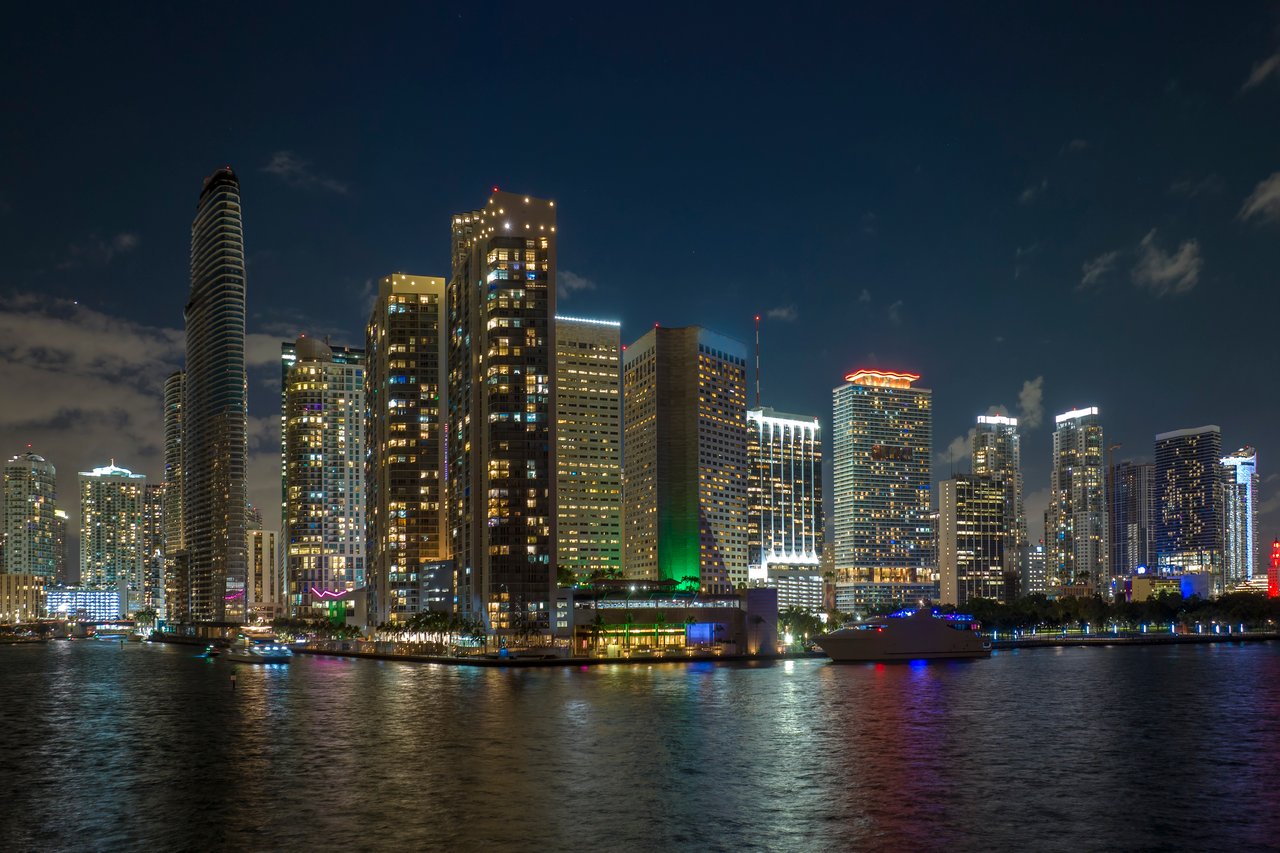
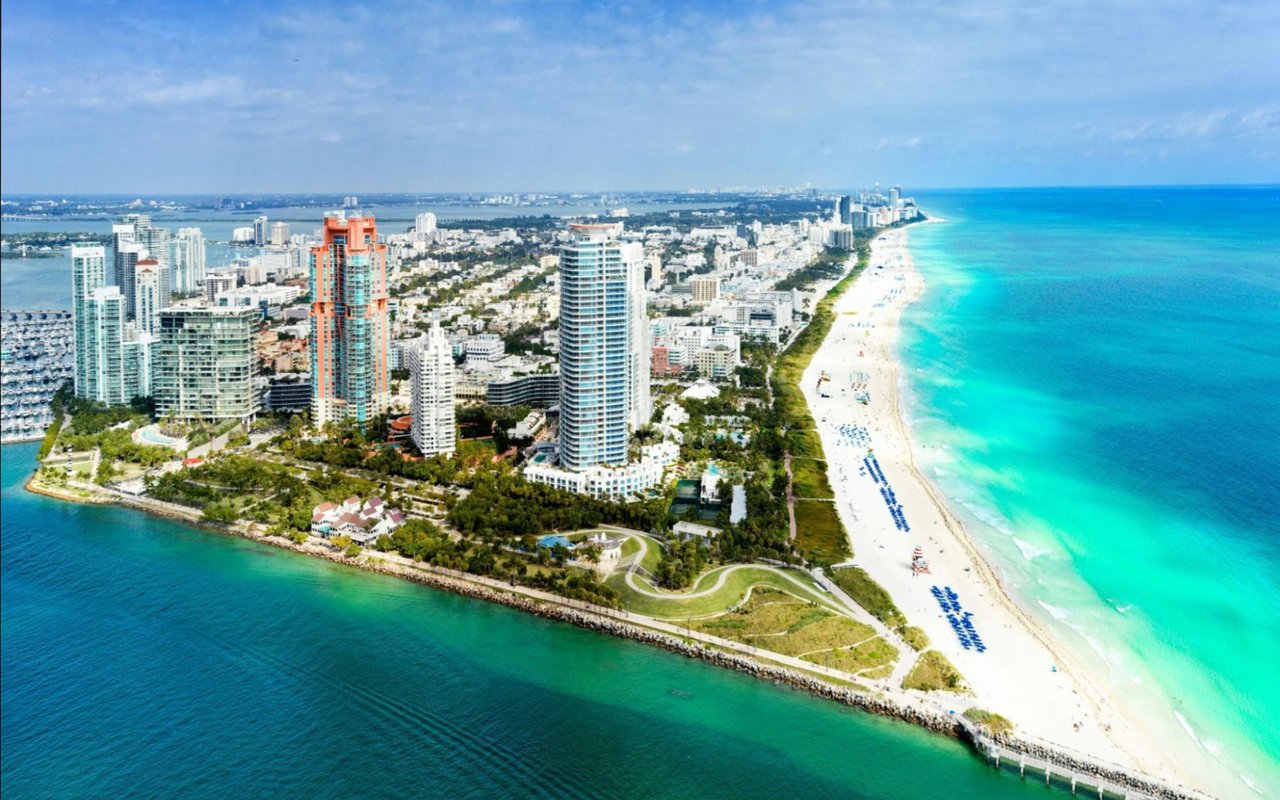
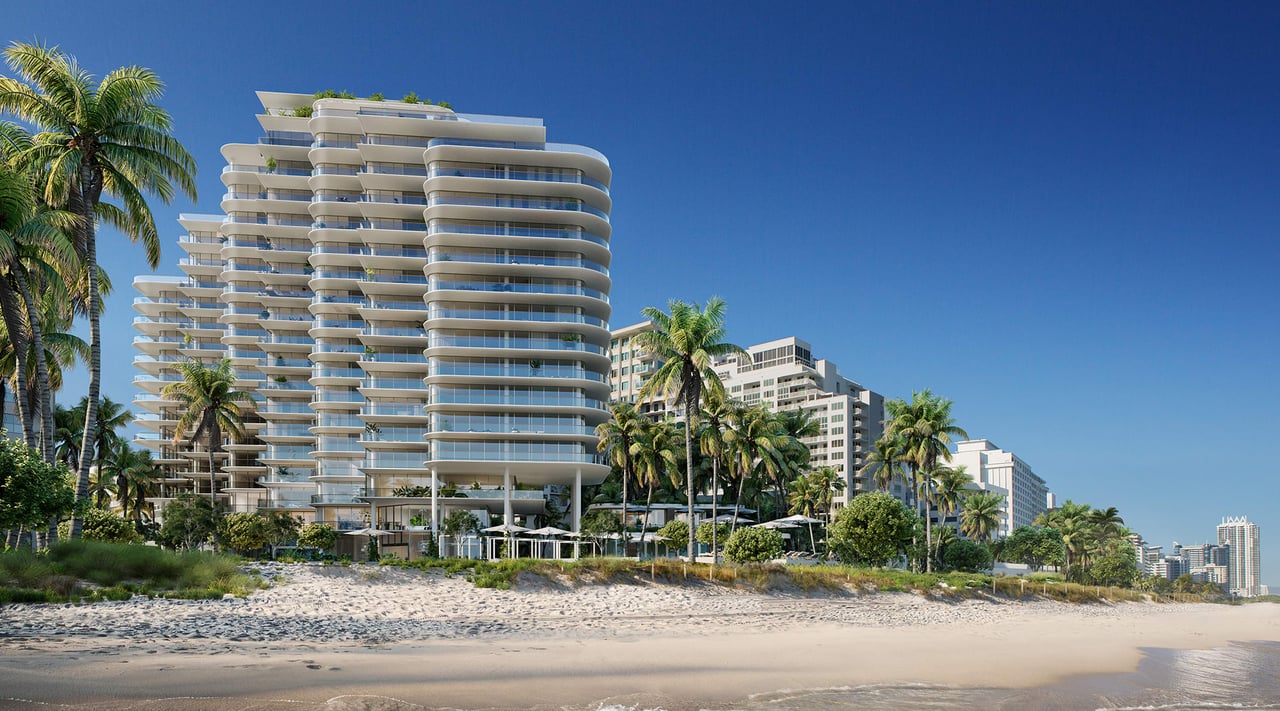
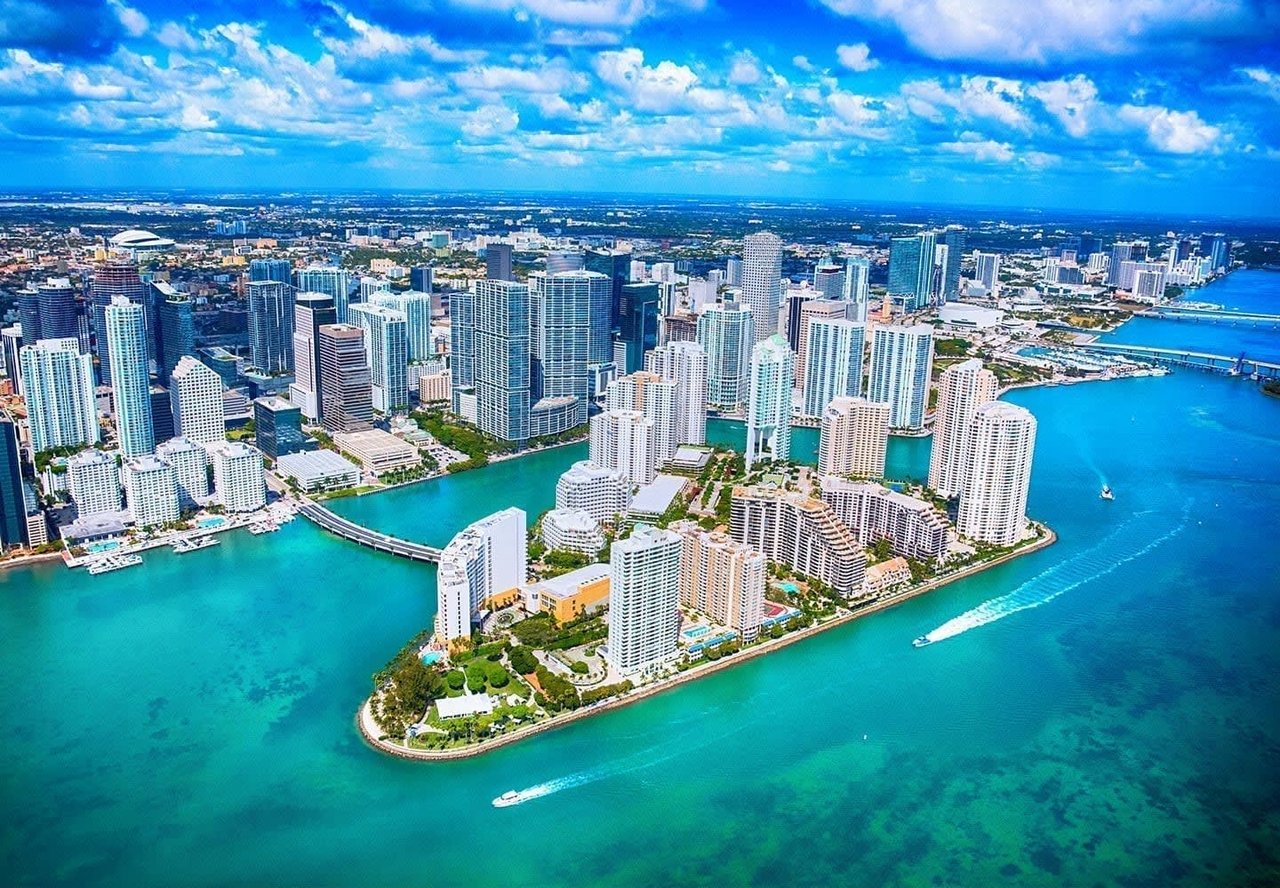
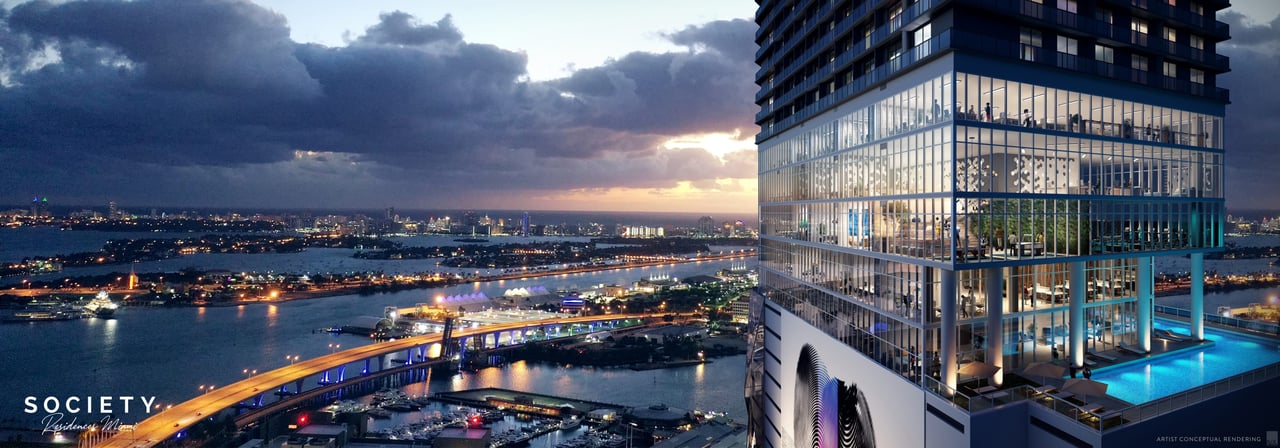
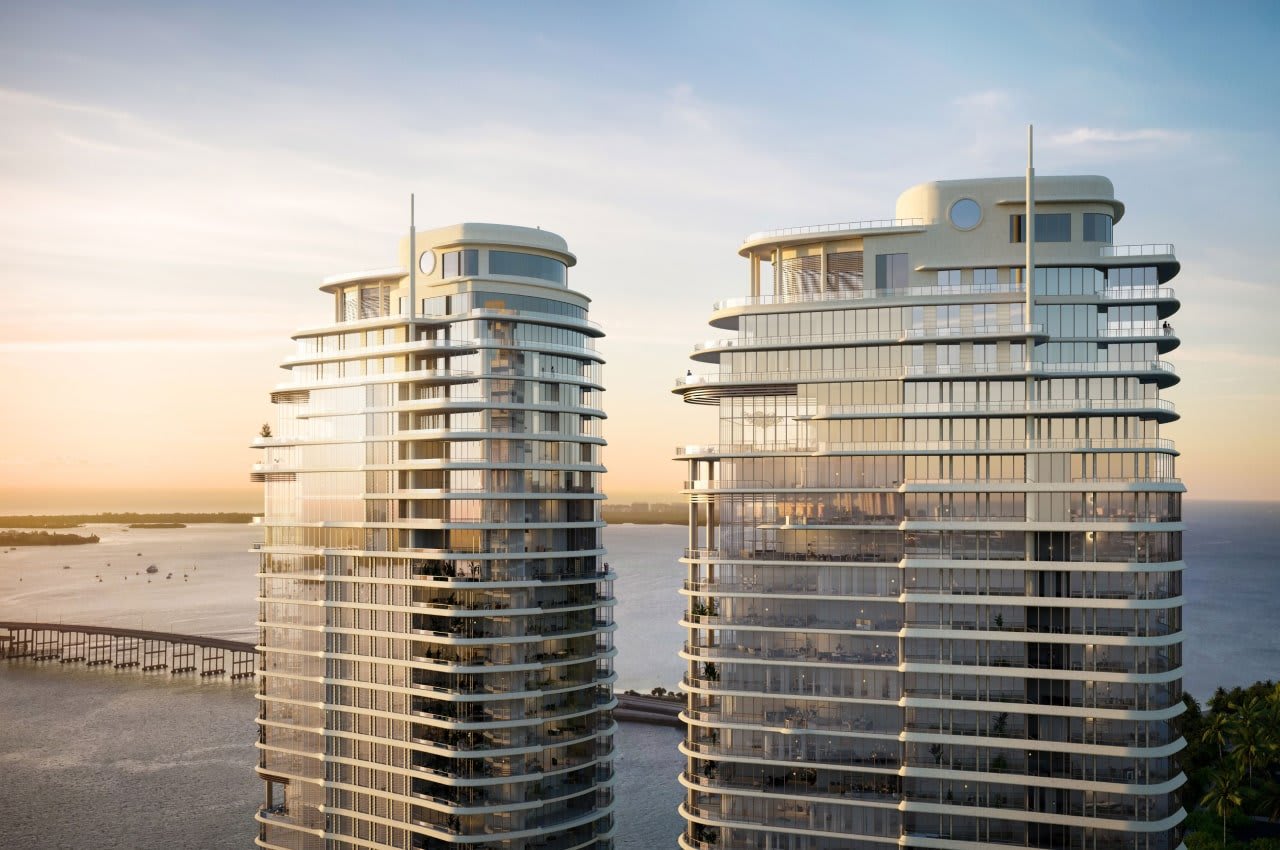
One of the clearest signs of Edgewater’s rise is its skyline. The neighborhood has shifted from earlier mid-rise and smaller condo buildings to a more vertical collection of waterfront towers. That change has been driven by a series of high-profile residential developments that have steadily raised the area’s profile.
Several projects show just how dramatic that evolution has been. Bay House Miami brought 36 floors and 164 residences in 2015. Aria on the Bay followed with 53 floors, 648 residences, and 40,000 square feet of ground-floor retail and commercial space in 2018.
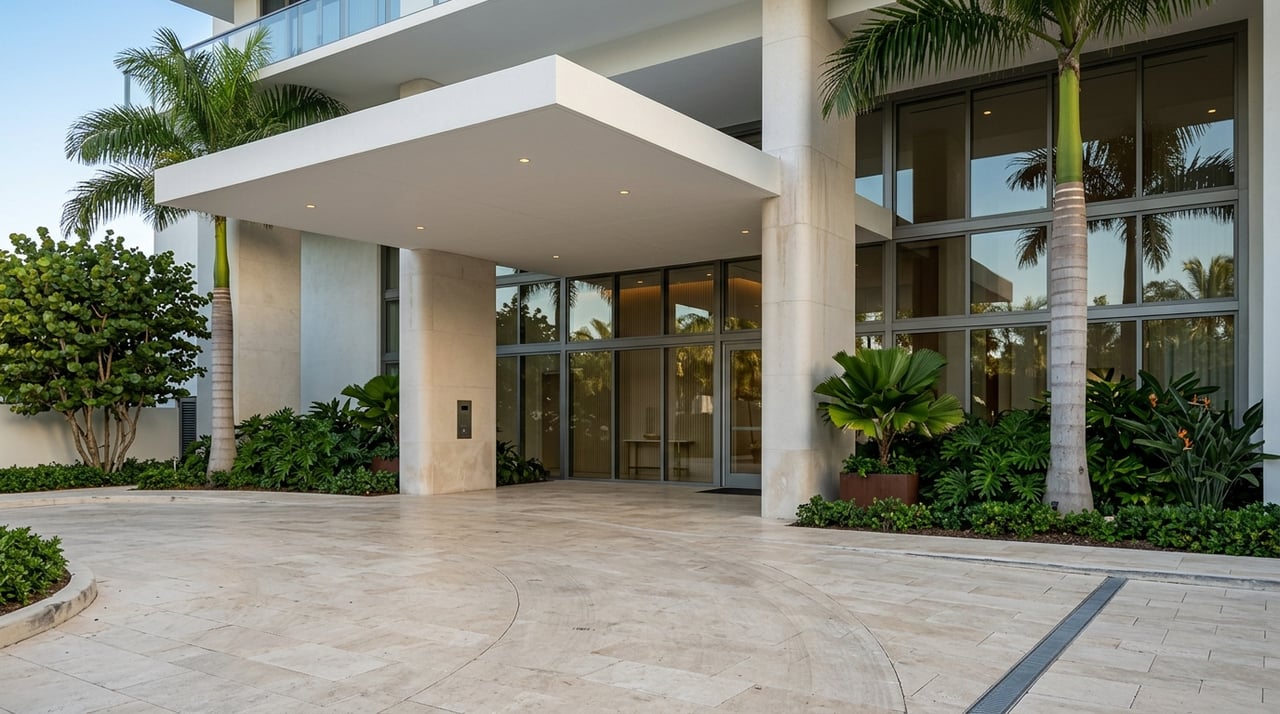
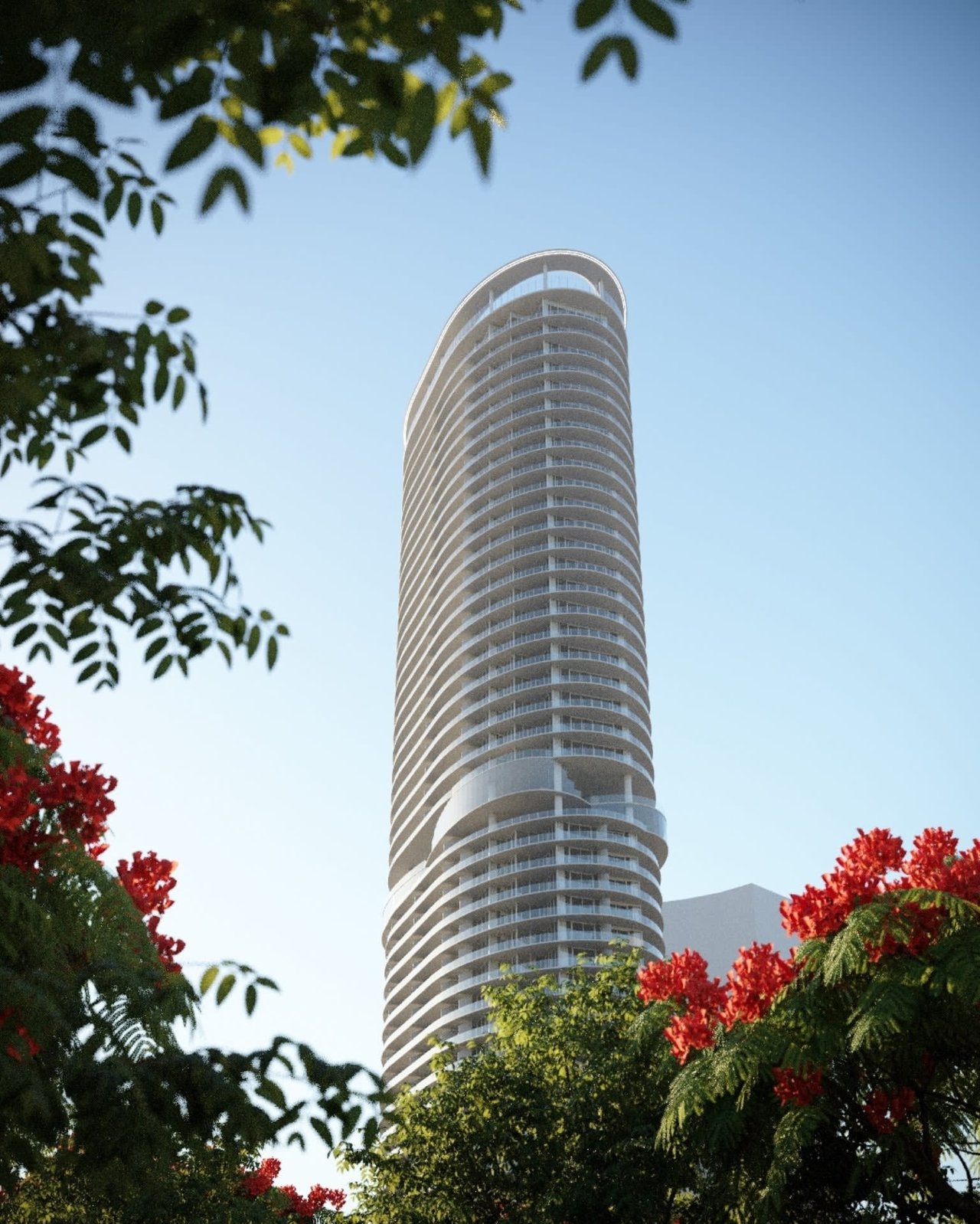
The luxury tier pushed that evolution even further. Elysee rises 58 stories and reaches 649 feet, and it has been identified as the tallest residential building in Miami’s Edgewater district. Missoni Baia added 249 bayfront residences across 57 floors and opened in 2023, while Aria Reserve introduced twin 62-story towers with 782 total units and 547 linear feet on the water.
Older Condos Still Matter
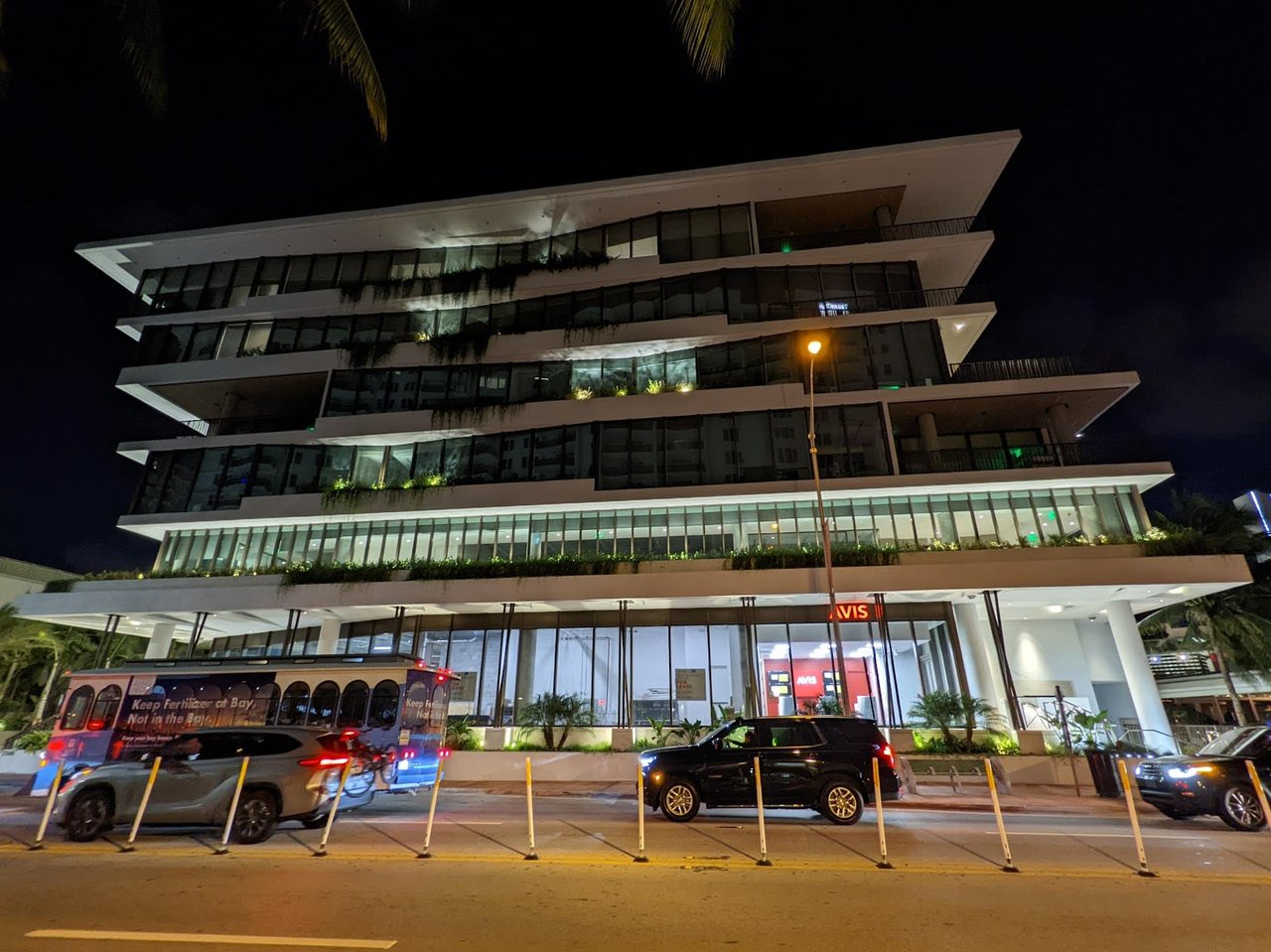
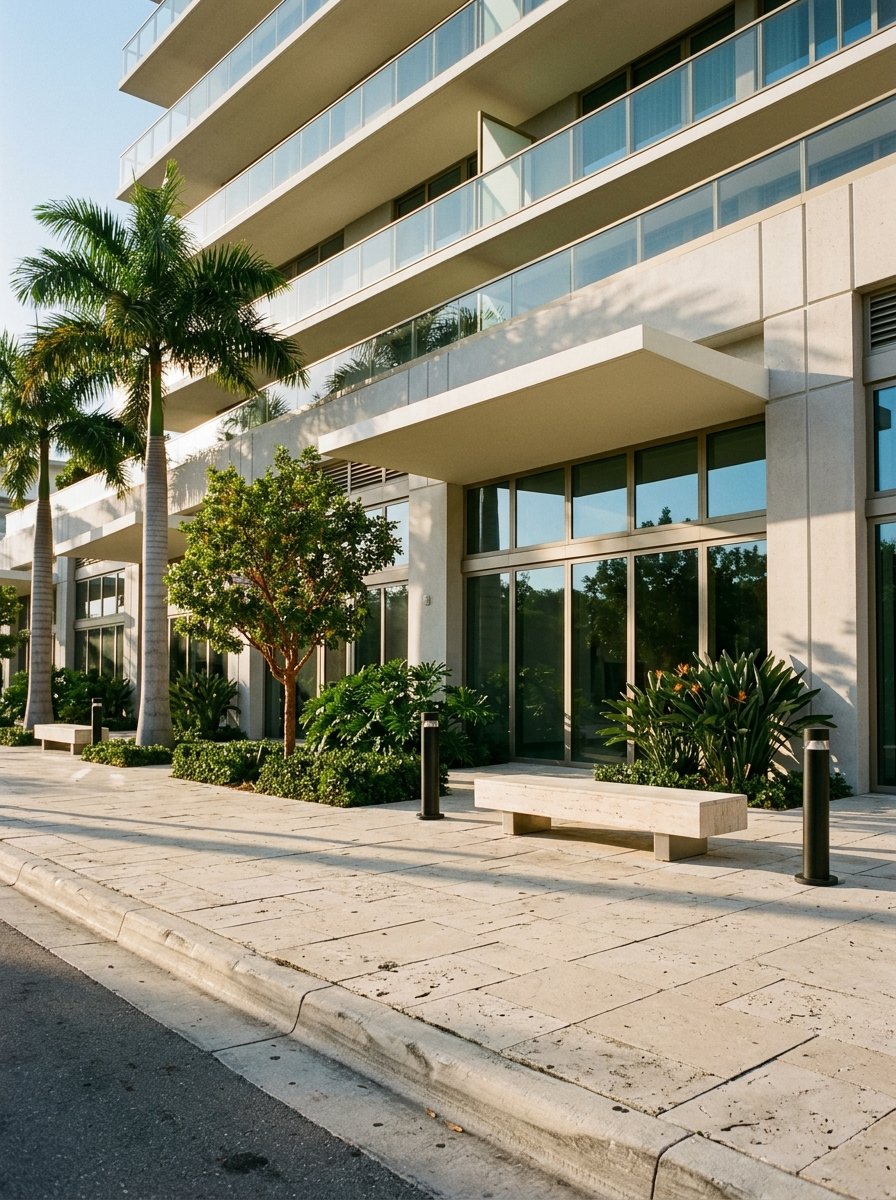
Even with the newer skyline, Edgewater still shows its earlier layers. Buildings like 22 Biscayne Bay, 23 Biscayne Bay, and 25 Biscayne Park remain part of the neighborhood’s housing mix. These projects reflect an earlier phase of development, with smaller scales and layouts that differ from the newest bayfront towers.
That mix is important because it gives Edgewater more than one type of condo product. In practical terms, the neighborhood is not only about brand-new trophy towers. It also includes older, more compact condo options that may appeal to buyers looking for a central location and lower-maintenance ownership.
What Is Driving Change
Edgewater’s transformation is not just about private development. It is also being shaped by public investment in parks, shorelines, drainage, and flood protection. Taken together, these projects suggest a neighborhood changing both above the ground and at the infrastructure level.
The biggest driver is the overlap between real estate demand and waterfront reinvestment. Developers have brought larger, design-led residential towers to the district, while the City is improving public amenities and resilience systems. For you, that creates a fuller picture of change than skyline photos alone can show.
Margaret Pace Park’s Importance
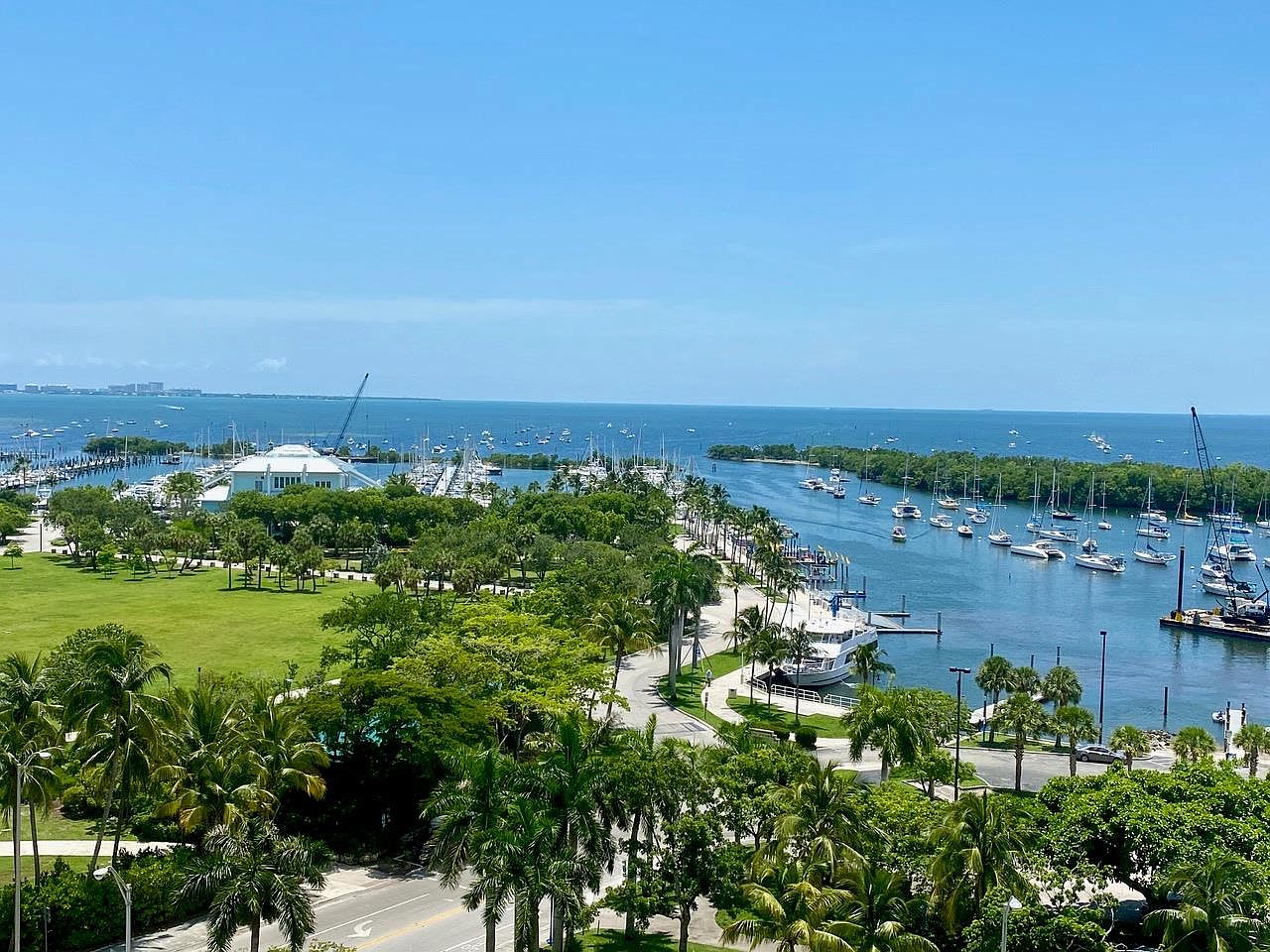
Margaret Pace Park is Edgewater’s signature public amenity. The City of Miami lists waterfront access, walking trails, basketball, tennis, volleyball, dog park space, playgrounds, picnic areas, and outdoor gym equipment among its features. In a dense waterfront district, that kind of open space plays a major role in daily quality of life.
The park also helps define the neighborhood’s identity. It gives Edgewater a public bayfront experience that supports both recreation and shoreline access. For many residents and prospective buyers, that balance between vertical living and open waterfront space is part of what makes the area stand out.
Waterfront Resilience Work
Margaret Pace Park is also part of a broader resilience story. The City’s Phase 1 plan focuses on shoreline stabilization, resiliency, revised walkways, and water access for non-motorized vessels. Planned features include a kayak launch, reef arches, and enhanced wayfinding signage.
This matters because Edgewater’s growth is happening alongside climate and infrastructure planning. The park is being treated not only as green space, but as part of the neighborhood’s long-term waterfront strategy. That is an important distinction if you are evaluating the area beyond aesthetics alone.
Flood and Seawall Projects
The City has also outlined major work beyond the park itself. An Edgewater Neighborhood Flood Improvements project is estimated at $40.9 million and is intended to help alleviate flooding for 816 properties while protecting about $1 billion in property value. The current schedule runs from July 2026 through November 2027.
Separate city plans also cover the replacement of eight seawalls along bayfront stretches from NE 22 Street through NE 35 Street. In addition, the City’s proposed FY 2024-25 capital budget includes Edgewater Neighborhood Area Baywalk and Park Improvements. Together, these projects show that the district’s rise includes serious attention to waterfront infrastructure.
Edgewater Housing Options
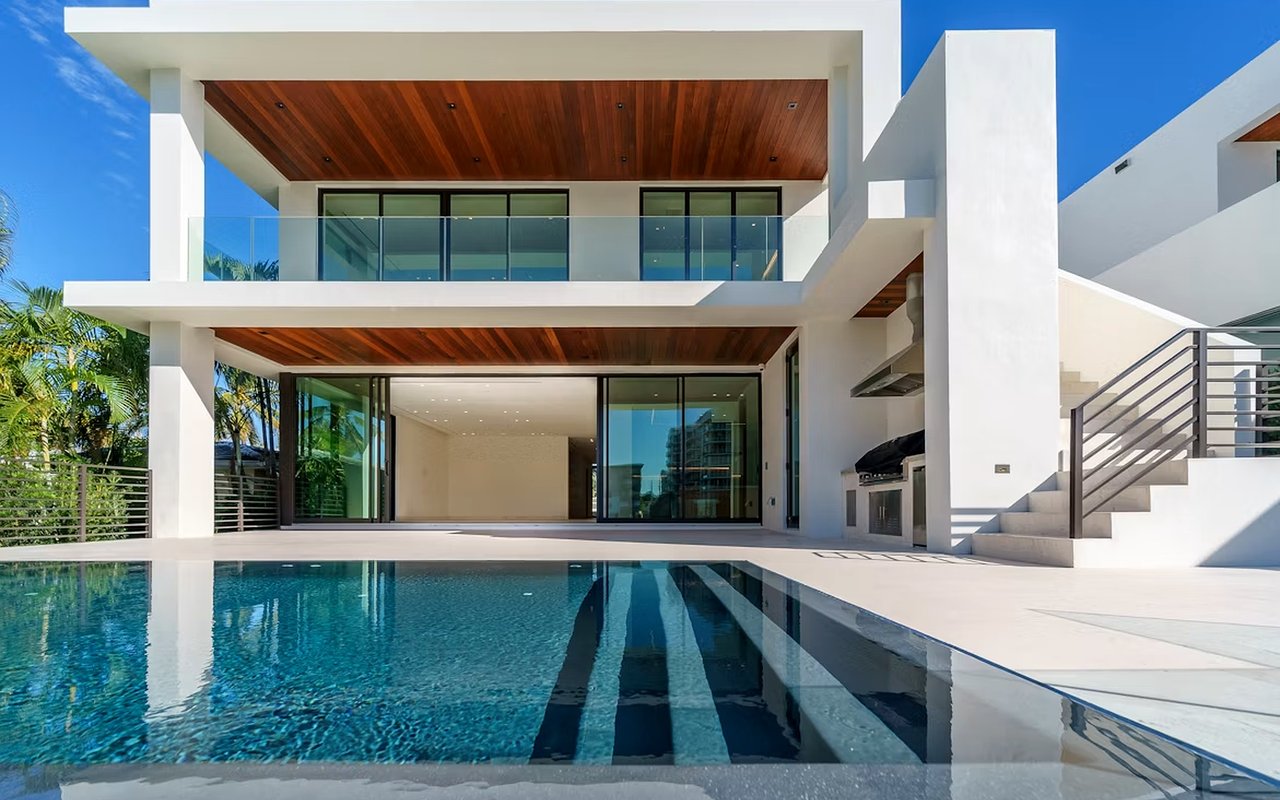
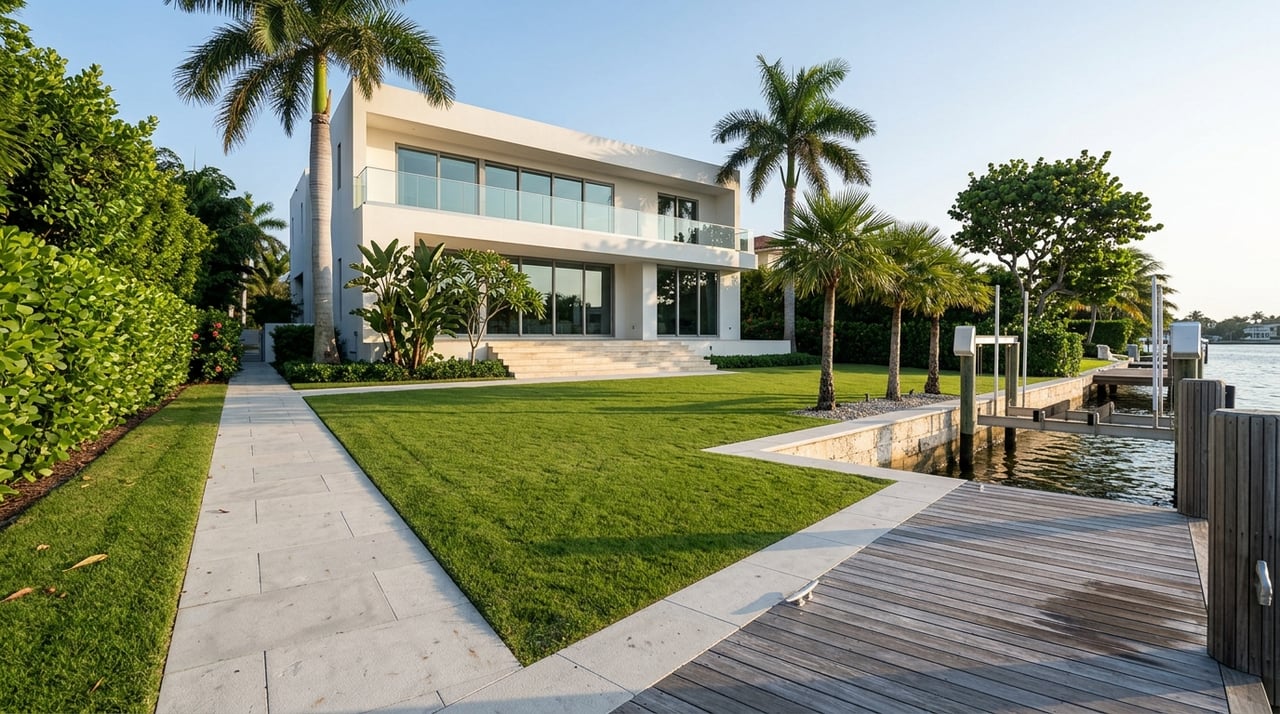
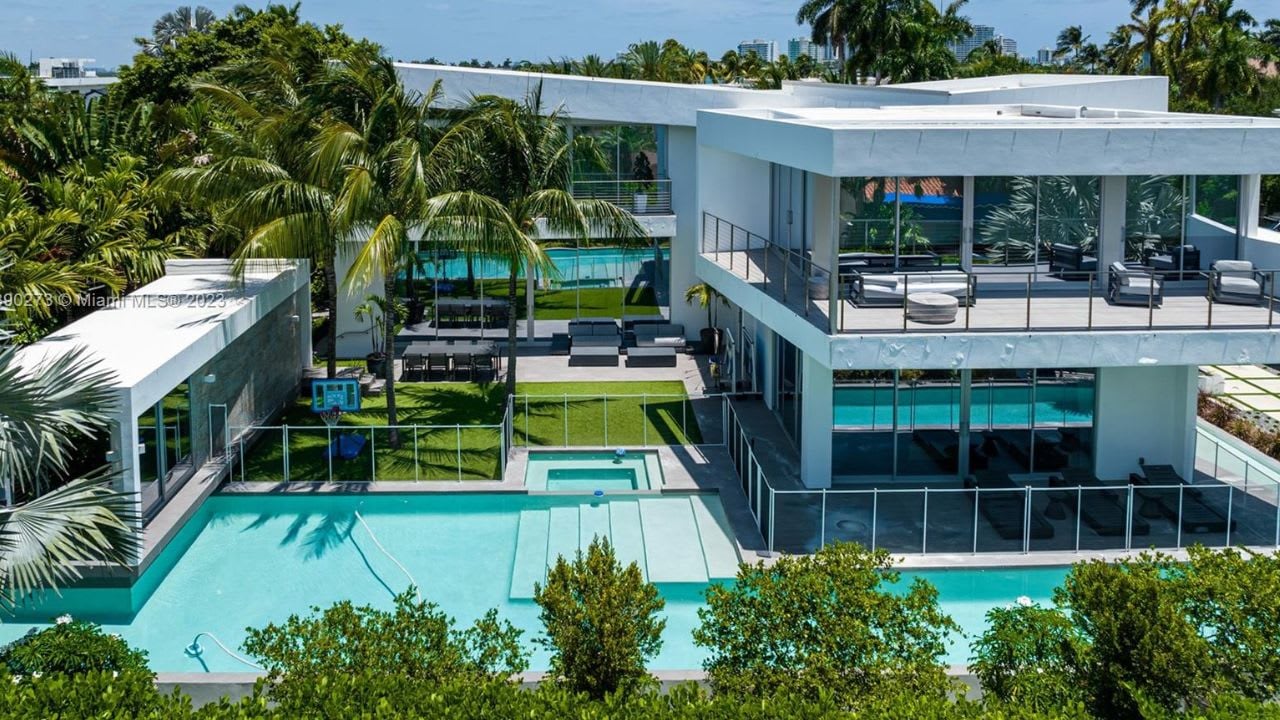
Edgewater remains a condo-led neighborhood. The dominant housing type is the condominium, especially in waterfront and near-water towers. While townhouse-style residences appear in select luxury projects, they are the exception rather than the rule.
That gives you a fairly clear sense of what to expect in the local market. If you are searching in Edgewater, you are mostly comparing condo buildings, floor plans, amenity packages, views, and building age rather than choosing between large numbers of home styles.
Newer Luxury Towers
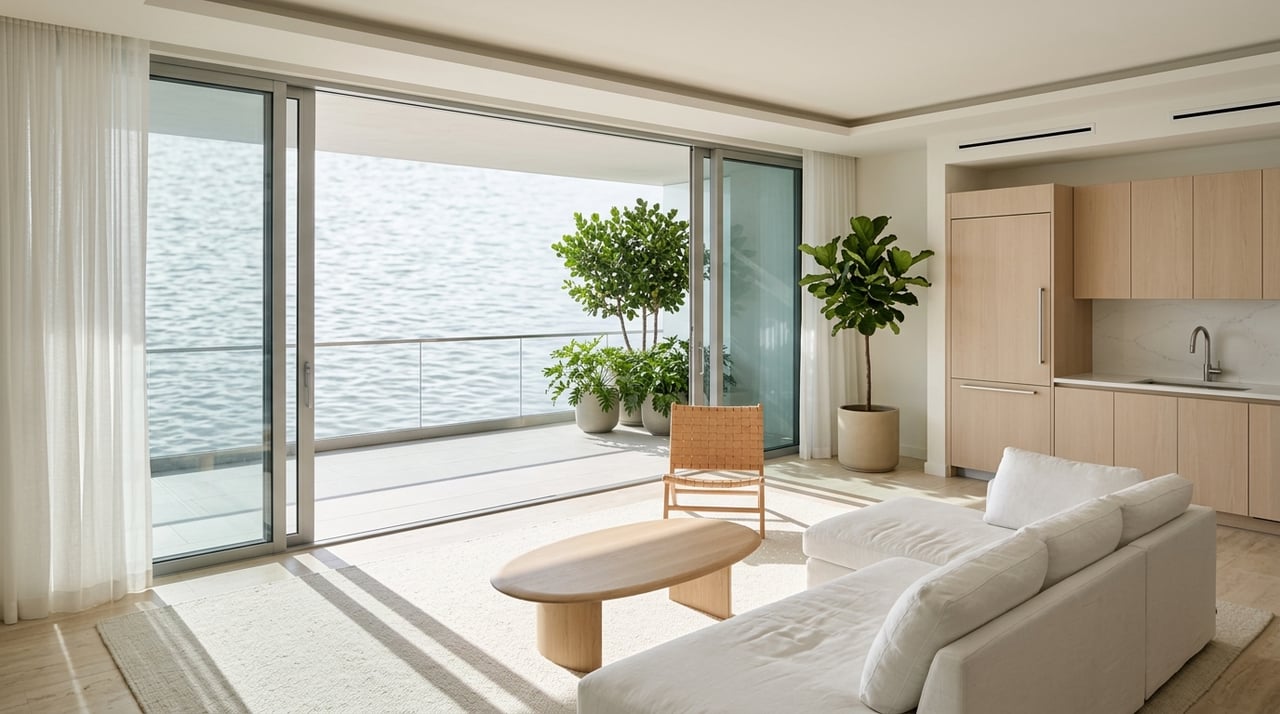
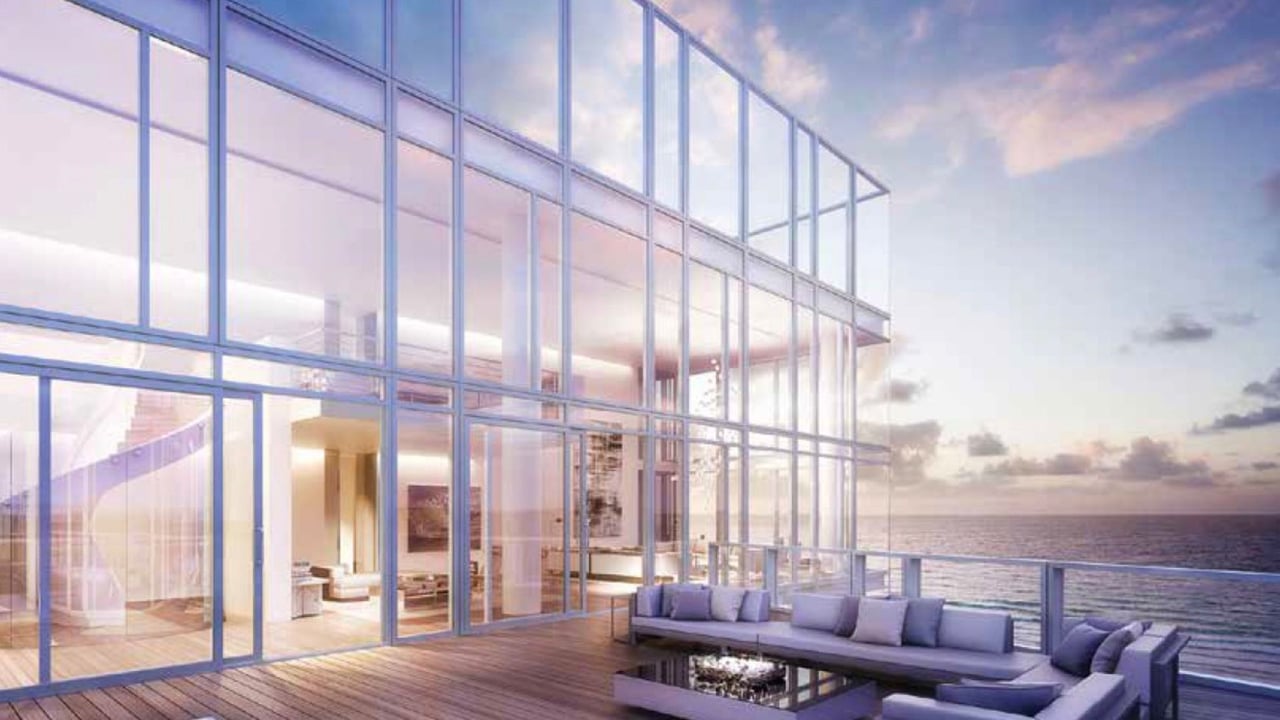
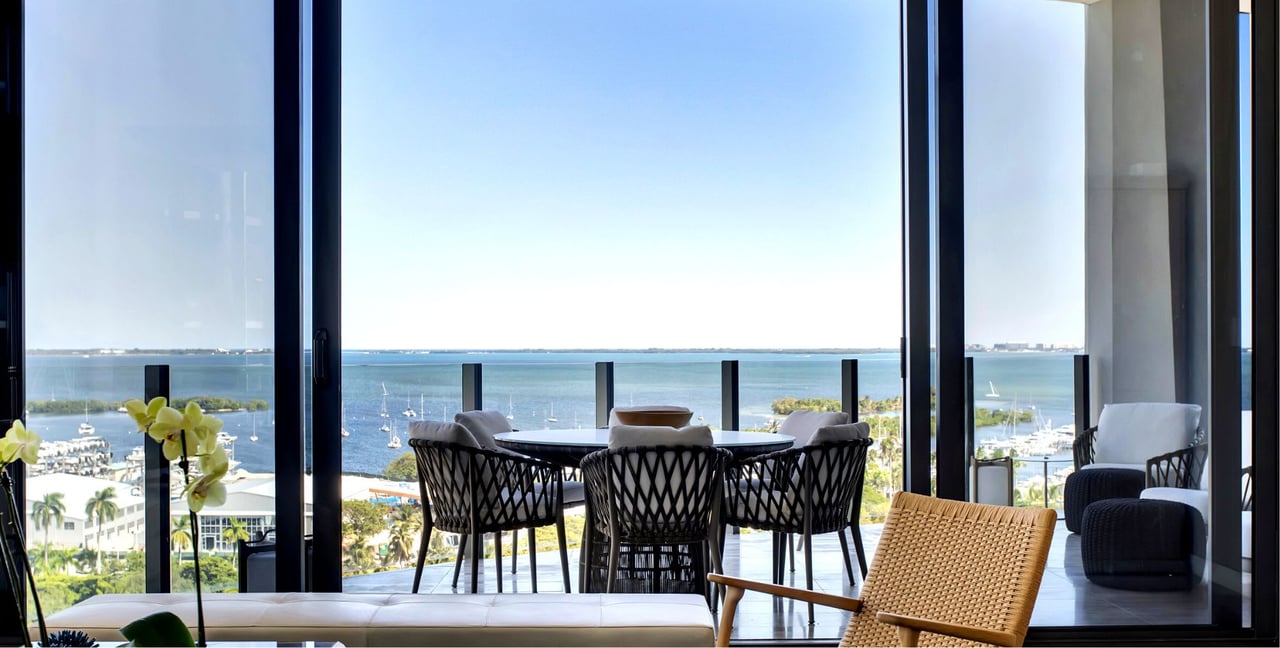
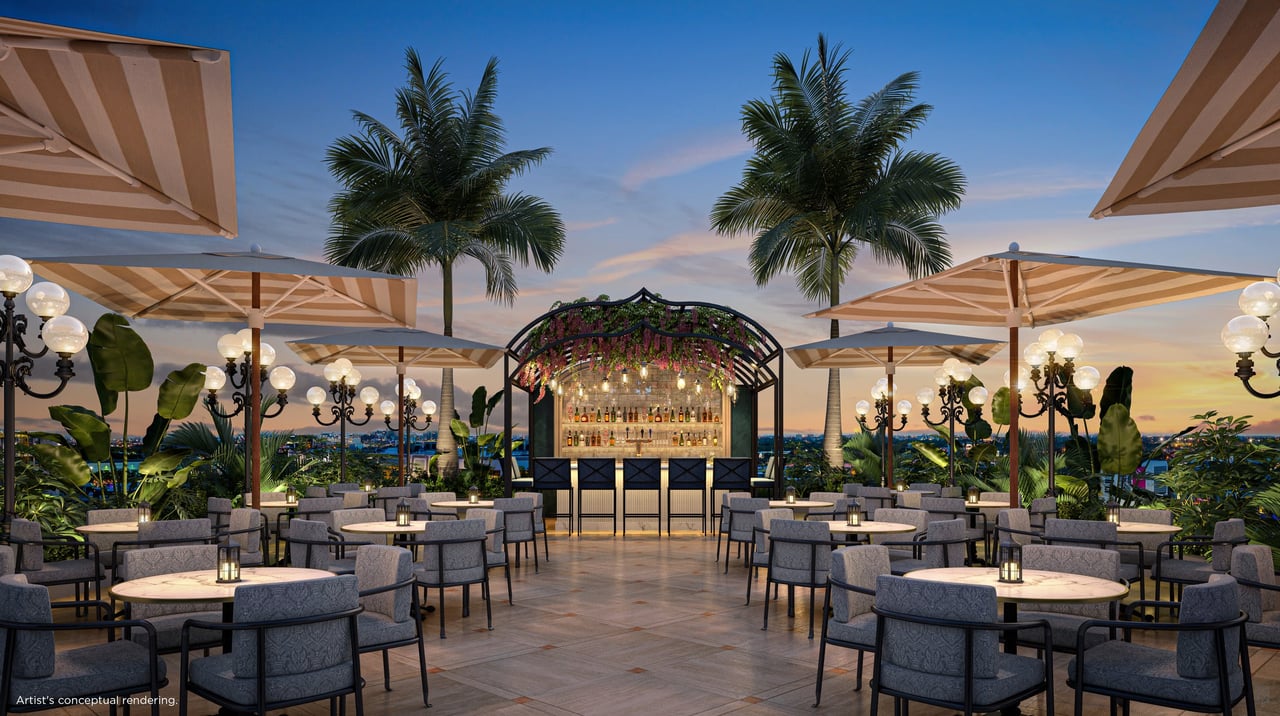
The newer generation of projects tends to suit buyers who want open-water views, extensive amenities, and a lock-and-leave lifestyle. That can include second-home buyers, design-focused purchasers, and people making a move within Miami who want a more elevated bayfront experience. In these buildings, the appeal often centers on the full package of architecture, services, waterfront positioning, and newer construction.
Some projects also offer more varied layouts. Missoni Baia, for example, includes one- to five-bedroom residences as well as duplex townhouse-style homes. That creates a niche option for buyers who want a more house-like layout while staying in a waterfront tower environment.
Smaller and Earlier Condo Choices
Older and smaller towers can serve a different kind of buyer. One- and two-bedroom condos may be a natural fit for people who want a central location, simpler ownership, and direct access to the broader Biscayne corridor. These buildings may also attract those who value neighborhood position over the newest amenity list.
This layered inventory is part of what makes Edgewater interesting. It is a neighborhood where old and new coexist, which can create a broader range of price points, layouts, and building personalities than you might expect from the skyline alone.
What Buyers and Sellers Should Watch
If you are buying in Edgewater, it helps to look beyond the view and building brochure. The neighborhood’s story includes infrastructure improvements, shoreline work, public-space upgrades, and changing density. Understanding how a specific property fits into that broader transformation can help you compare opportunities with more clarity.
If you are selling, Edgewater’s evolution can shape how your property is positioned. In a neighborhood where new towers attract attention, older residences may need a sharper story around location, layout, bay access, or proximity to Margaret Pace Park and the Biscayne corridor. In a market like this, context matters as much as square footage.
Why Edgewater Stands Out Now
The most accurate way to view Edgewater today is as a waterfront district in active reinvention. Its skyline is rising, its park system is evolving, and its flood-control and seawall work point to long-term public investment. That combination makes it one of the more closely watched parts of Miami’s bayfront core.
For buyers, sellers, and relocators, Edgewater offers more than a collection of towers. It reflects where Miami’s urban waterfront is heading, with stronger connections to Downtown-adjacent districts, more design-led residential options, and a public realm that is being actively reshaped alongside private development.
If you are considering a move, a sale, or a strategic purchase in Miami’s waterfront market, working with a team that understands both the lifestyle and the long-term positioning of each neighborhood can make a meaningful difference. Connect with the APT Team for thoughtful guidance on Edgewater and Miami’s luxury residential landscape.
FAQs
What is changing in Edgewater, Miami right now?
- Edgewater is changing through a combination of taller residential towers, upgrades at Margaret Pace Park, planned flood improvements, seawall replacement work, and broader baywalk and shoreline investment.
Is Edgewater, Miami mostly condos or townhomes?
- Edgewater is mostly a condo neighborhood, with townhouse-style residences appearing only in select luxury projects.
What is the main public amenity in Edgewater, Miami?
- Margaret Pace Park is the neighborhood’s signature public amenity, with waterfront access, walking trails, sports courts, dog park space, playgrounds, and other outdoor features.
How is Edgewater, Miami connected to nearby neighborhoods?
- Edgewater is part of Miami’s central bayfront corridor and is commonly discussed alongside Downtown, Midtown, Wynwood, and the Design District, with added connectivity through the City’s Biscayne trolley route.
Why does resilience work matter in Edgewater, Miami real estate?
- Resilience work matters because the neighborhood’s evolution includes shoreline stabilization, flood improvements, seawall replacement, and stormwater planning, all of which are part of its long-term waterfront future.