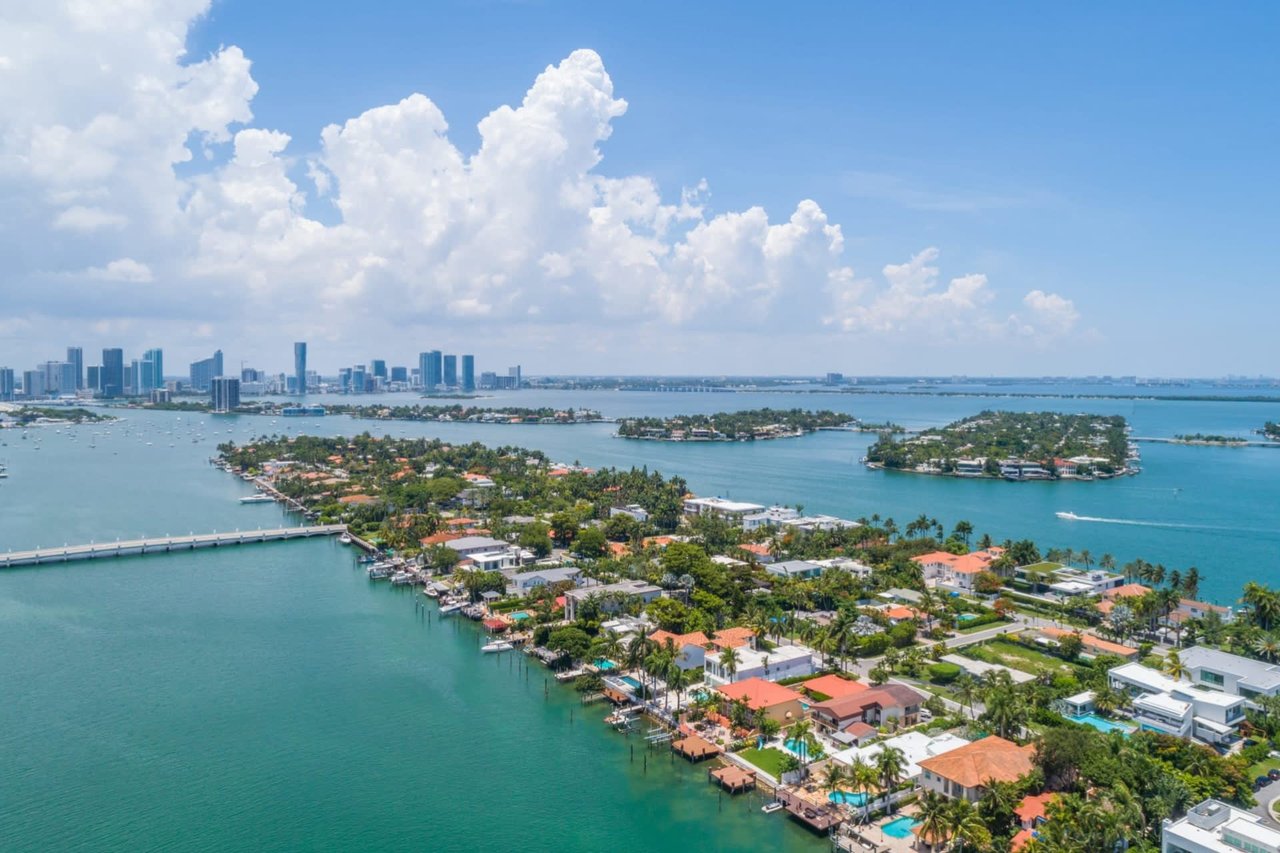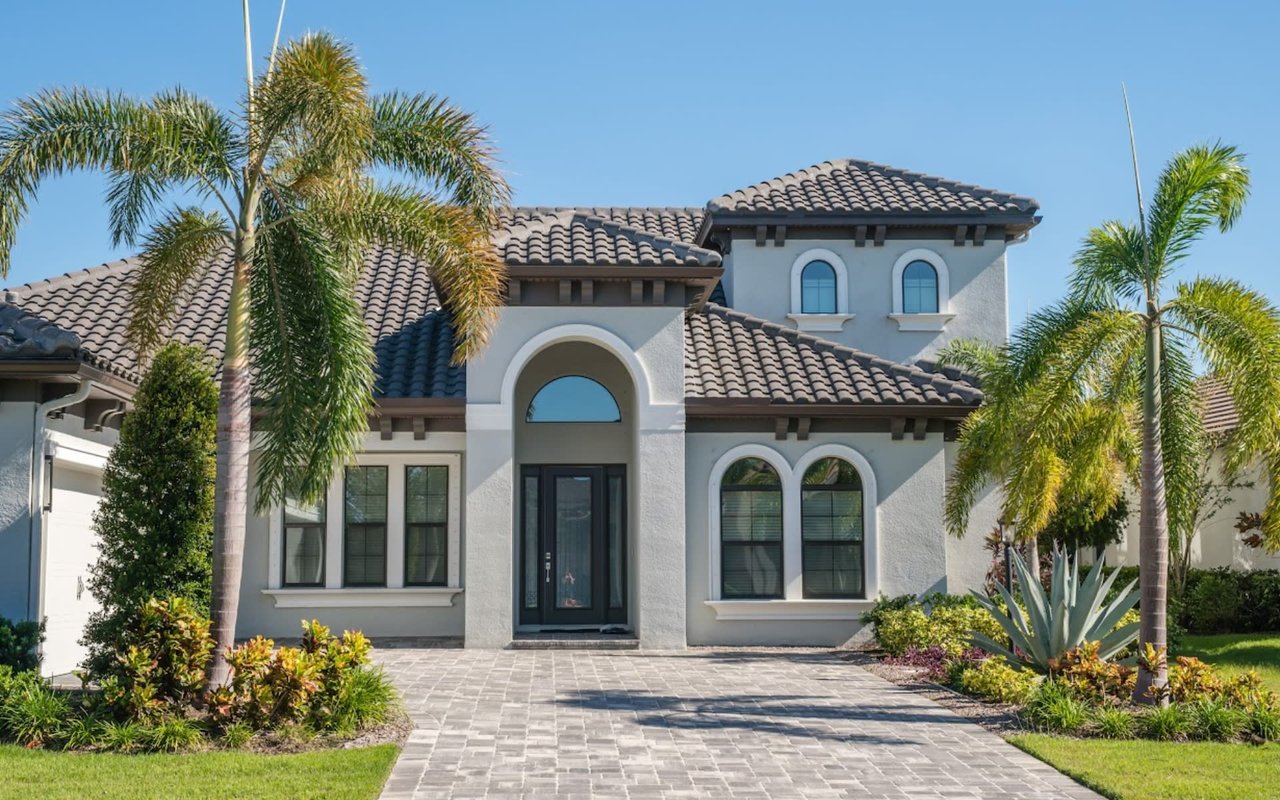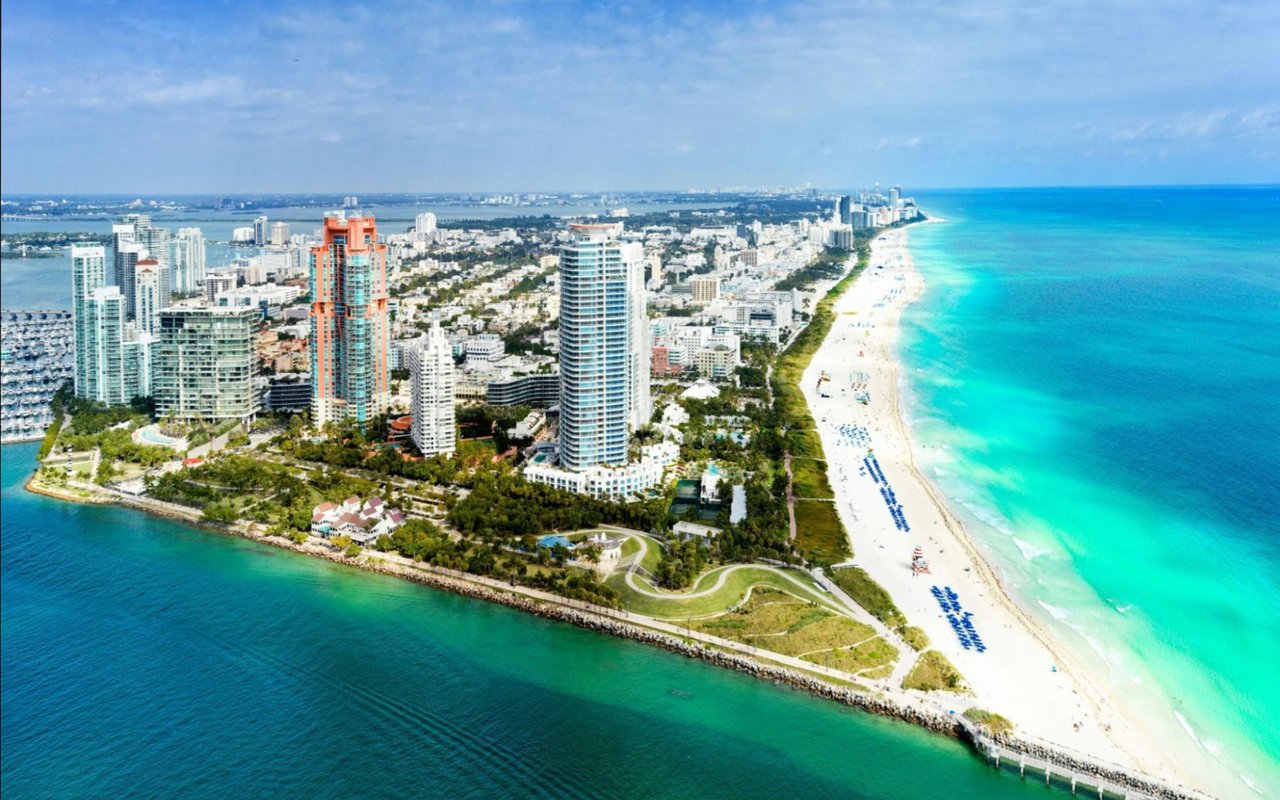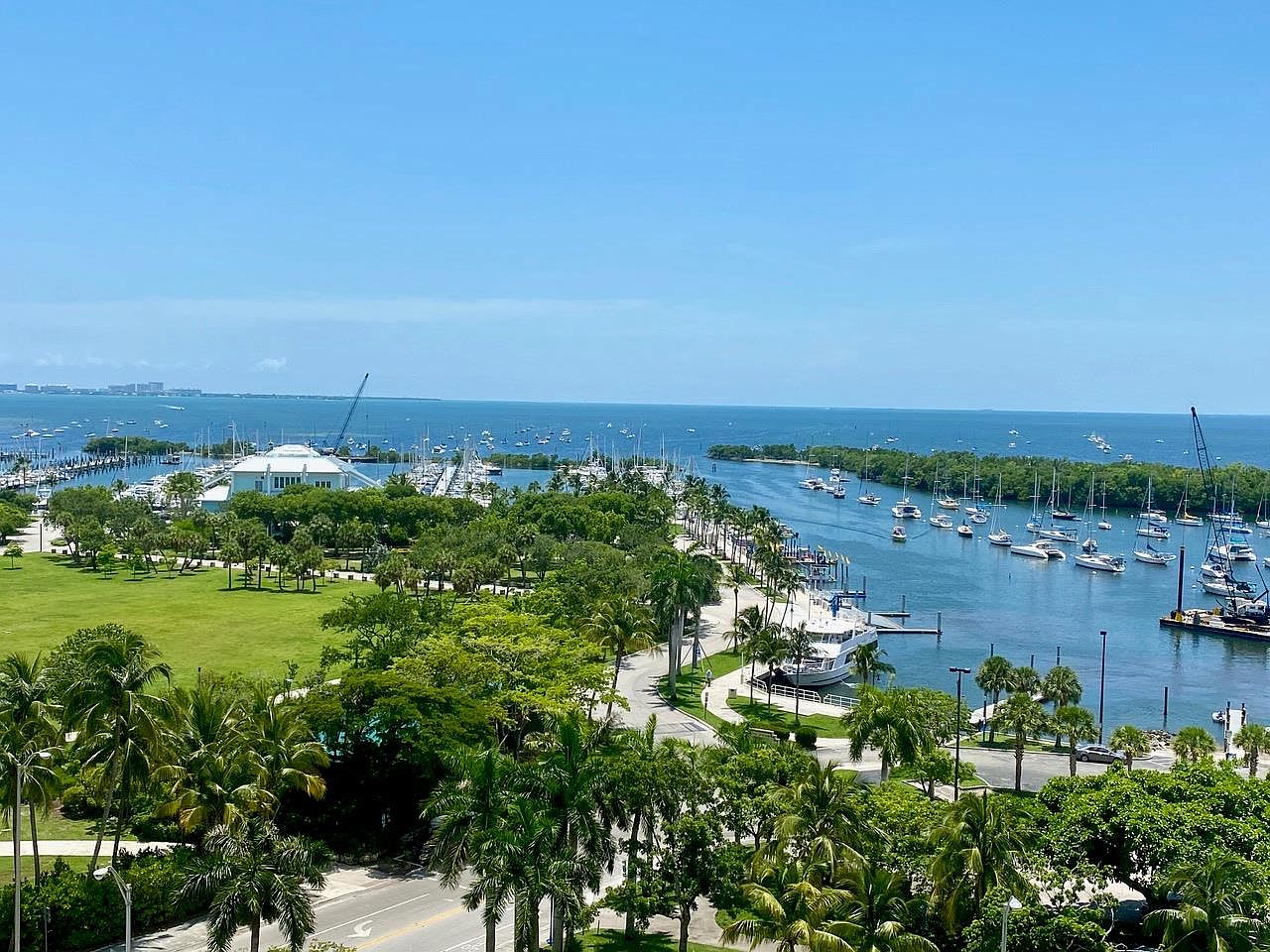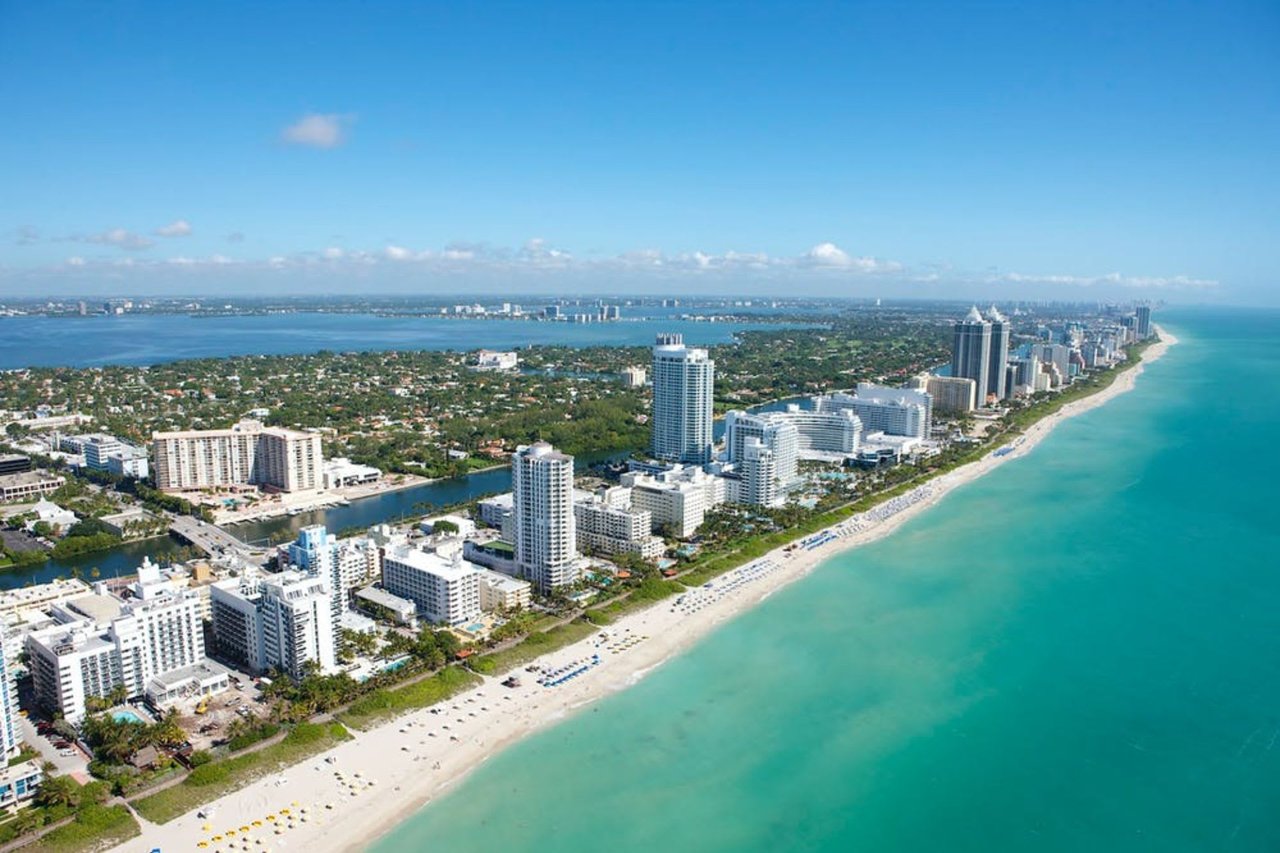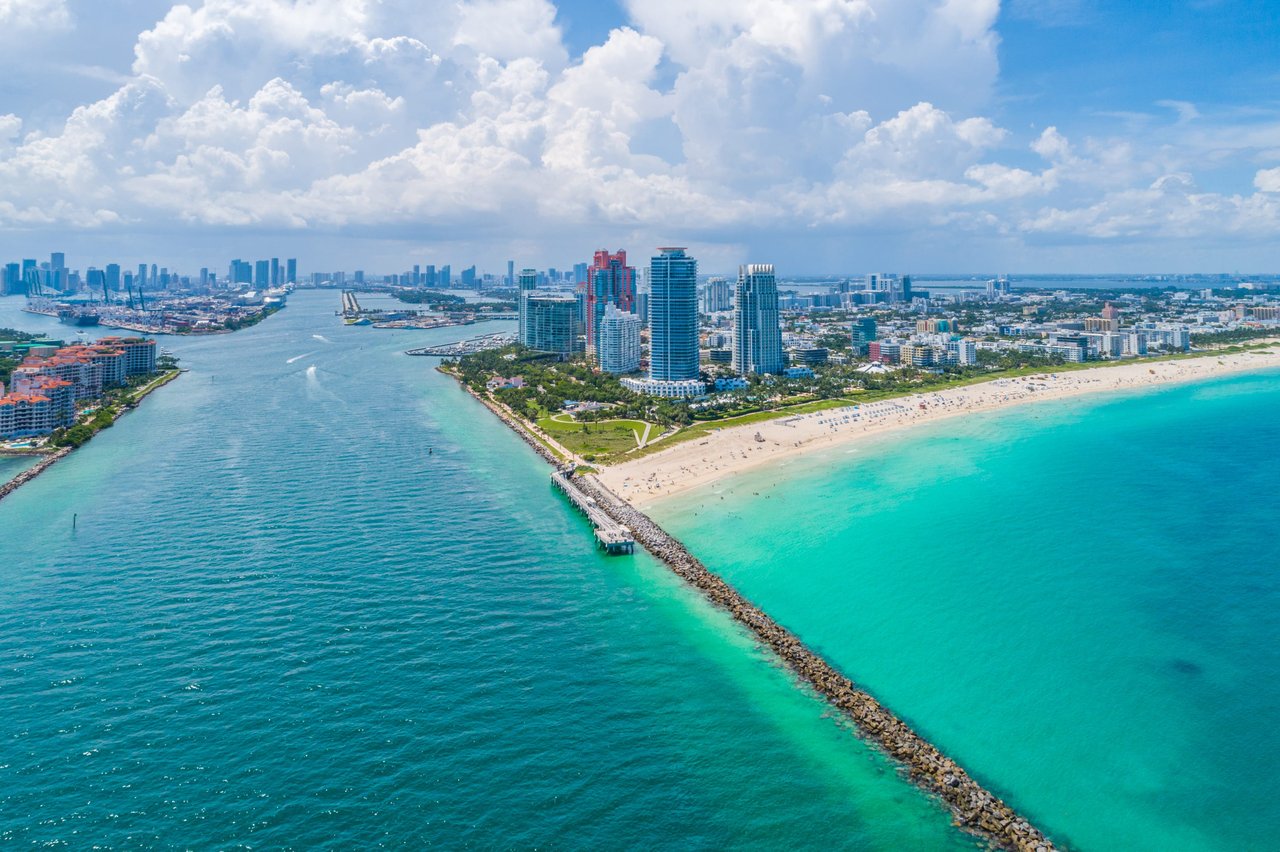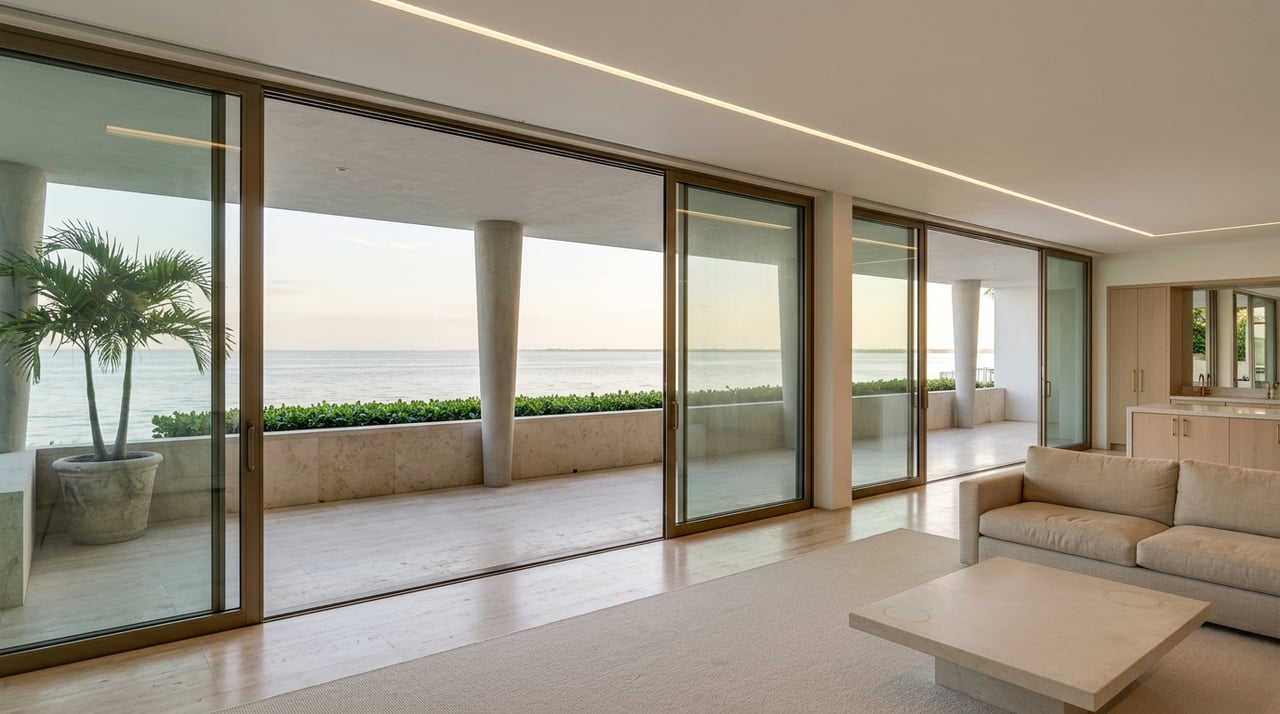
For most of the past year, Fisher Island's real estate story has been told in a single sentence: America's most expensive zip code, ferry access only, wealthiest enclave in the country. That sentence stopped being true sometime in the first half of 2026. Bloomberg and PropertyShark data reported in early August showed Atherton, California had reclaimed the title, with a median sale price near $9.9 million through July against roughly $8.3 million on Fisher Island over the same window. Silicon Valley's AI wealth pulled the crown back north after Fisher Island held it since PropertyShark's October 2025 ranking, when a 65 percent year-over-year jump in median price ended Atherton's eight-year run at the top.
If you're weighing Fisher Island against another Miami waterfront submarket, that ranking flip is not the number to fixate on. Rankings built on a handful of trades in a 216-acre zip code swing hard in both directions, and they always will. The number that tells you something you didn't already know is what happened underneath the median while everyone was watching the leaderboard.
The Median Went Sideways While the Real Signal Moved
Between 2023 and 2026 year-to-date, Fisher Island's overall median closing price climbed from about $5.5 million to roughly $9.4 million. Over that same stretch, price per square foot actually fell by close to 9.6 percent. Those two numbers moving in opposite directions is not a contradiction. It's what happens when the mix of what's selling changes underneath a small, thin market. A handful of large penthouse and estate trades can pull a median sharply higher even while the broader inventory, on a per-square-foot basis, is pricing more conservatively than the headline suggests.
The days-on-market number backs that up. Median time to close moved from 77 days in 2025 to roughly 195 days in 2026 year-to-date, close to a doubling. One recent example makes the pattern concrete: a property at 7133 Fisher Island Drive listed at $18.3 million and closed at $14.425 million, a discount of about 21 percent, or nearly $4 million negotiated off the ask. That is not the profile of a market running hot. It's the profile of a market where sellers face no urgent financial pressure but buyers who show up ready to close now have real room to negotiate, something that was much harder to find in 2025.
For a buyer comparing Fisher Island to Coconut Grove or Key Biscayne on price per square foot alone, the lesson is that the zip code's aggregate median is close to useless as a comparison tool. The right level to evaluate is the building or association, not the island-wide number, because a five-transaction sample moves on one or two closings.
The Price Tag Is the Smallest Number in the Deal
Almost every guide to Fisher Island leads with the purchase price and stops there. The purchase price is where the spending starts, not where it ends. Ownership here comes wrapped in at least three separate financial layers that a listing sheet won't show you:
- Fisher Island Community Association dues, currently $53,378.36 a year, covering island-wide infrastructure, security, and the ferry system itself.
- Fisher Island Club membership, which most owners carry alongside FICA dues. Equity membership runs a $250,000 initiation fee plus roughly $19,260 in annual dues. A non-equity annual membership, open to a limited number of non-owners, runs a $42,800 initiation fee with annual dues near $24,824.
- Building-level HOA fees and property taxes, which vary by association and stack on top of both of the above.
None of these figures move with the market the way the purchase price does. They're fixed costs of belonging to a place that can only reach the mainland by boat, and they explain why a buyer's real annual carrying cost on Fisher Island regularly runs into six figures well before a mortgage payment enters the picture. If you're pricing Fisher Island against a comparable unit in Brickell or on the Sunset Islands, this is the line item that actually separates the two markets, not the sale price per square foot.
Why the Island Can't Just Build Its Way Out of Scarcity
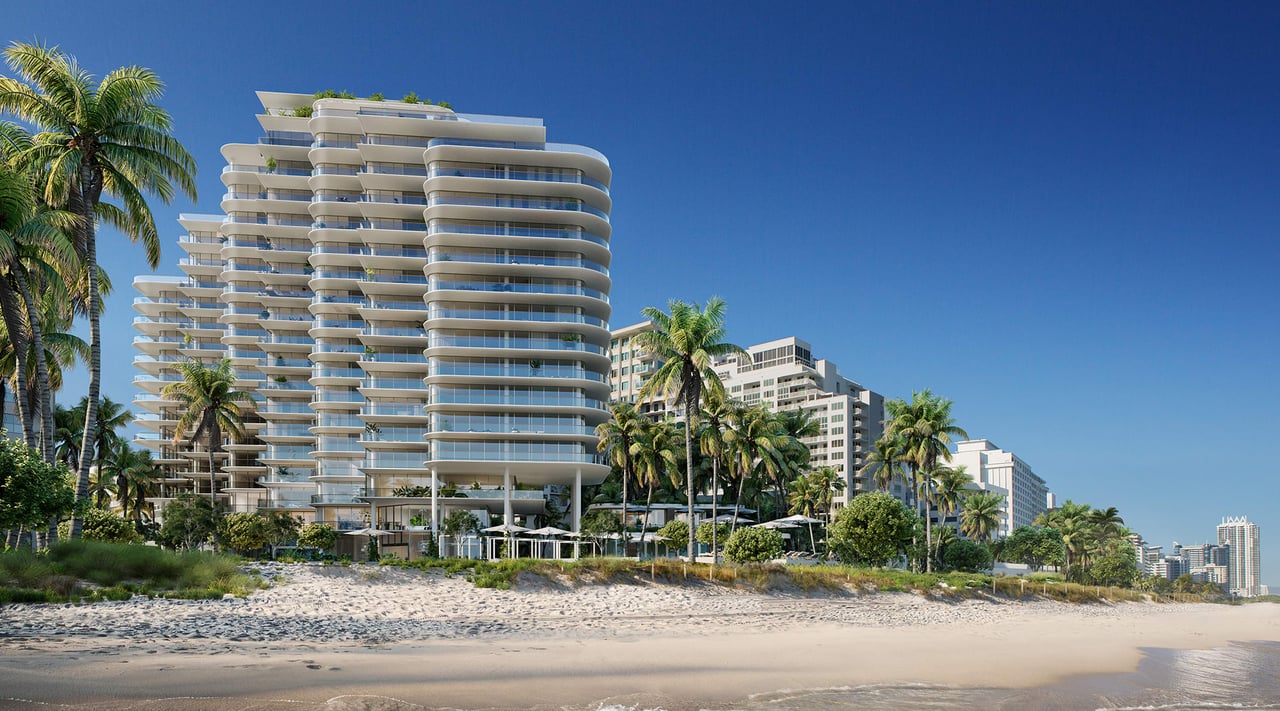
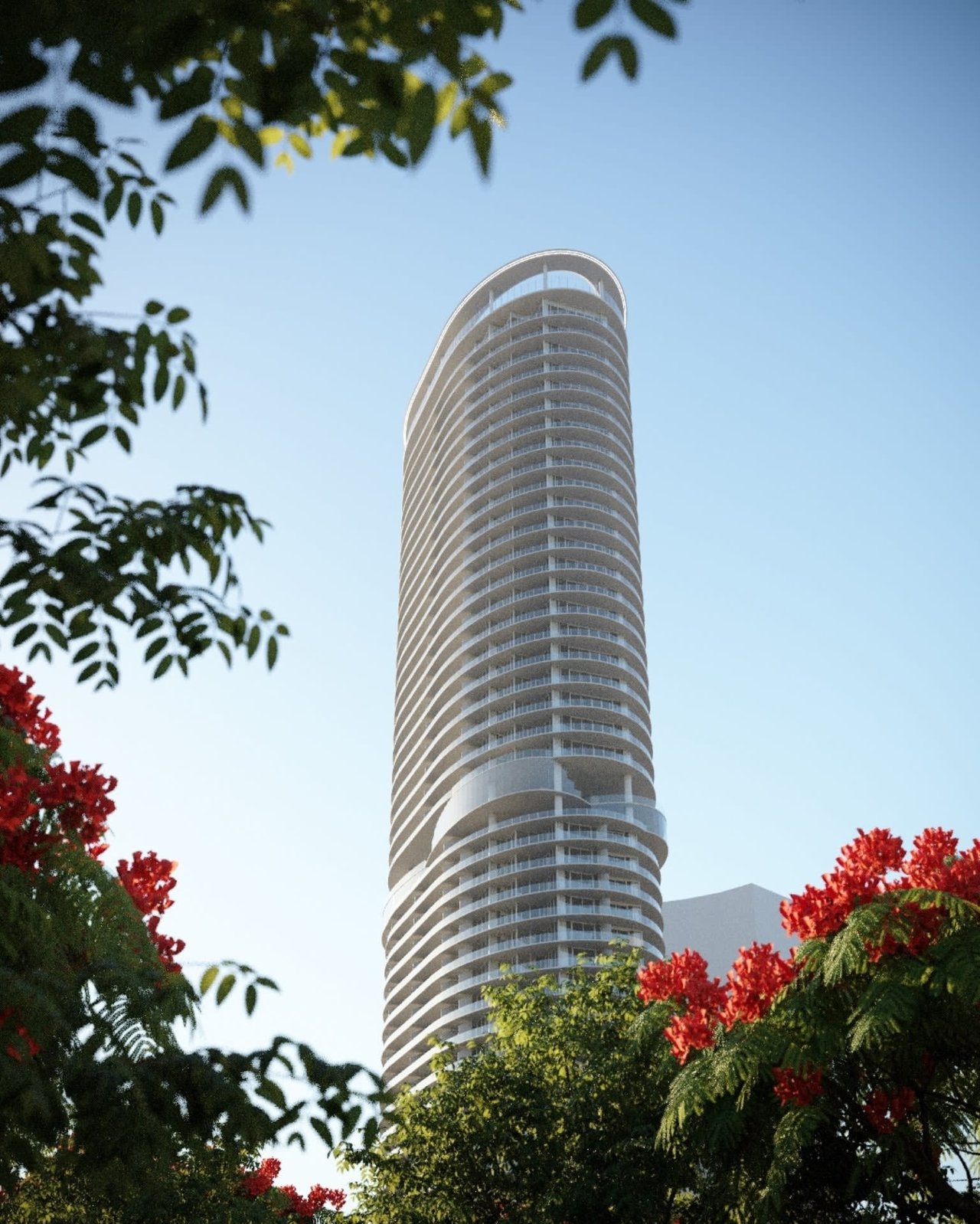
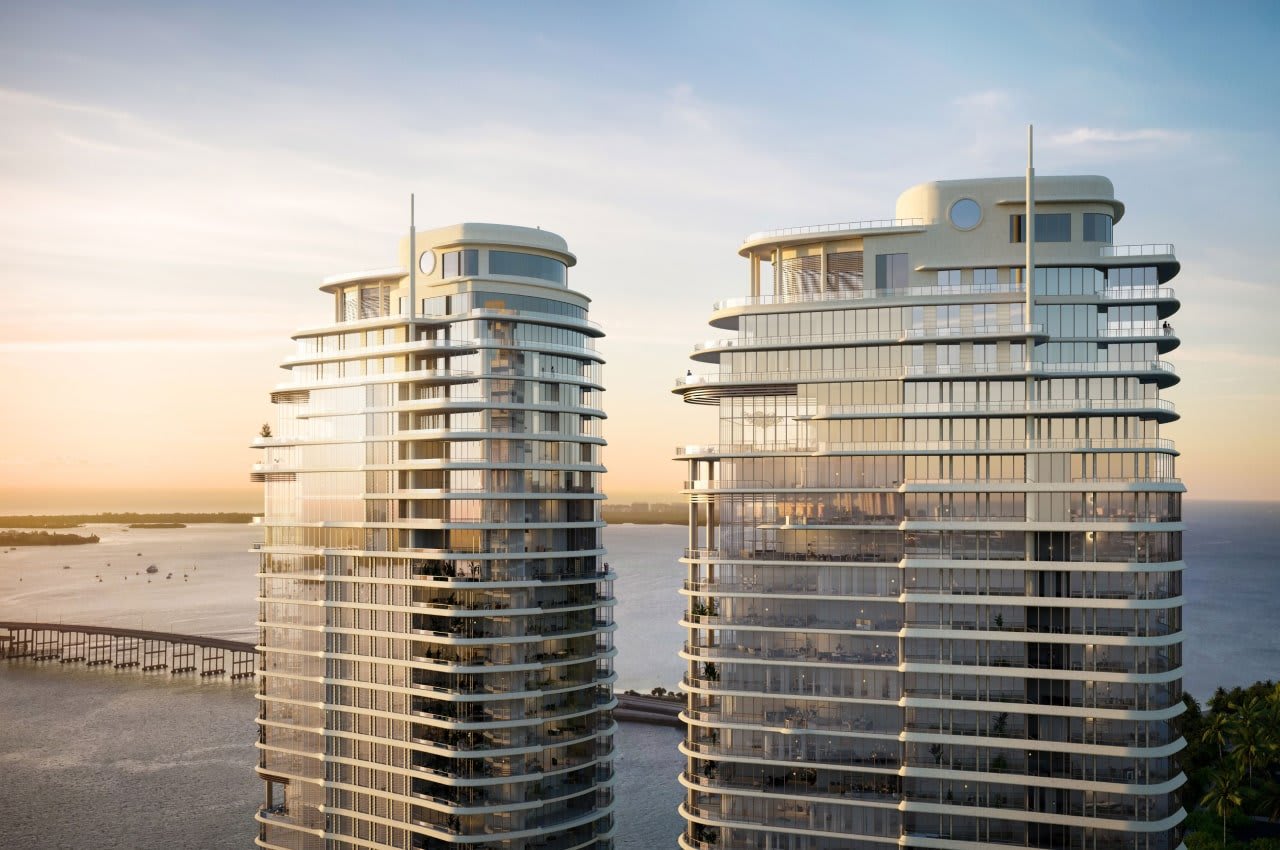
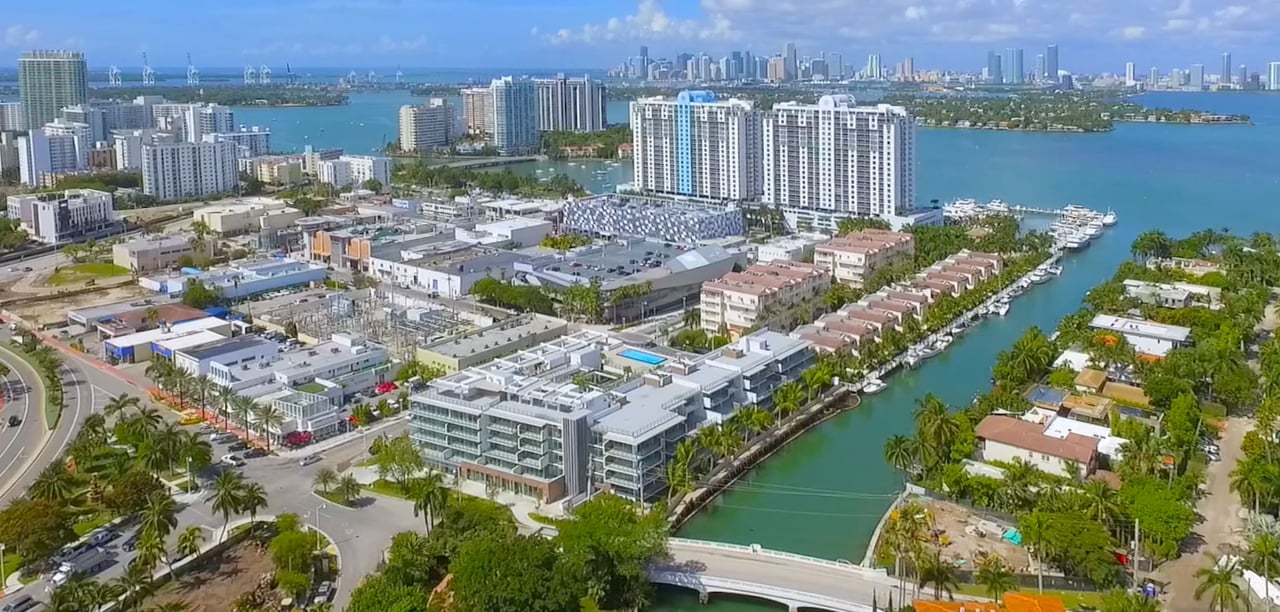
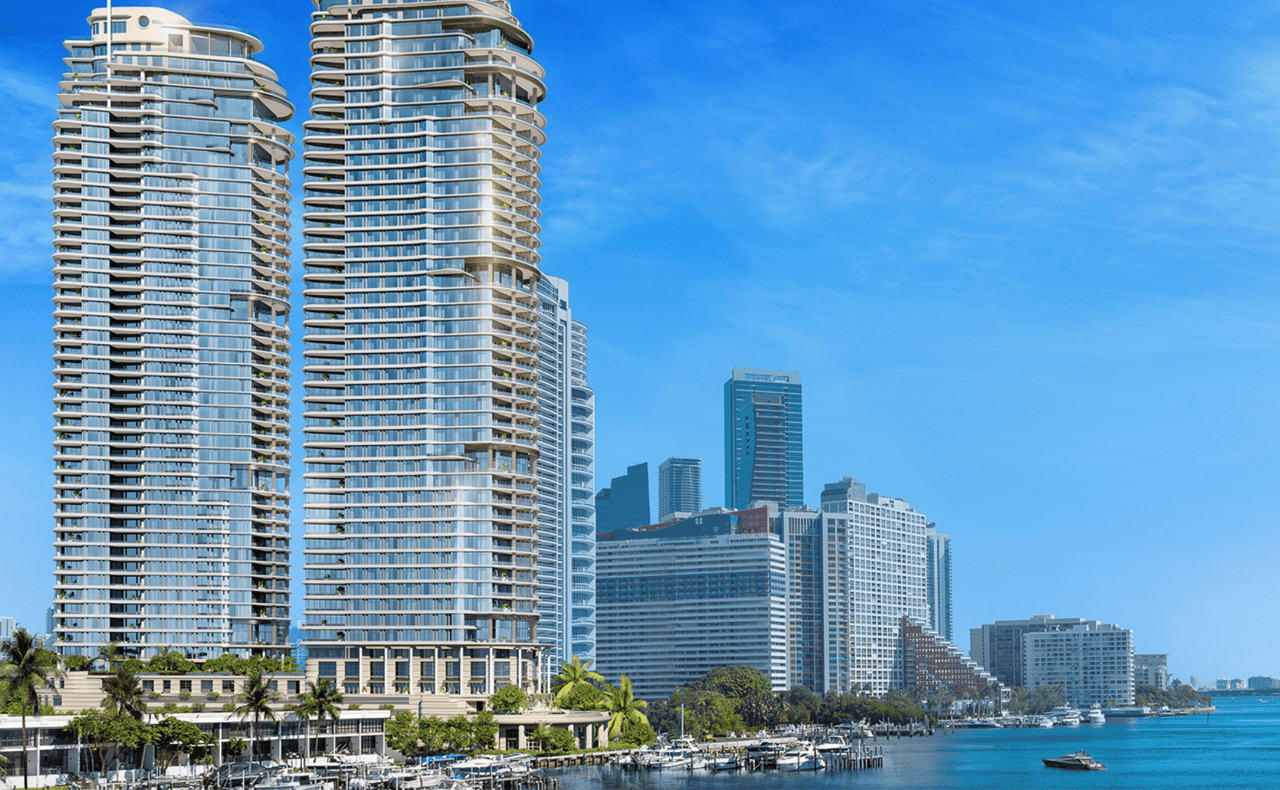
Fisher Island's scarcity has always been geographic. There's no bridge, no causeway, and no road connection to the mainland. Access runs through a 24-hour private ferry from Terminal Island Road off the MacArthur Causeway, private yacht to one of two deep-water marinas, or helicopter. Golf carts handle transportation once you're on the island. That physical ceiling on supply is the reason new inventory has been so rare that the Residences at Six Fisher Island, a 50-unit tower on the last remaining oceanfront parcel with delivery targeted for late 2026 into 2027, is the first new residential building on the island in more than five years.
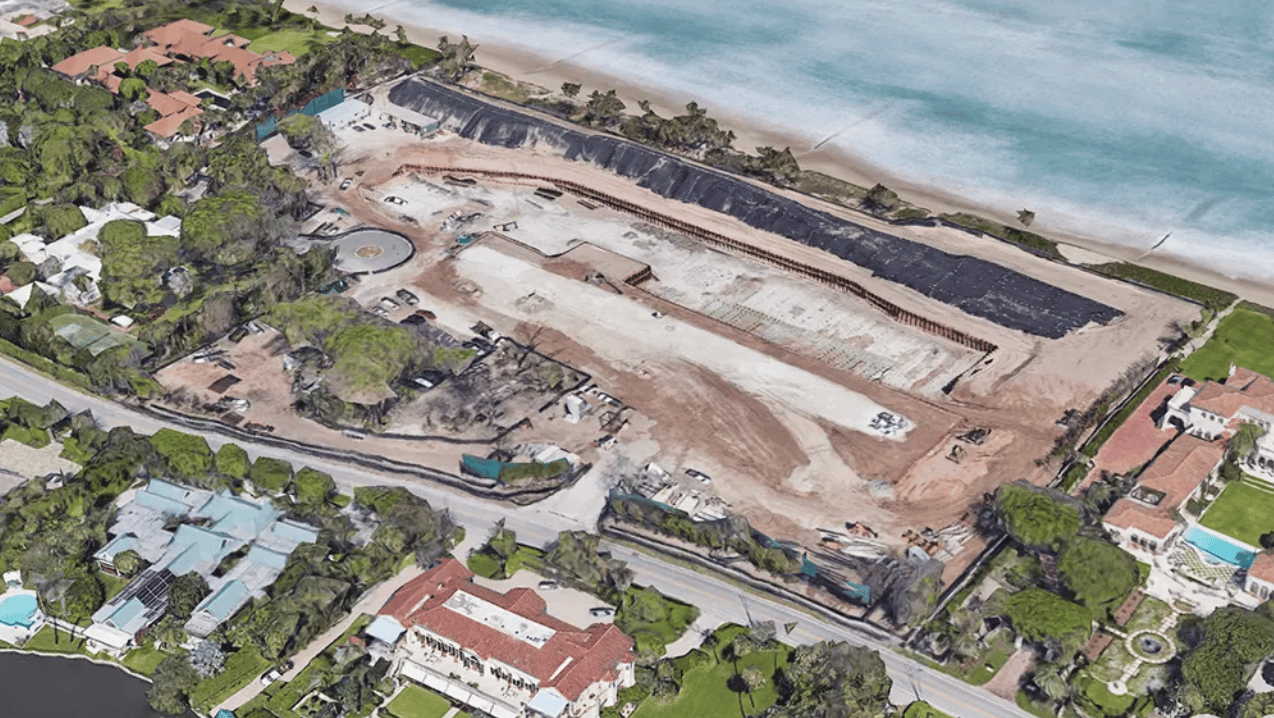
What's changed in 2026 is that the scarcity has picked up a legal dimension. A roughly 10-acre parcel on the island's north shore, home to a century-old fuel depot that supplies PortMiami, was purchased last year by the Chicago-based HRP Group for $180 million with plans to remove the tanks and build two 13-story condominium towers under the name One Fisher Island, a project HRP has valued at close to $2 billion. HRP later offered to sell the site to Miami-Dade County for $400 million to preserve it as fuel infrastructure. County Mayor Daniella Levine Cava walked away from that deal in June, saying flatly that "the price was simply too high," and the County Commission voted 11 to 1 to pursue the property through eminent domain instead. The fallout has been significant: the county's chief operating officer and the PortMiami director both left their posts in the aftermath, HRP's CEO Roberto Perez has vowed to fight the taking in court, and Fisher Island residents have filed their own lawsuit alleging they were promised four acres of that parcel under the original development plan and never received it.
None of that litigation is settled as of this writing. What it means for a buyer right now is that the single largest piece of undeveloped land the island has seen in a generation is tied up in a fight that could run for years, which keeps the ceiling on new supply exactly where it's been: low, and getting harder to raise.
What This Means If You're Comparing Islands
If you're cross-shopping Fisher Island against another prime Miami waterfront address, three things from this year's data should shape how you read a listing rather than the ranking headline:
First, the island-wide median is not a useful comparison tool. Compare unit to unit within the same association, because the sample sizes are too thin for the aggregate number to mean much month to month.
Second, the real carrying cost is club dues, FICA dues, and building HOA stacked together, not the number on the listing. Ask for all three before you compare a Fisher Island unit's total cost against a unit anywhere else in Miami.
Third, 2026's longer close times and negotiated discounts suggest sellers on Fisher Island are not under pressure to move, but buyers willing to act now have leverage they didn't have a year ago. That's a meaningfully different market than the one the "most expensive zip code" headline described even a few months back.
A Few Direct Questions
Is Fisher Island still the most expensive zip code in the country? No. Atherton, California reclaimed the title in mid-2026, with a median sale price near $9.9 million through July against roughly $8.3 million on Fisher Island over the same period.
Do I have to join the Fisher Island Club to buy property there? Ownership and club membership are technically separate, but nearly every owner carries equity membership. A non-equity annual membership exists for a limited number of non-owners at a lower entry cost.
Will the fuel depot dispute affect buyers now? It doesn't touch existing residences, but it directly affects how much new construction the island will see in the near term, since the disputed parcel was the site of the only other large residential project in the pipeline beyond the Residences at Six Fisher Island.
Why did days on market nearly double in 2026? Sellers on an island with this little turnover feel no urgency to discount preemptively, so listings sit longer until a buyer and seller find agreement, which has translated into real negotiated discounts on some recent closings.
A market this thin rewards buyers who read past the headline number. If you're weighing Fisher Island against another Miami waterfront address and want the actual carrying-cost math worked out before you write an offer, The APT Team can walk you through it. Let's Connect.