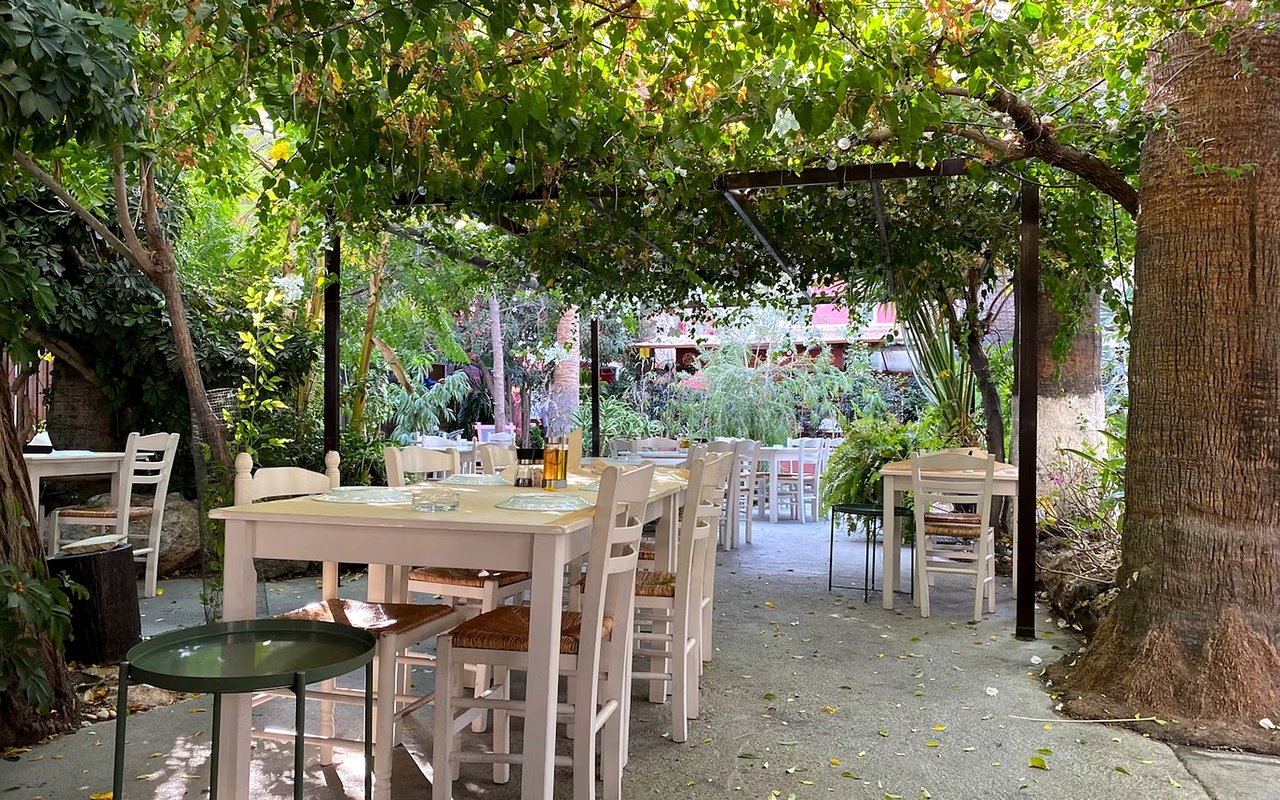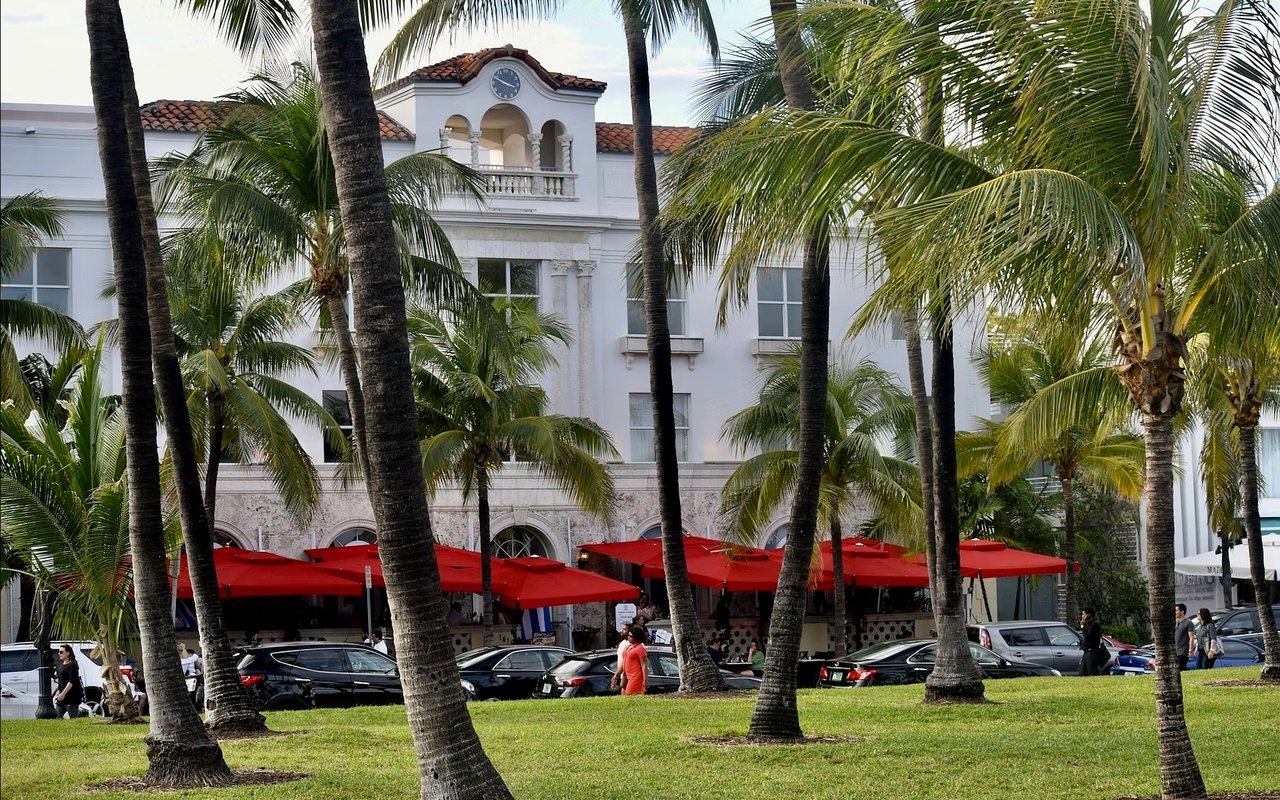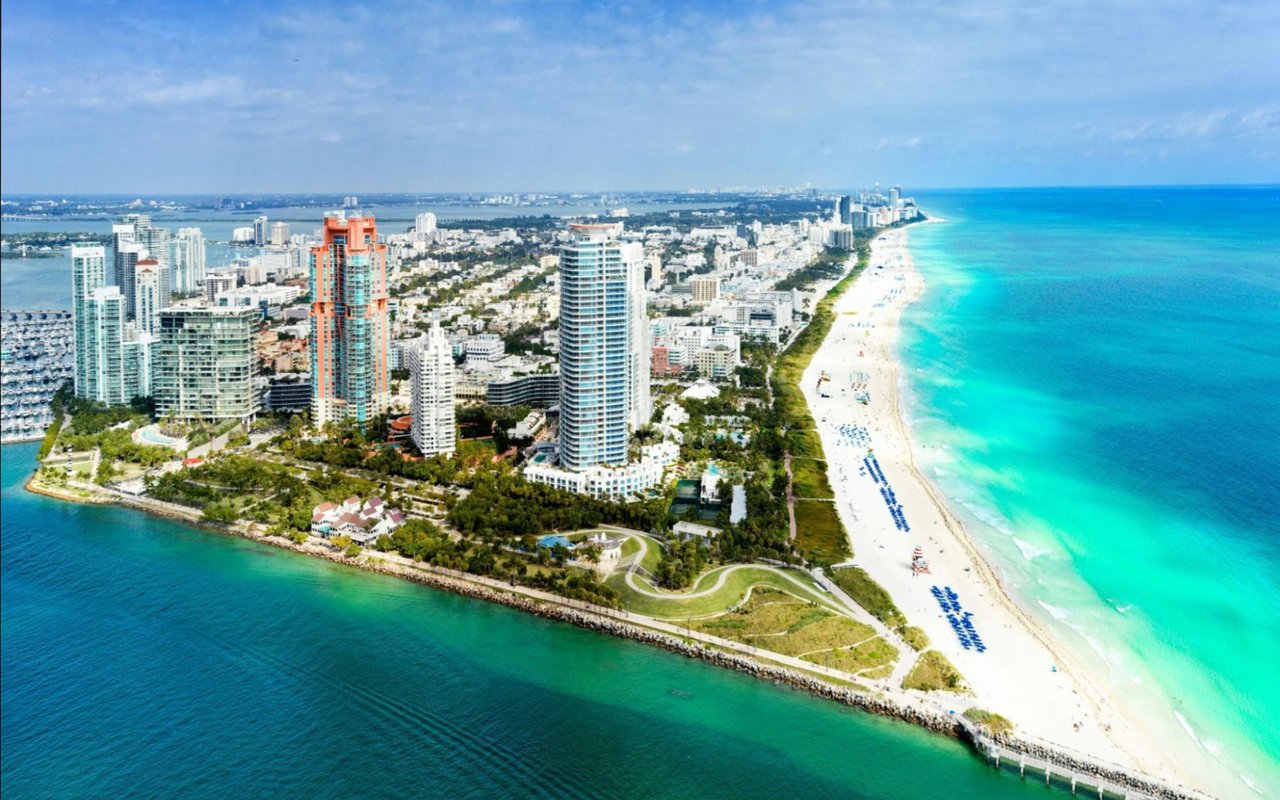
Walk down to the Washington Avenue entrance of South Pointe Park on the first Sunday of the month and, until recently, you'd have found tents. Bakers with trays of pain au chocolat, a flower stand, someone selling bonsai out of a folding table, the whole ocean-adjacent scene the French American Association of Crafts and Trades built into a genuine habit for the neighborhood. This August, the tents aren't there. The French Market wrapped its season on May 31 and, going by the rhythm it's kept since its April 2025 launch, won't reappear until fall. If you've been planning your Sunday morning around it, you're not imagining the gap.
That gap is a small thing. But it's a useful entry point into a bigger one, which is that South of Fifth's food scene isn't simply adding restaurants this year. It's sorting itself into two very different bets about what the neighborhood actually needs, and the person who made the more interesting of those two bets is the same person who helped create the problem he's now fixing.
The corner that stopped being Prime Fish
For a decade, 100 Collins Avenue was Prime Fish, restaurateur Myles Chefetz's seafood spot and a sister property to his Prime 112 and Prime Italian a few blocks away. In 2024, Chefetz closed it. Not because it was failing, but because he'd concluded the neighborhood he'd spent nearly thirty years building a restaurant portfolio in had a supply problem at the top of the market and a shortage everywhere else.
The corner is now home to Motek, the Mediterranean, all-day restaurant chain that opened its South of Fifth location in November 2024 and has since become the neighborhood's answer to a question nobody was asking out loud: where do you eat here if you don't want to spend $100 a person on a Tuesday. Chefetz explained the decision to Commercial Observer at the time in terms that read less like nostalgia and more like a market correction he'd decided to run himself:
"This neighborhood has been flooded with high-check average restaurants in the over the $100 price point, and Motek affords an all-day eatery."
That's a striking thing for a restaurant owner to say about his own neighborhood, especially one where he owns several of the restaurants responsible for that price creep. Carbone had opened in 2021 to instant, hard-to-book status. Catch signed a 22,000-square-foot lease in 2022. Gordon Ramsay's Lucky Cat landed next door to the Michelin-starred Stubborn Seed. Chefetz wasn't describing a rival's mistake. He was describing his own strip, and choosing to be the one who broke the pattern, with a menu built around a $14 falafel sandwich and an $18 shakshuka instead of another tasting menu.
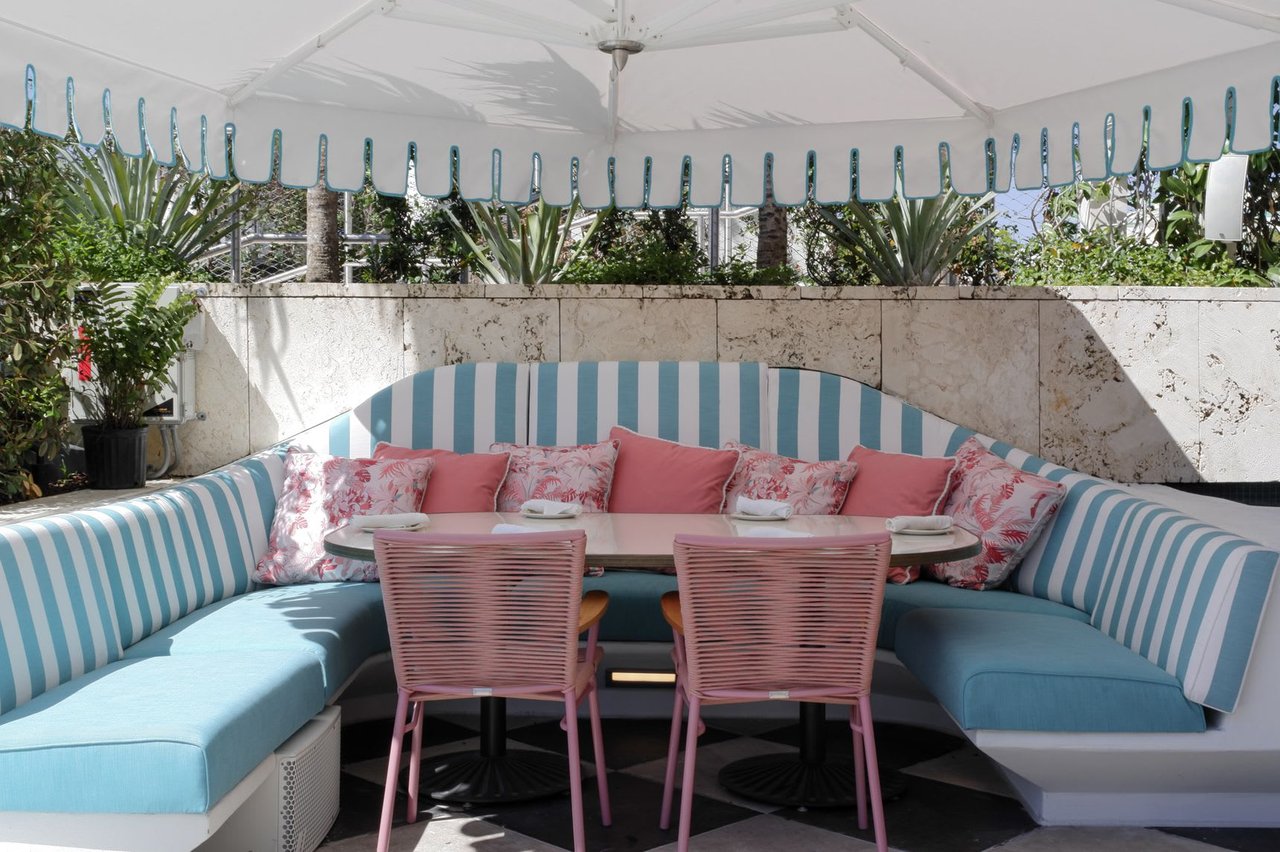
The space itself keeps a foot in both worlds. It has 5,000 square feet of indoor dining and 2,500 outside, five distinct dining areas, and a Shabbat table that seats twenty, which tells you the ambition here was never "cheap." It was "accessible," in a neighborhood that had quietly stopped offering that as an option.
The debut that leaned the other way
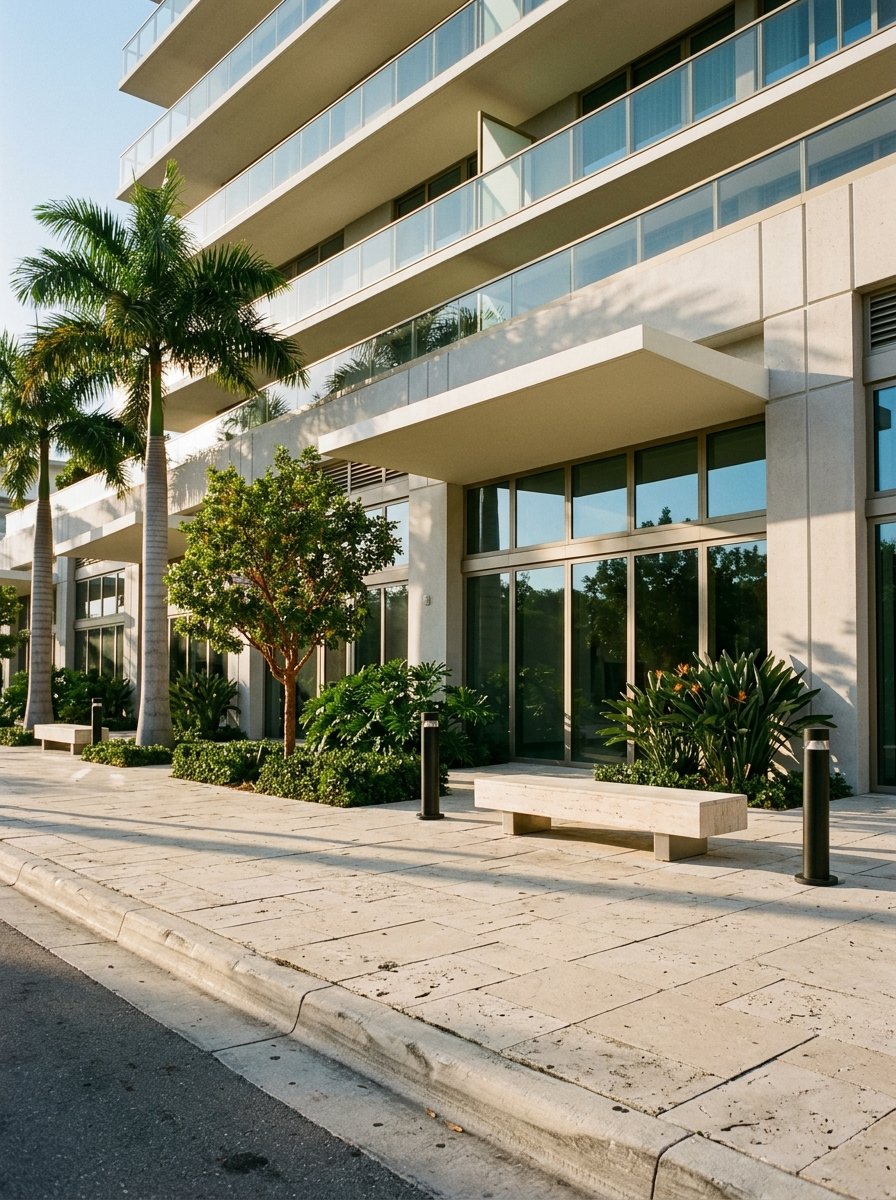
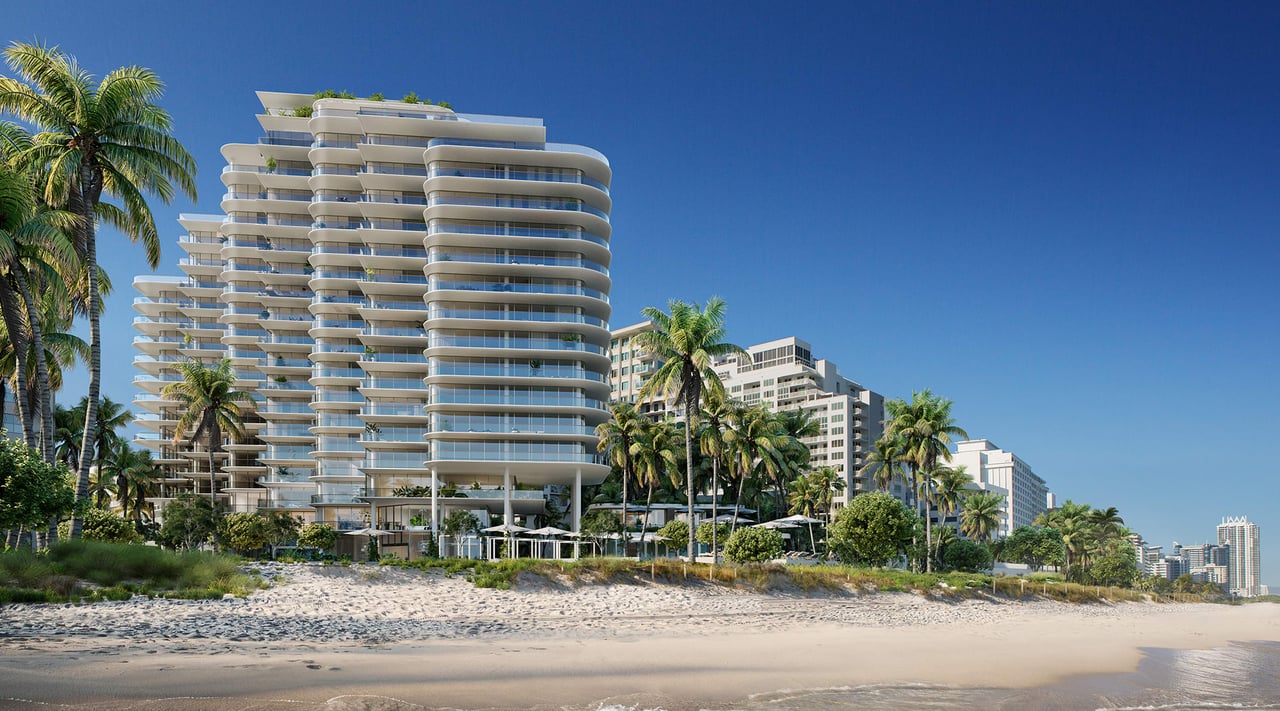
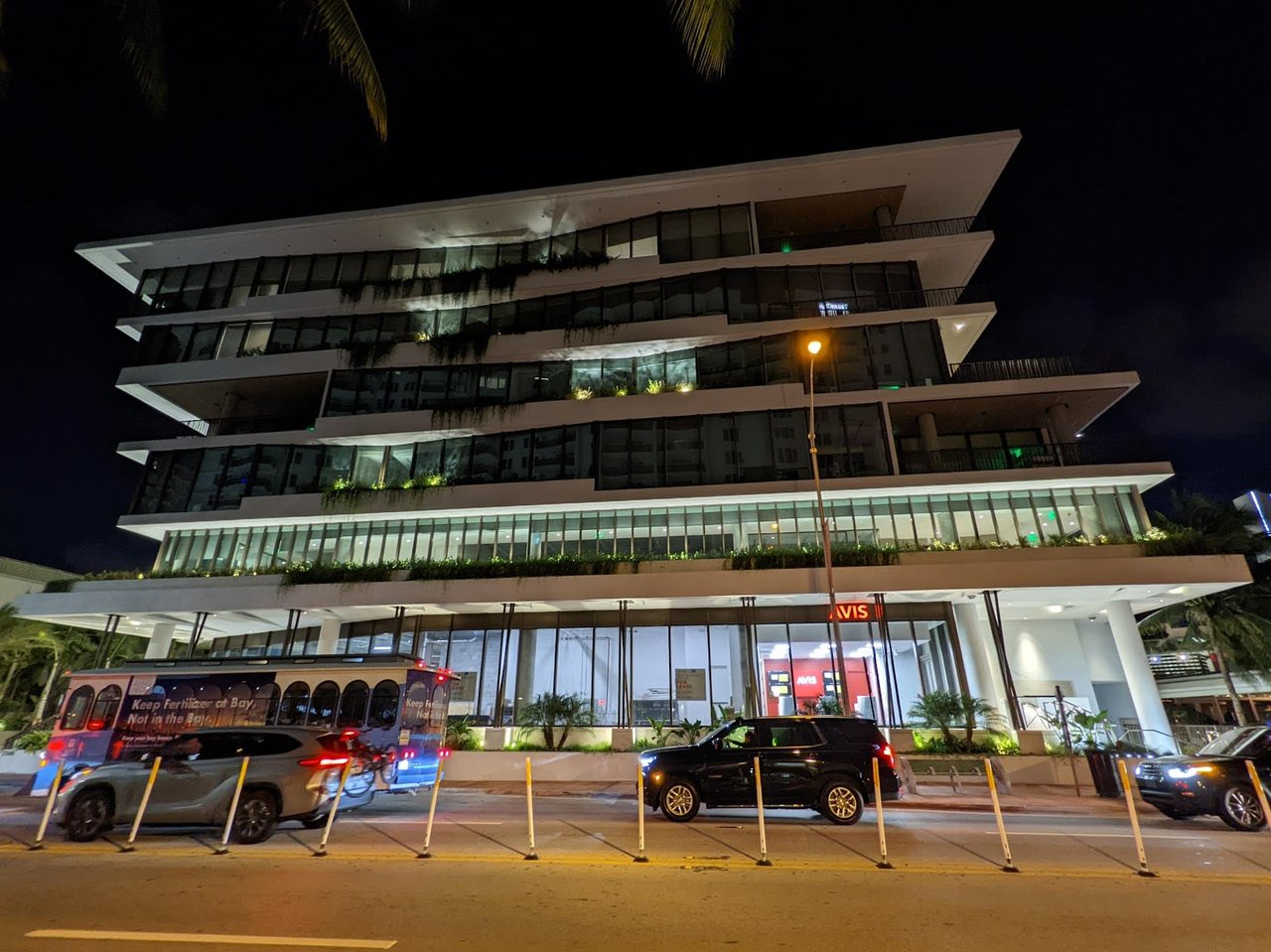
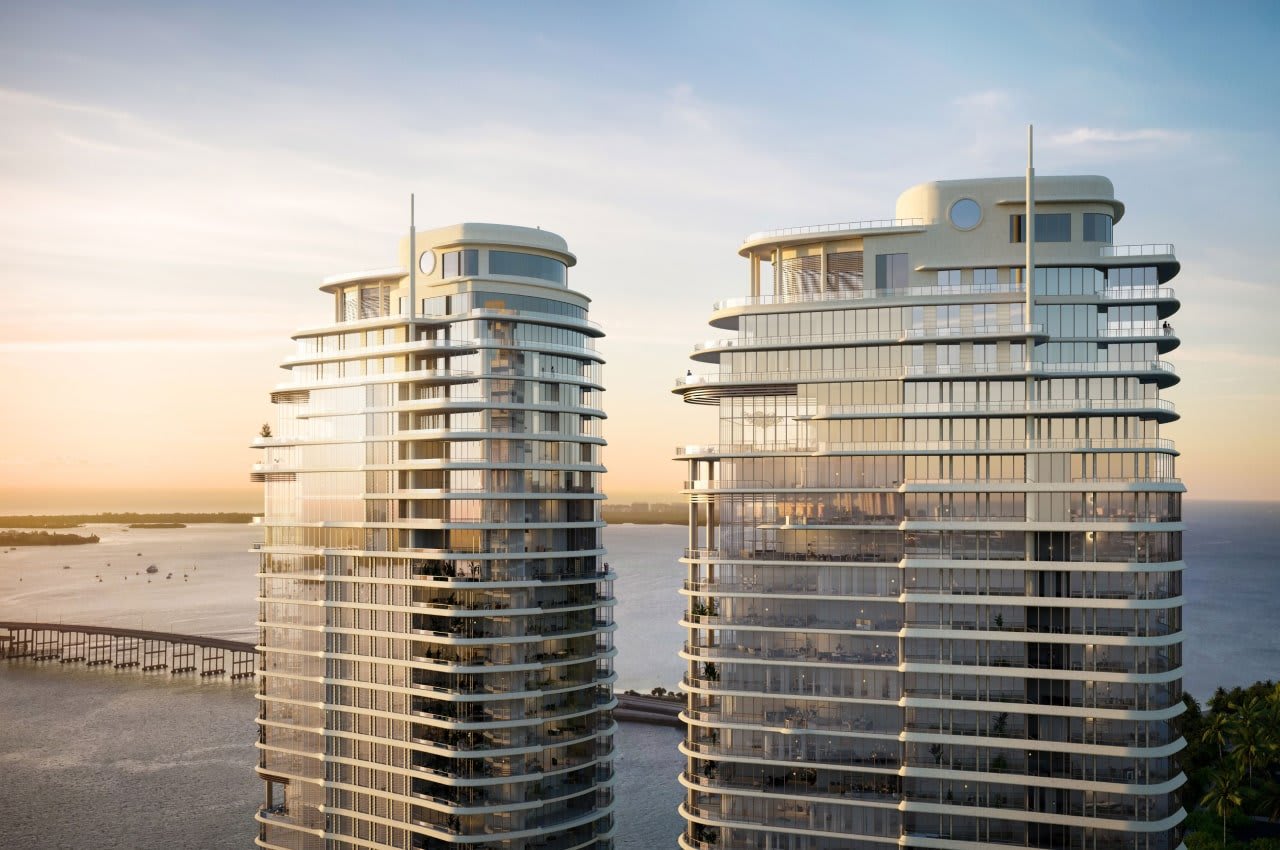
If Motek is the correction, GAIA Miami is the neighborhood doubling back down on its old instincts. The Dubai-born Greek Mediterranean concept, with existing locations in Monaco, London, Doha and Marbella, made its first U.S. appearance on April 28, 2026, at 801 South Pointe Drive, taking the ground floor of the Marea building a few blocks from where Motek sits. It is not trying to solve an affordability gap. Its 9,160-square-foot dining room and 731-square-foot terrace, designed by Richard Saunders of First Within with a wraparound glazed facade and a reception framed in bubble glass meant to evoke Mediterranean waves, seats 200 and was built for exactly the audience its opening night drew. Pat Riley, Jorge Perez, Kevin Love, Caroline Wozniacki, Dave and Isabela Grutman, and Bethenny Frankel were among the guests before the restaurant even opened to the public.
The menu leans into raw bluefin tuna with caviar and a sea bream carpaccio finished with lemon, mandarin and truffle, which is a fair distance from Motek's falafel sandwich. That's the point. Both restaurants opened within eighteen months of each other, on streets a short walk apart, and they represent opposite answers to the same observation: South of Fifth's dining scene had gotten lopsided. Chefetz saw the lopsidedness as a gap to fill with something more casual. GAIA's backers saw it as proof the neighborhood could support one more restaurant at the very top, and brought celebrity chef Izu Ani and a design team built for it.
Late this year, a third data point arrives at the edge of the neighborhood. Sant Ambroeus, the Milanese cafe and restaurant brand, is set to open a 7,000-square-foot location at The Fifth Miami Beach, the office building at 950 Fifth Street right on SoFi's northern boundary. It won't be inside the neighborhood in the way Motek and GAIA are, but it's close enough that residents will feel its arrival, and its all-day format, breakfast through dinner, sits closer to Motek's model than GAIA's.
What this actually tells you about the neighborhood
None of this is really about restaurant openings for their own sake. It's a signal about how a small, dense, extremely expensive strip of Miami Beach reads its own market. South of Fifth has spent years accumulating high-check destinations, the kind that get written up nationally and booked out weeks in advance. What changed in 2024 and 2026 is that the neighborhood's most established restaurateur decided the accumulation had gone far enough in one direction to need a deliberate push back the other way, while an international group with no prior footprint in Miami decided the top end still had room to grow. Both bets are still running. Neither has been proven wrong yet.
For a resident, the practical read is simpler: your options actually expanded this year in both directions rather than just piling up in the same price bracket. If you want a fast, unfussy dinner most nights, Motek exists specifically because someone with three decades in the neighborhood thought that option was missing. If you want a special-occasion seafood dinner with a scene attached to it, GAIA exists because a group with five restaurants across Dubai, Monaco, London, Doha and Marbella decided Miami was worth becoming its sixth, and its first stop in the United States. And if your Sunday routine has quietly had a French Market-shaped hole in it since June, that's not a permanent shift. Organizers billed May 31 as the last market of the season, the same first-Sunday cadence the event has kept since its April 2025 launch, which reads as a pause built into the calendar rather than a market that quietly folded.
The neighborhood isn't getting louder or quieter. It's getting more legible, if you know what you're looking at.
If you're weighing what any of this means for property in South of Fifth, or just want a local read on where the neighborhood's headed next, the APT Team knows this strip block by block. Let's Connect.