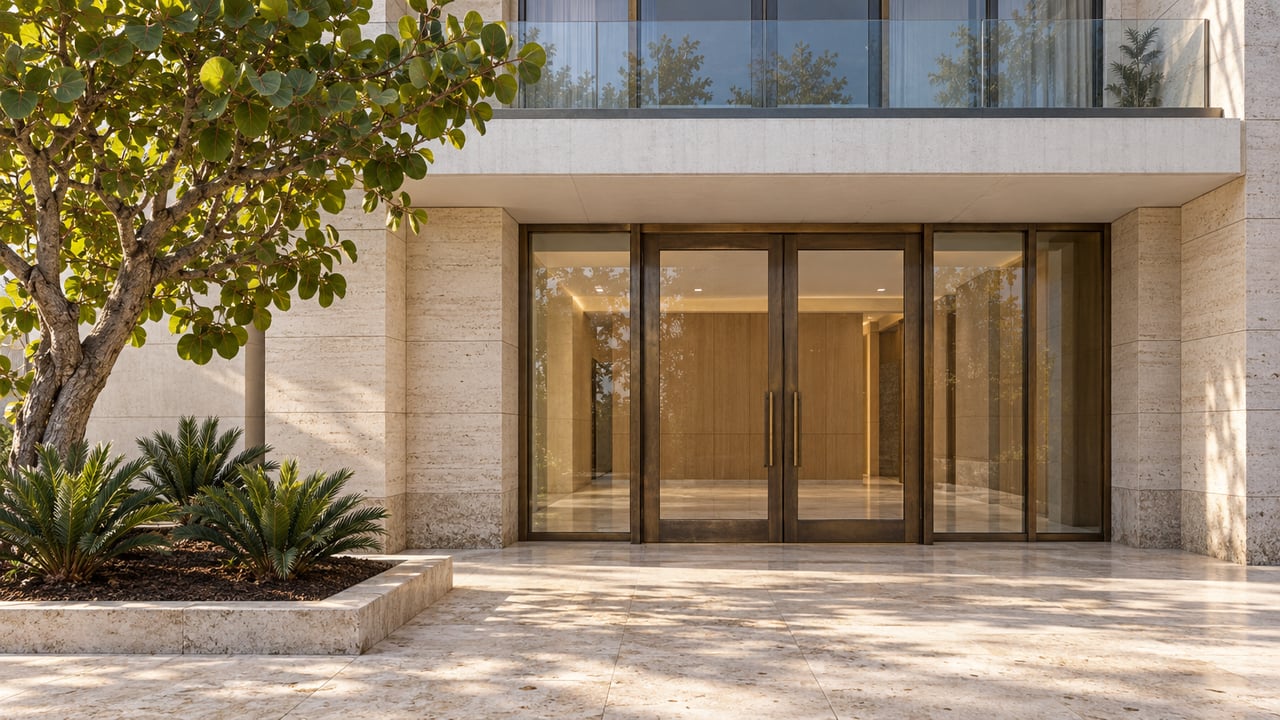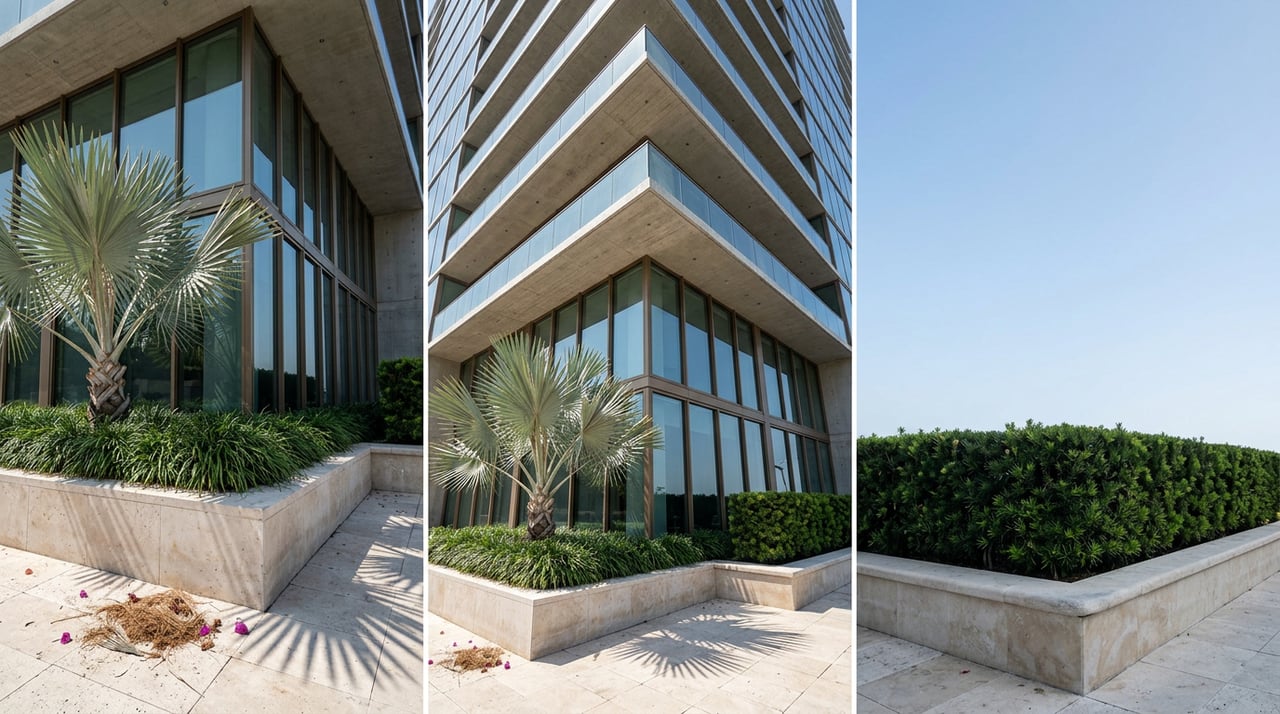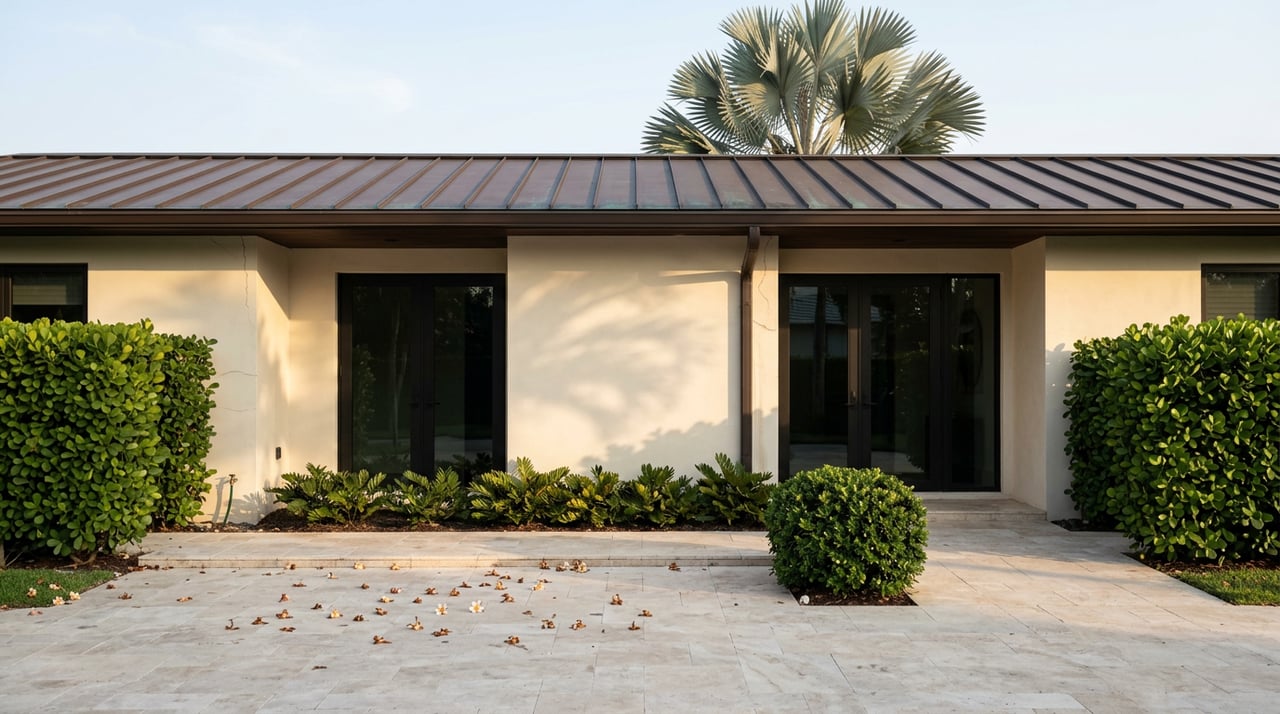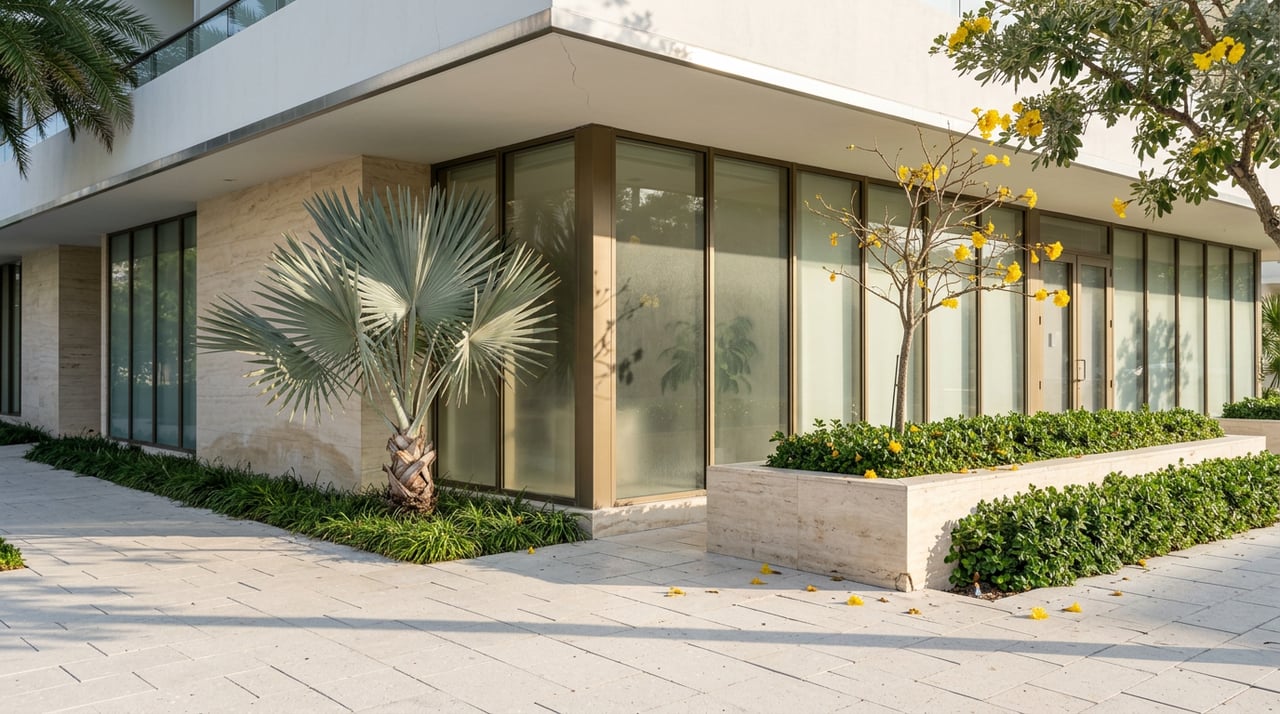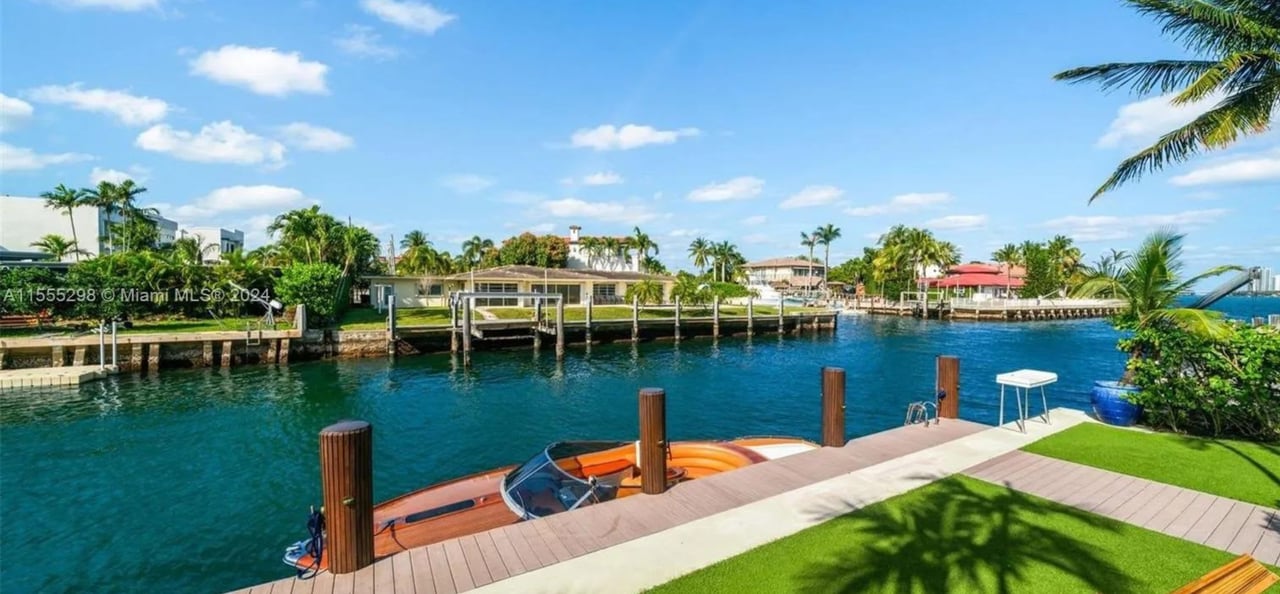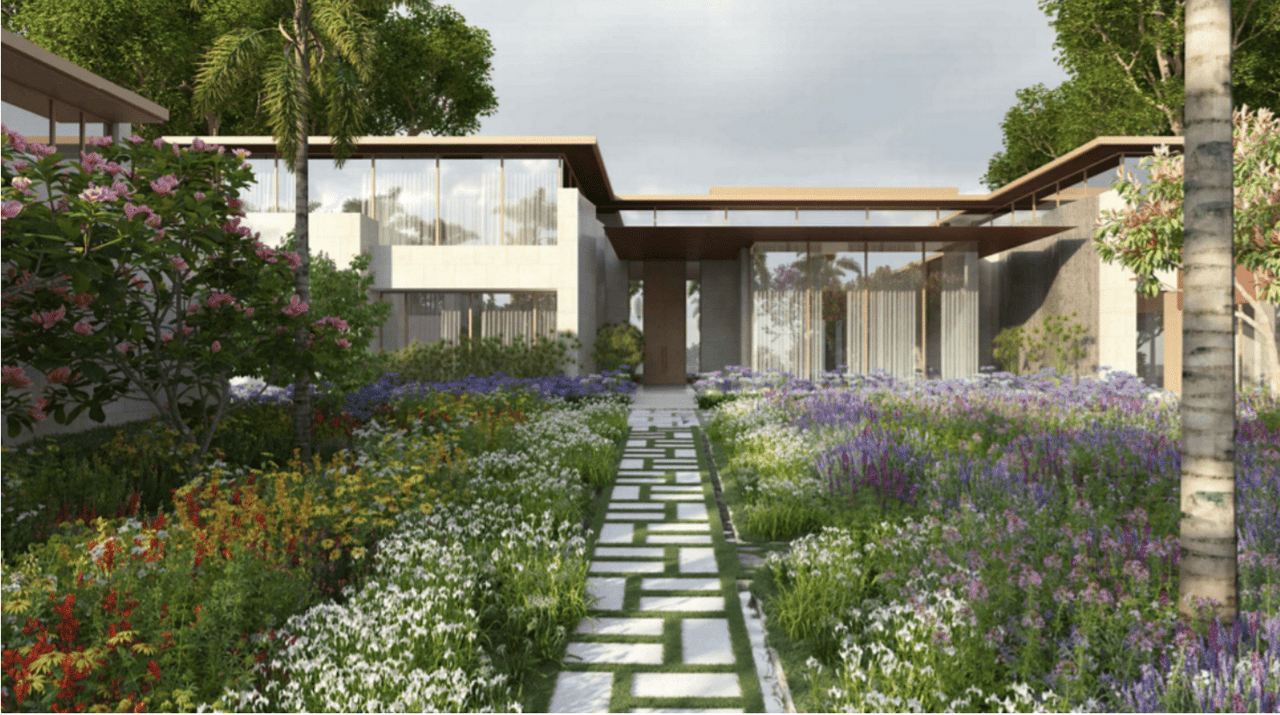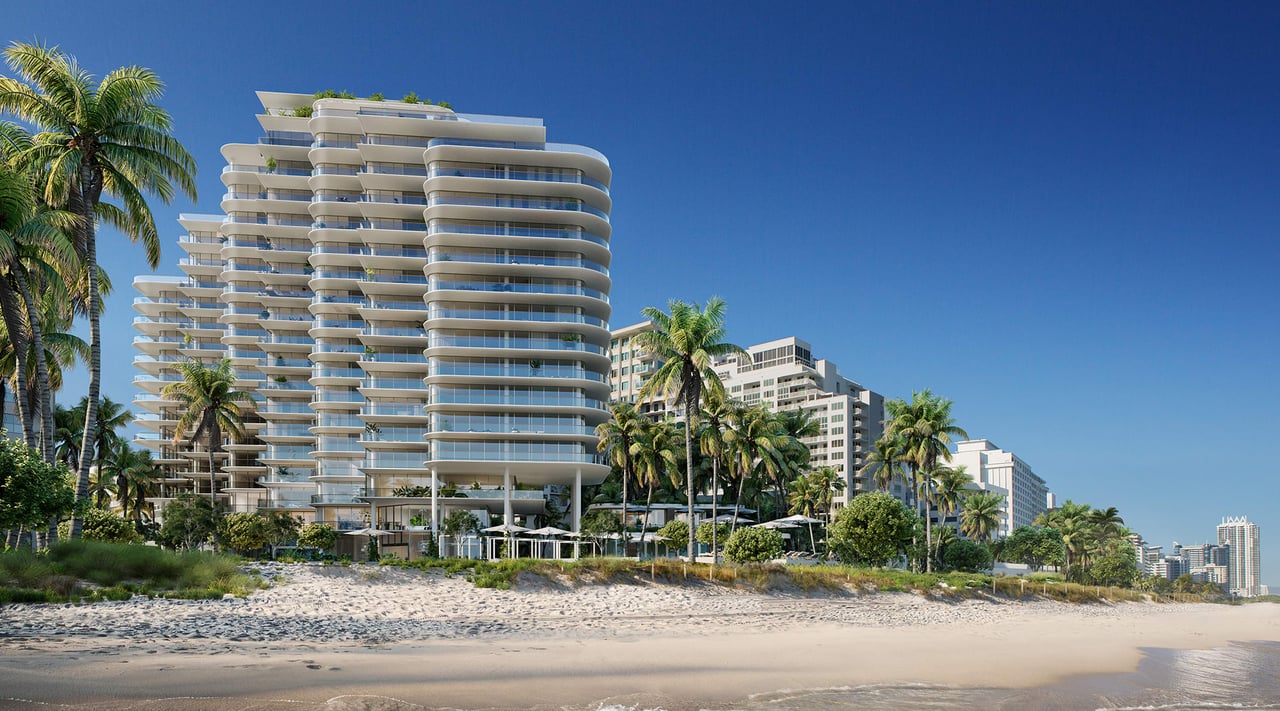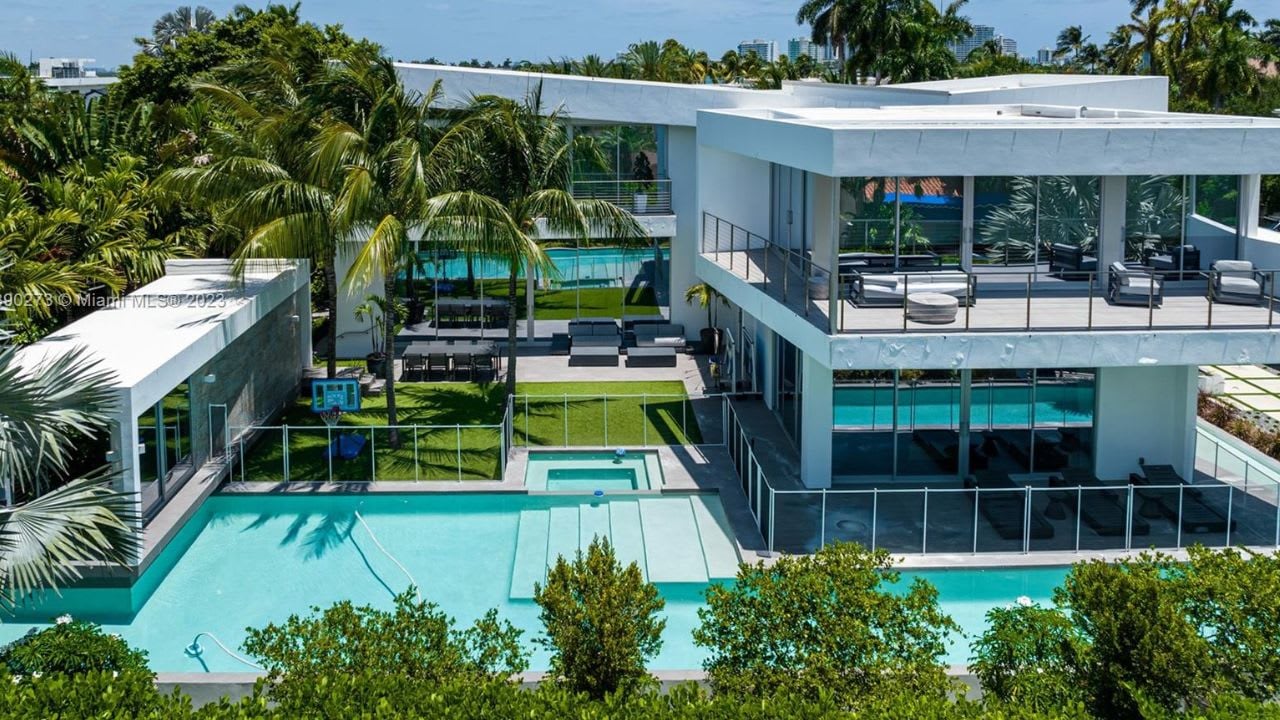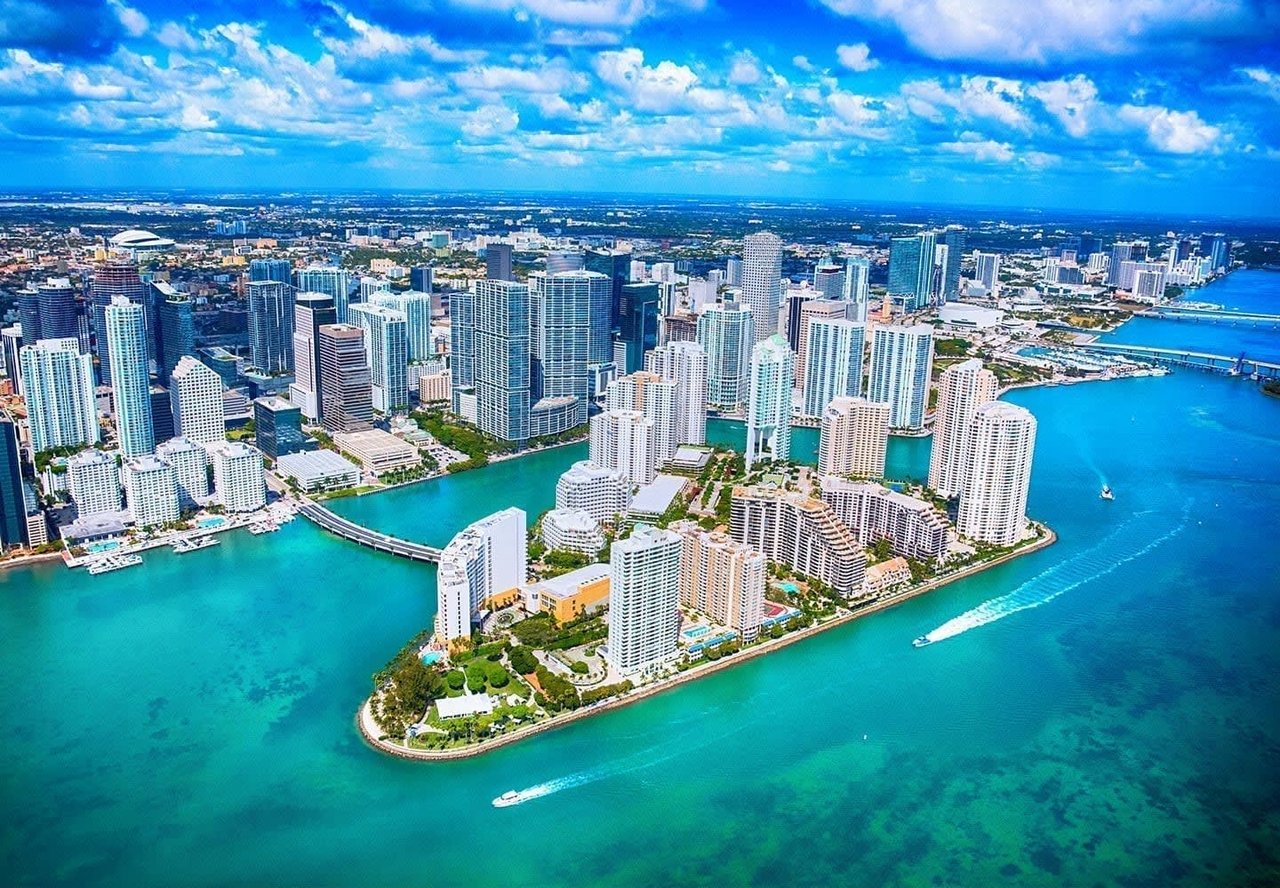
If you have ever walked through Coral Gables and felt like the homes were telling you something, you are not imagining it. In this market, architecture is more than curb appeal. It shapes how a home feels day to day, what maintenance it may need, and what changes you may be able to make in the future. If you are buying, selling, or simply trying to understand the housing stock, knowing the styles can help you read the market with more confidence. Let’s dive in.
Why architecture matters in Coral Gables
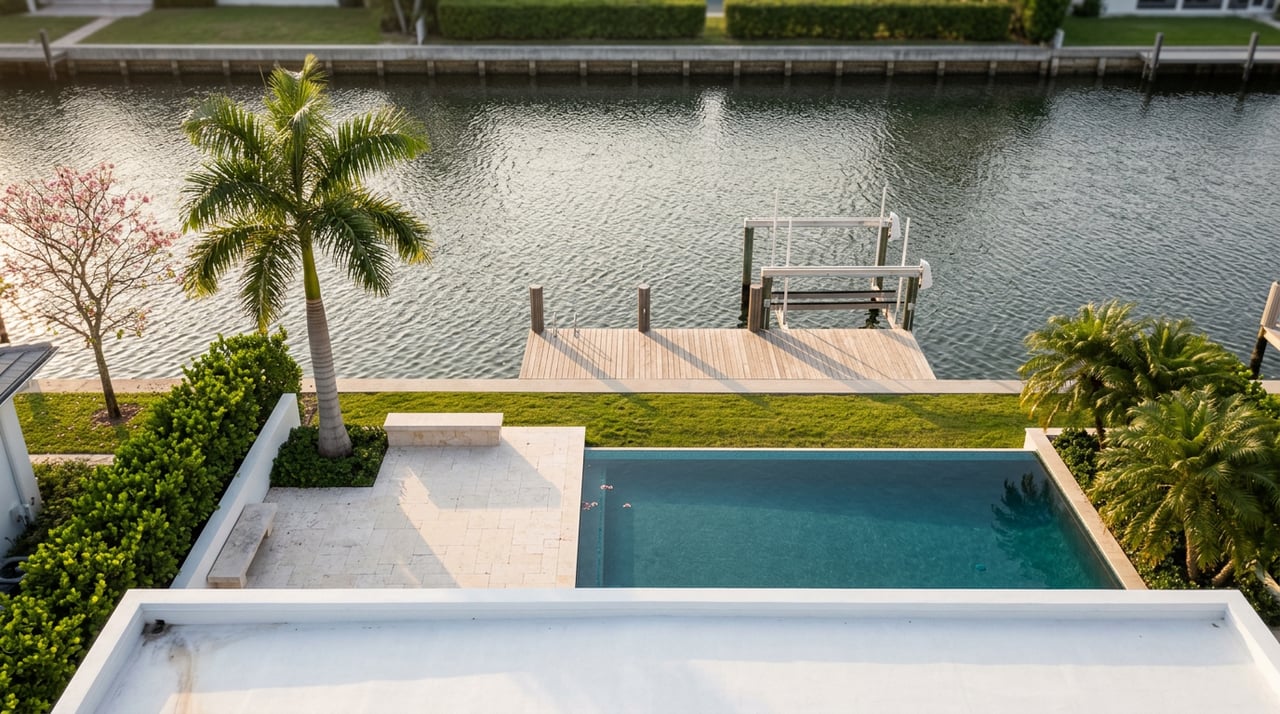
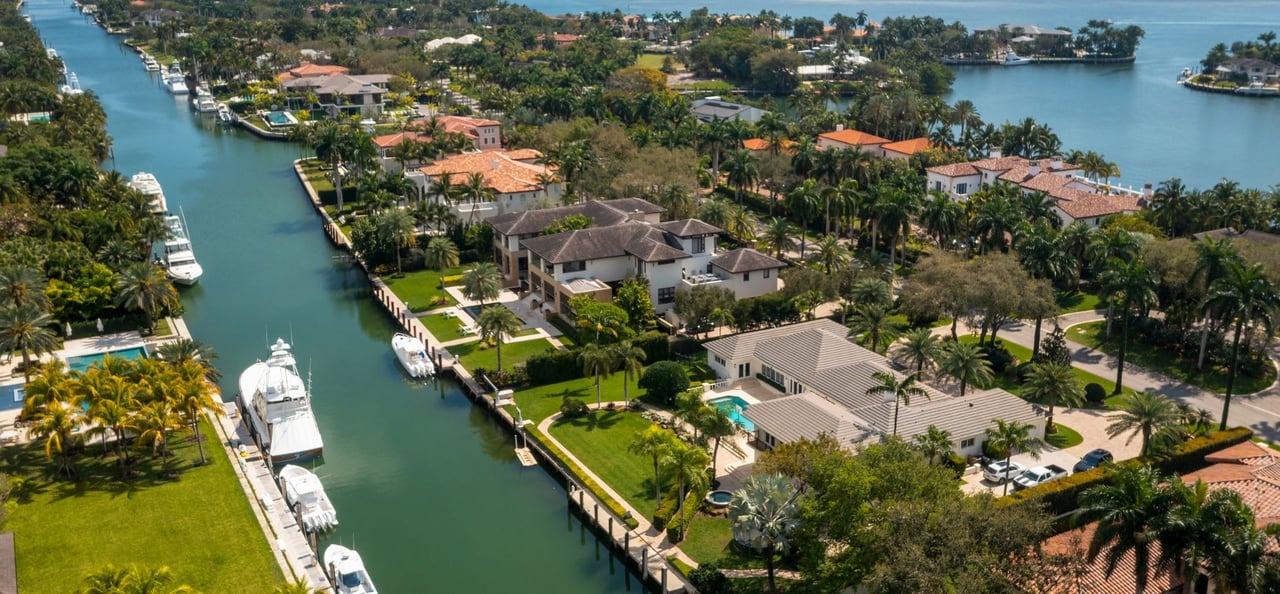
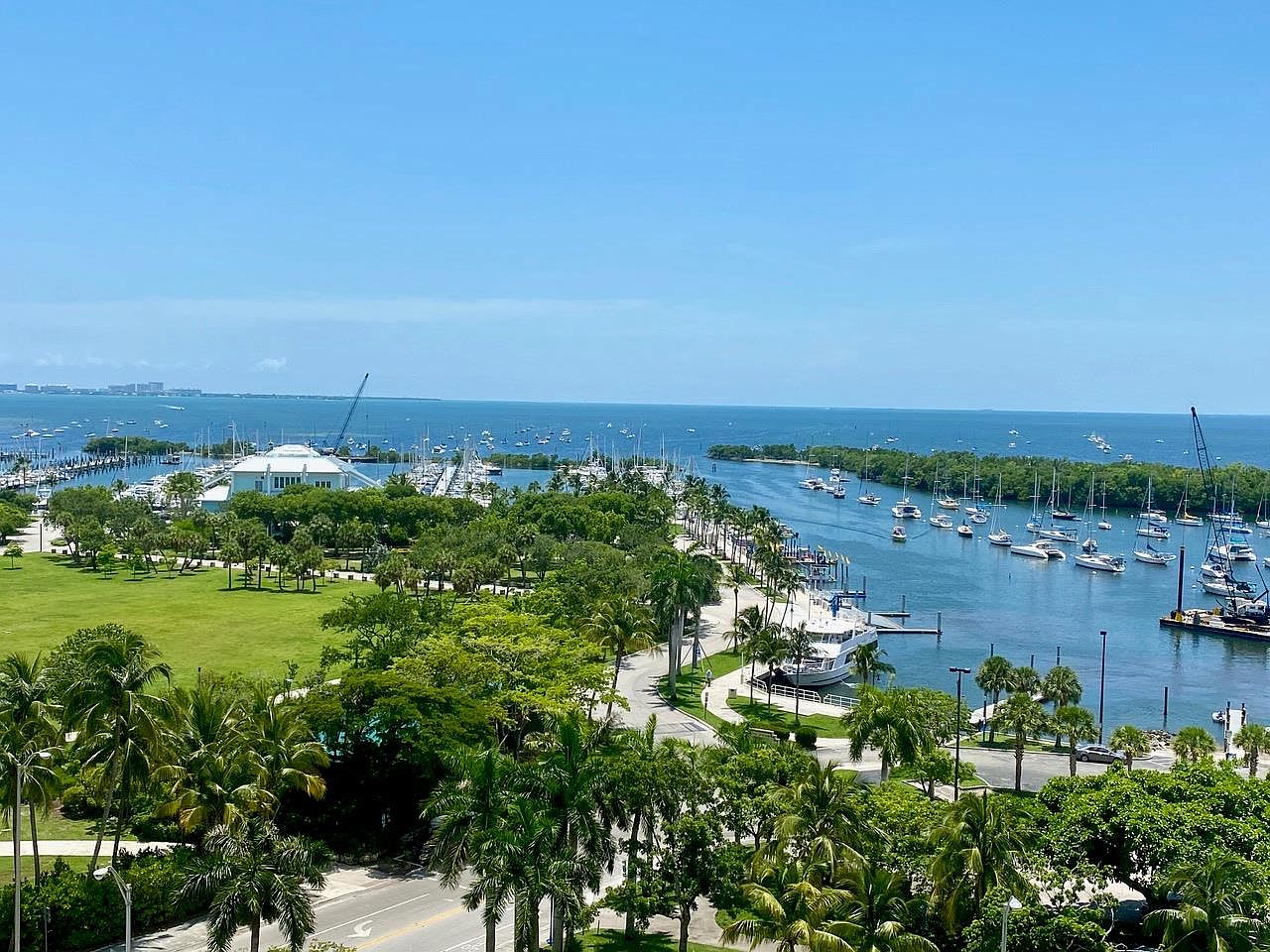
Coral Gables was planned with a clear vision that blended City Beautiful and Garden City ideas. Tree-lined avenues, civic landmarks, landscaping, and a strong Mediterranean design vocabulary were all meant to work together. That means homes here are not separate from their setting. In Coral Gables, the streetscape, shade, lot placement, and outdoor living spaces are part of the architectural story.
This design heritage still plays a major role in the local market today. The city has more than 1,000 properties on its Register of Historic Places, which shows how deeply design is tied to the identity of Coral Gables. For you as a buyer or seller, that makes style more than a visual preference. It can affect value, upkeep, and long-term planning.
The signature style: Mediterranean Revival
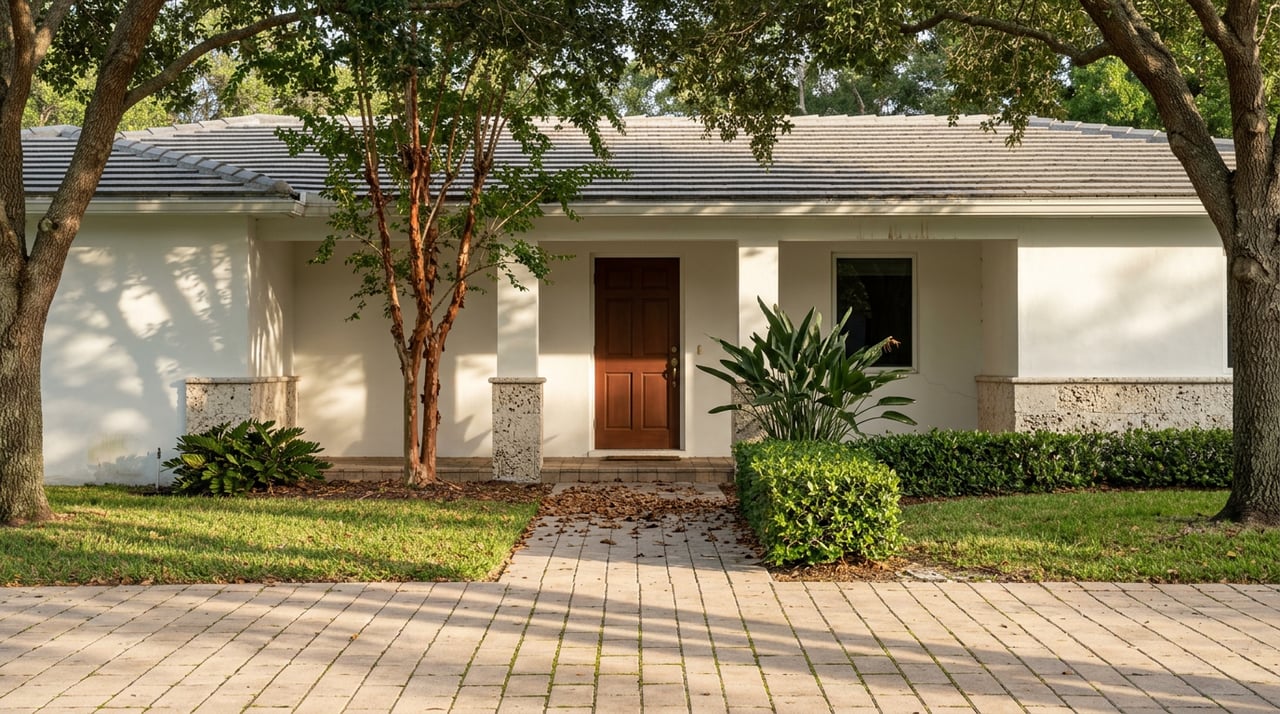
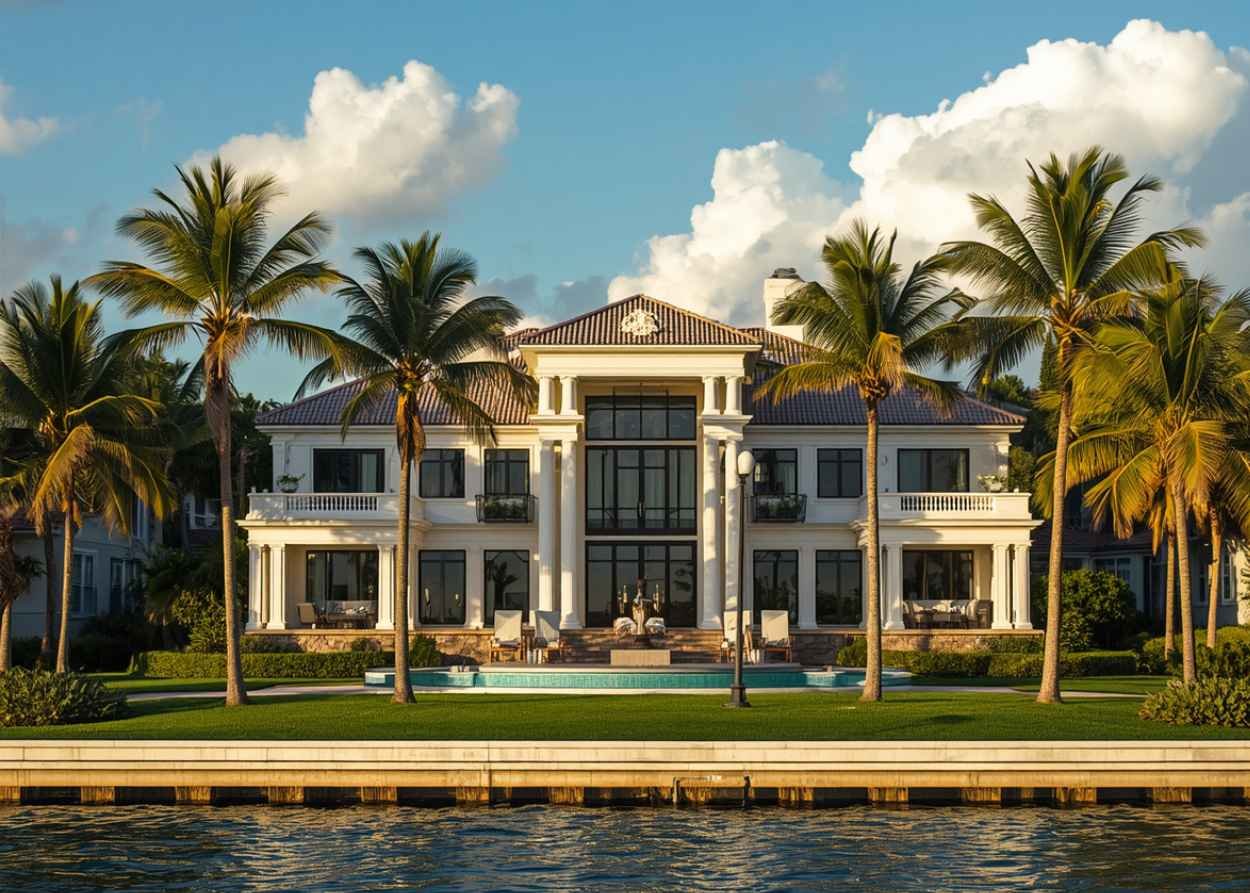
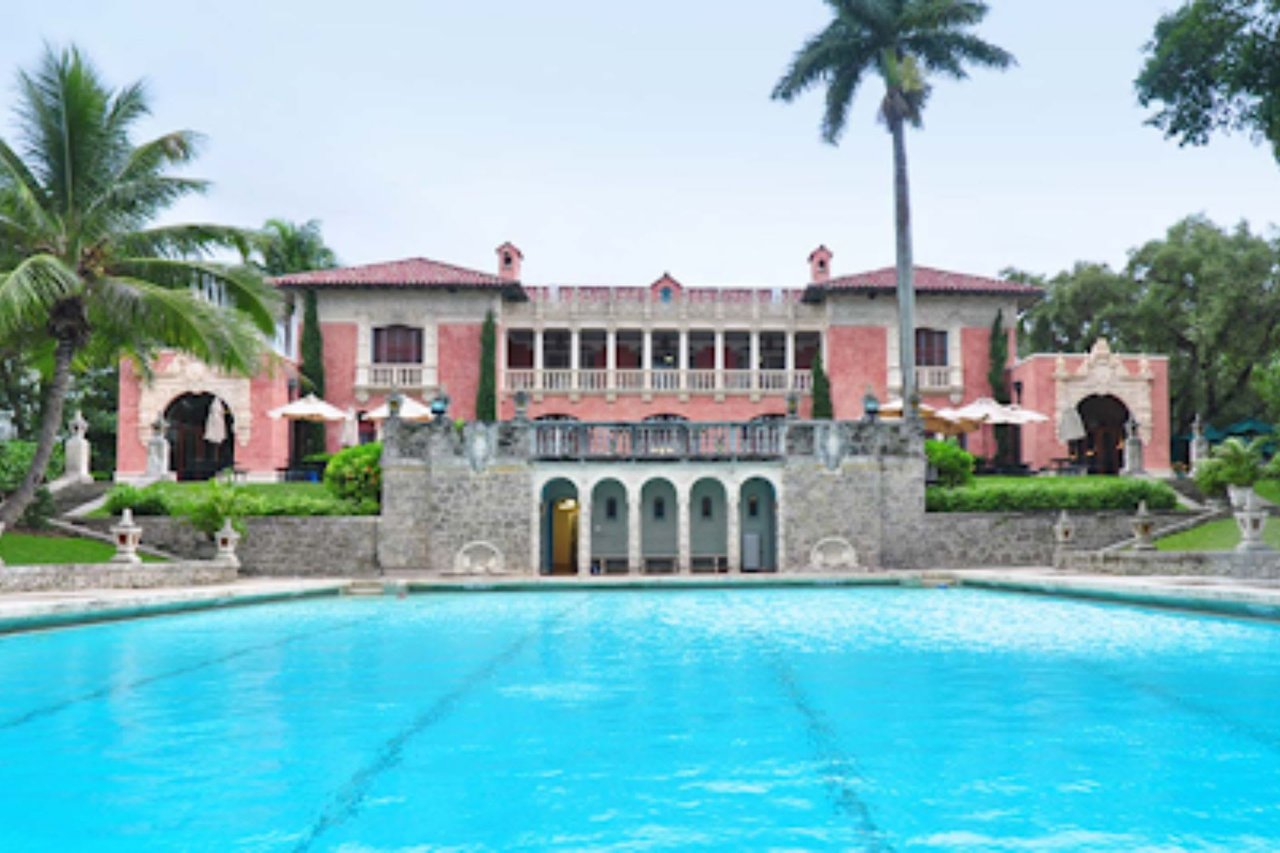
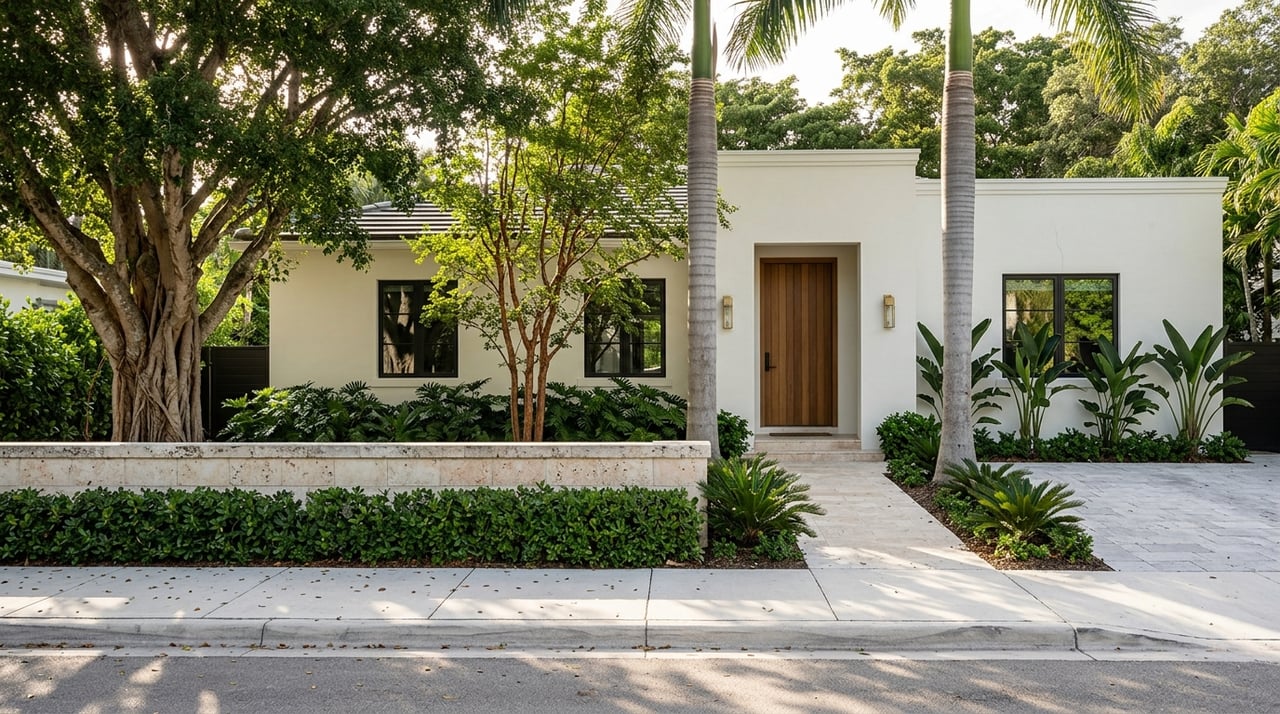
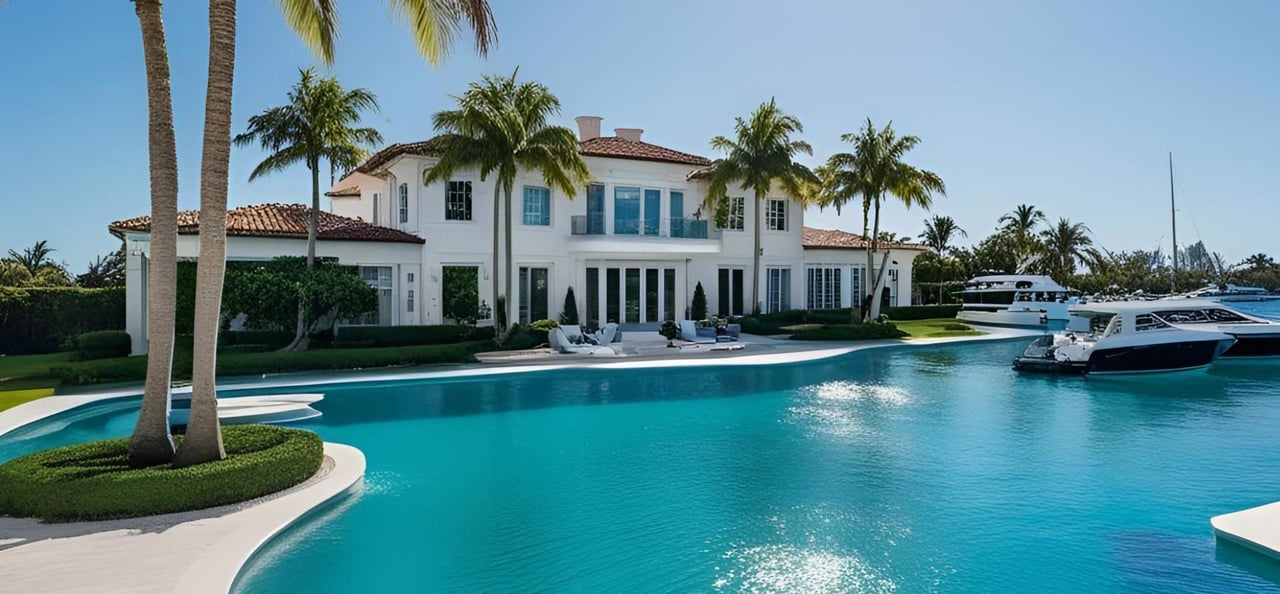
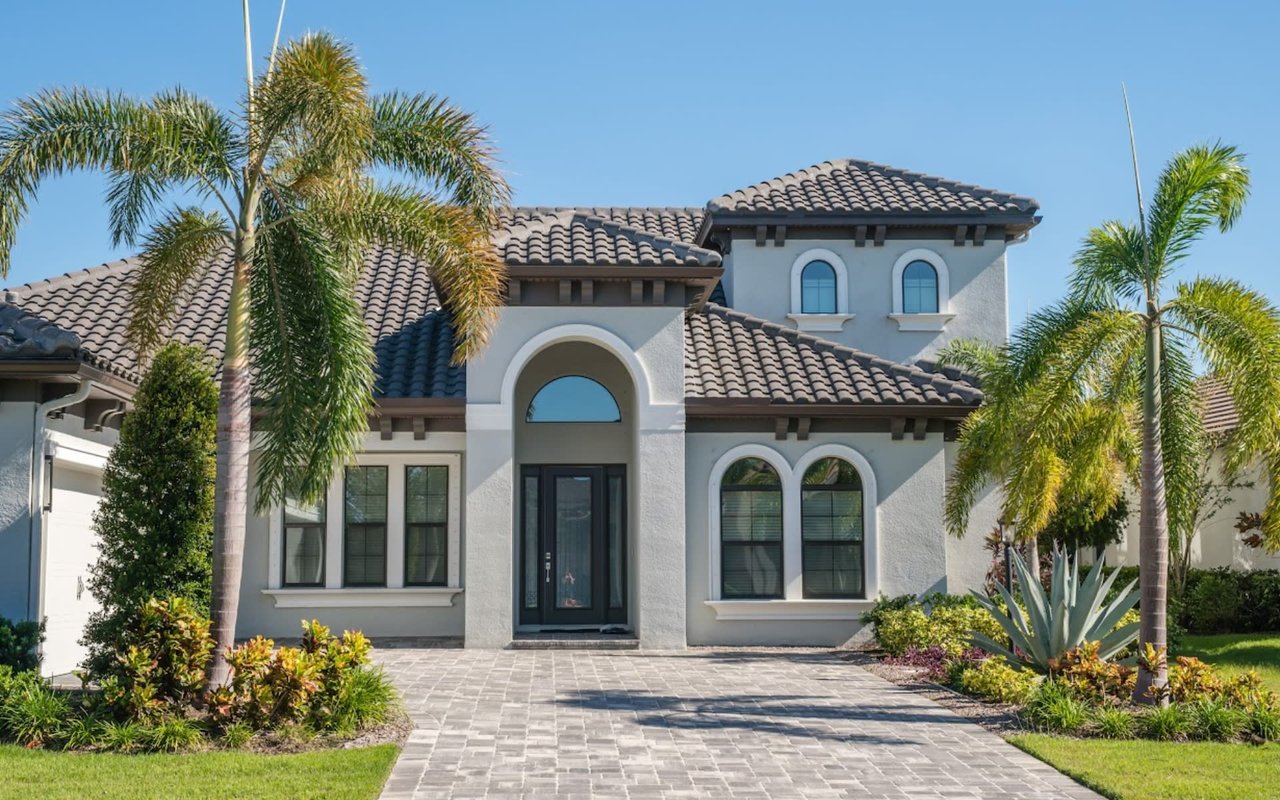
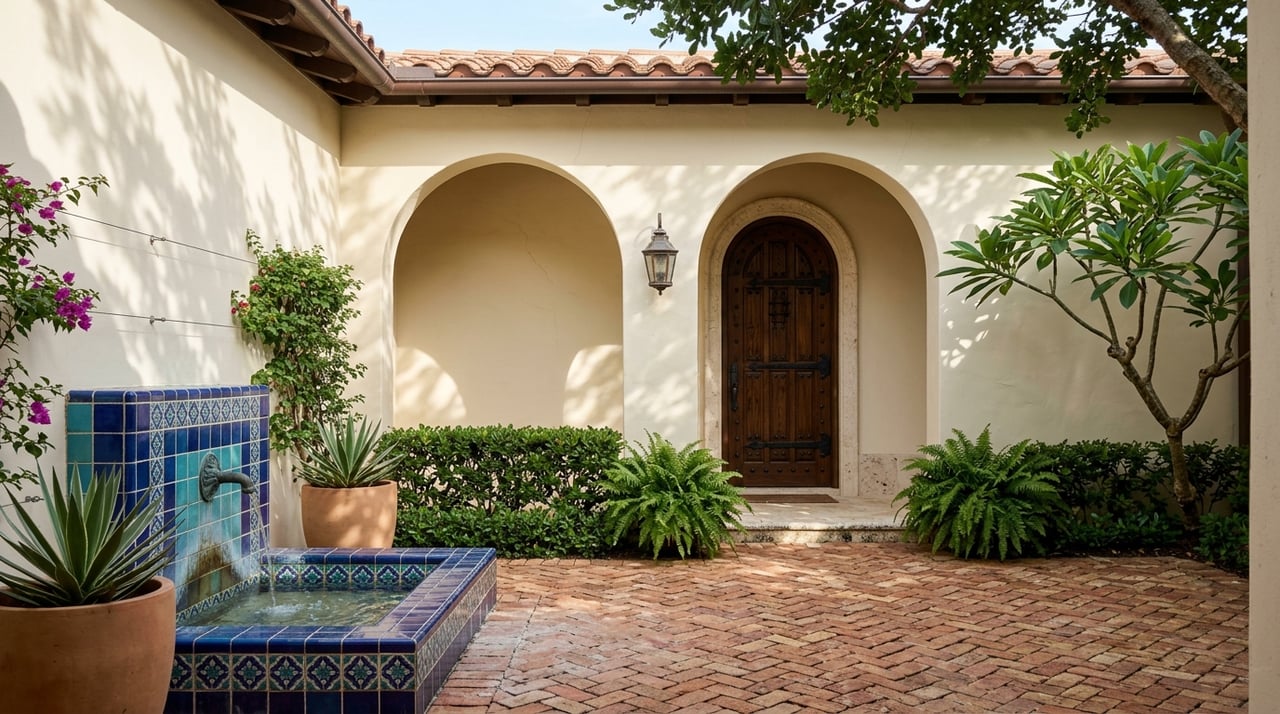
Mediterranean Revival is the style most people associate with Coral Gables. It reflects George Merrick’s original vision for the city and remains central to its visual identity. You will often see features like stucco walls, clay roof tiles, arches, courtyards, loggias, porches, and wrought iron details.
These homes were designed with South Florida’s climate in mind. Covered outdoor spaces, shaded thresholds, and ventilation-friendly layouts helped manage sun, rain, and airflow. In practical terms, that often means you get a home with more layered indoor-outdoor living rather than one big open interior.
For many buyers, the appeal is easy to understand. These homes often feel textured, established, and closely tied to the character of Coral Gables. They can also offer beautiful transitions between interior rooms and outdoor spaces, which is a major part of how the homes were meant to live.
What Mediterranean homes often mean for daily living
A historic Mediterranean home often has more defined rooms than a later mid-century or contemporary property. You may see formal living areas, separate dining spaces, and outdoor rooms that feel intentional rather than secondary. If you enjoy homes with character and strong architectural detail, this style can be especially rewarding.
The tradeoff is usually maintenance. Older stucco, roof tile, ironwork, wood details, and historic windows can require more careful attention over time. In a warm, humid climate like South Florida, weather sealing, moisture control, and routine upkeep matter a lot.
What buyers should look at closely
When you tour a Mediterranean Revival home, pay attention to:
- Roof age and overall roof condition
- Window and door sealing
- Signs of moisture intrusion
- Condition of stucco and wood elements
- Drainage around the home
- Usability of courtyards, porches, and shaded outdoor areas
These details can help you understand not just the home’s charm, but also how it may perform and what it may need after closing.
Beyond Mediterranean: Coral Gables has variety
Even though Mediterranean design defines much of Coral Gables, the city was also planned with intentional stylistic variety. Its historic villages introduced different architectural influences while still contributing to an overall sense of cohesion. That is one reason one part of Coral Gables can feel distinct from another without losing the broader identity of the city.
The city identifies styles such as Dutch South African, Chinese, French Normandy, Colonial or Florida Pioneer, French Country, French City, and Italian-inspired homes within these historic villages. For you, this means the market offers more range than many buyers expect. You can find different architectural personalities while still staying within a design-conscious environment.
Mid-century and postwar homes
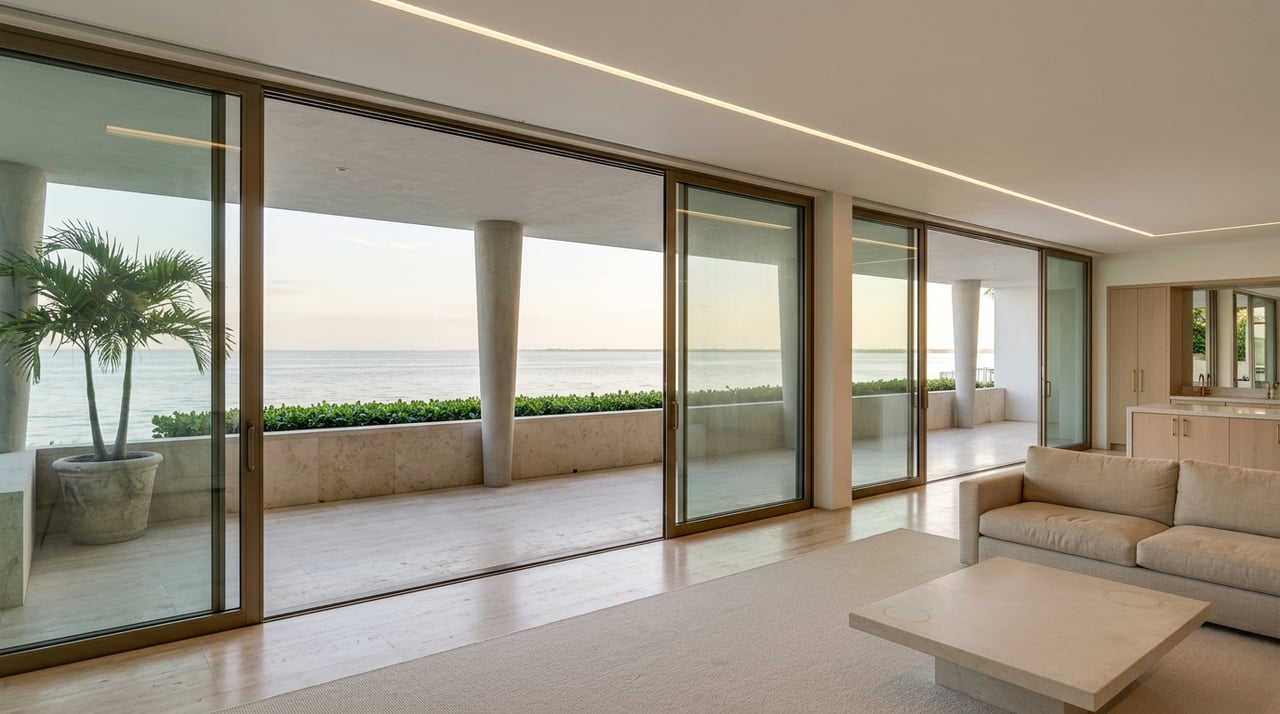
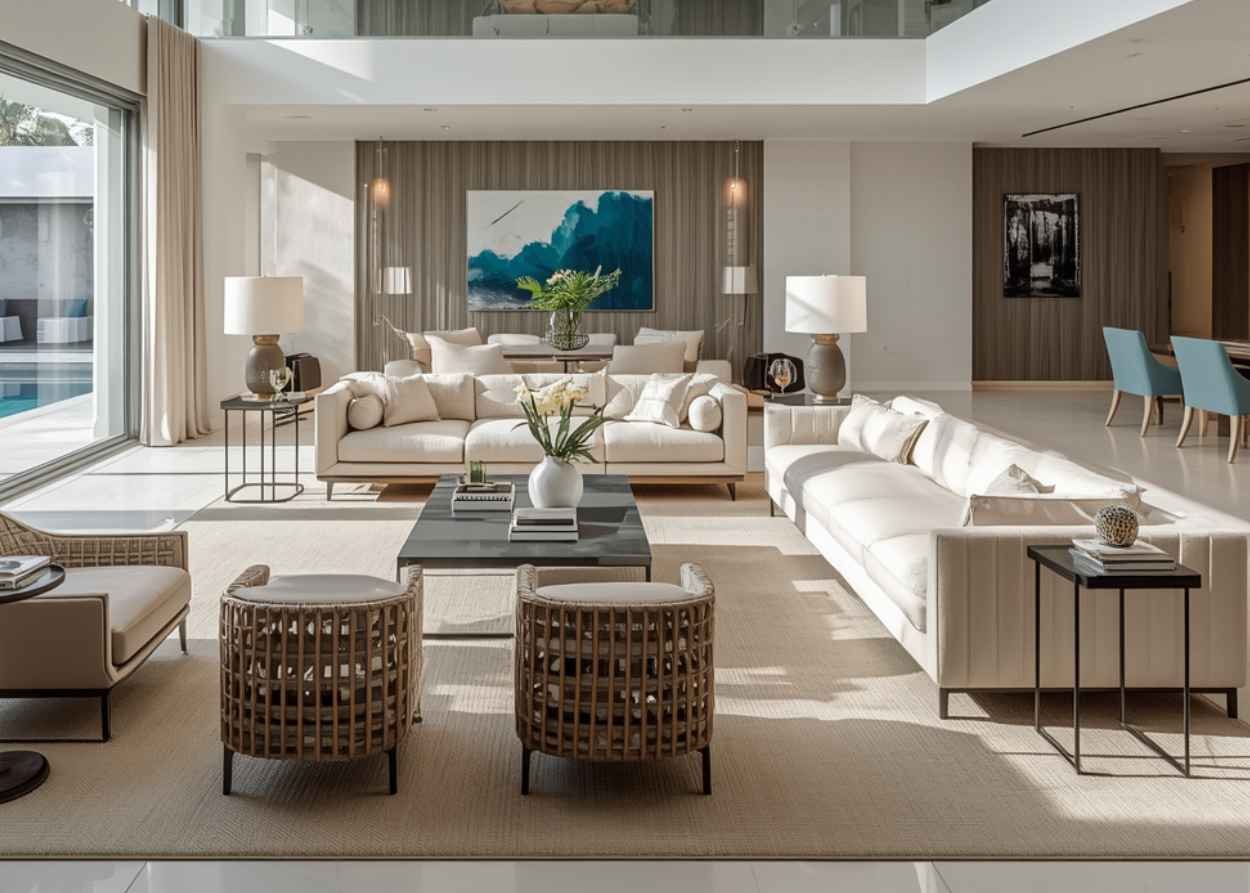
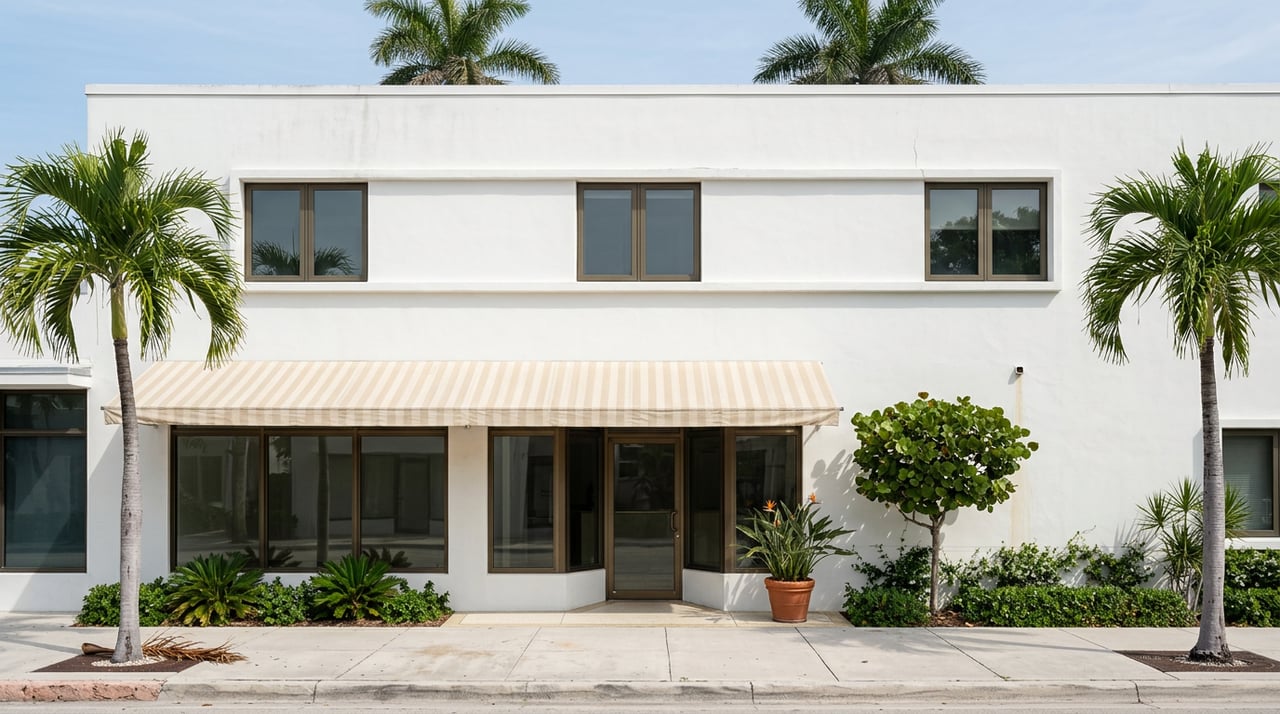
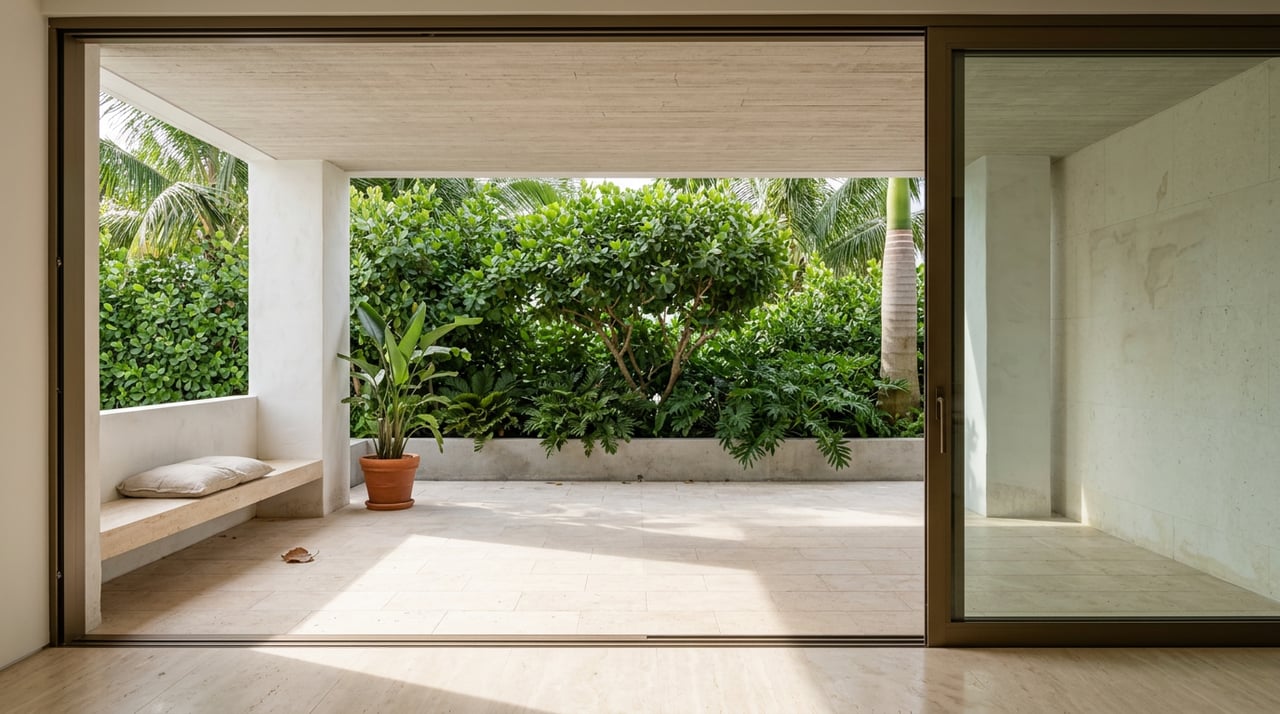
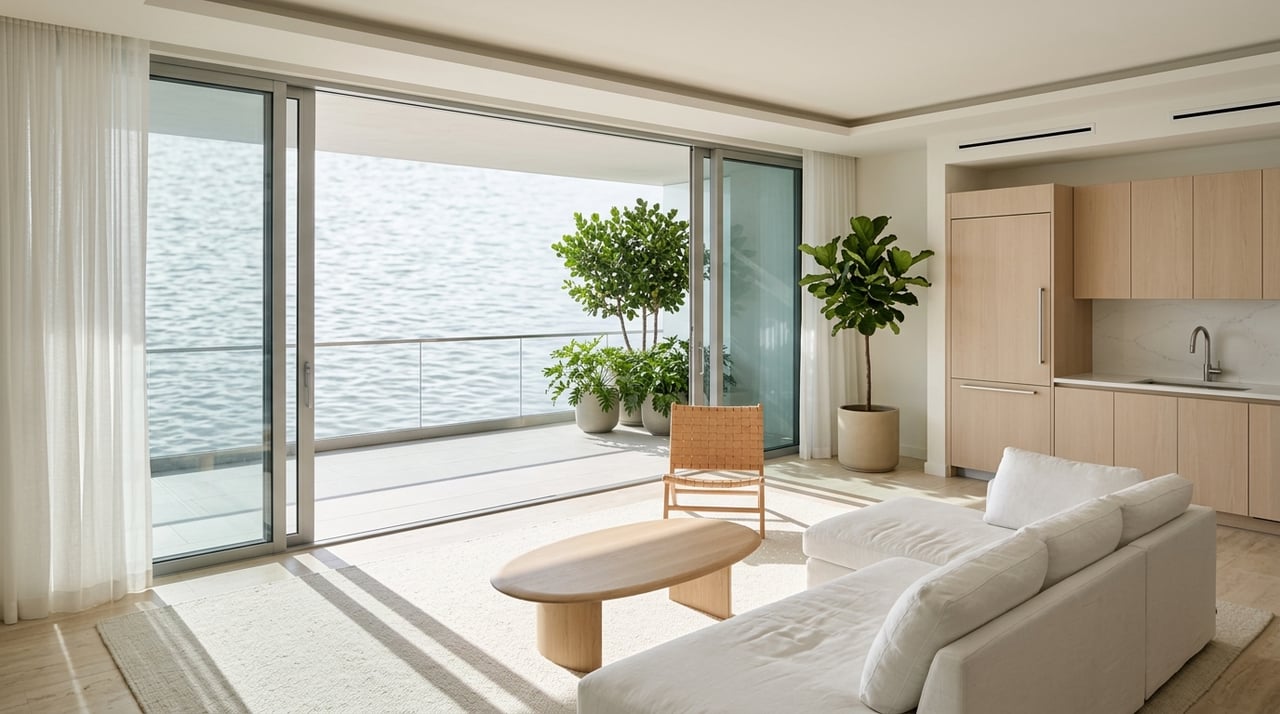
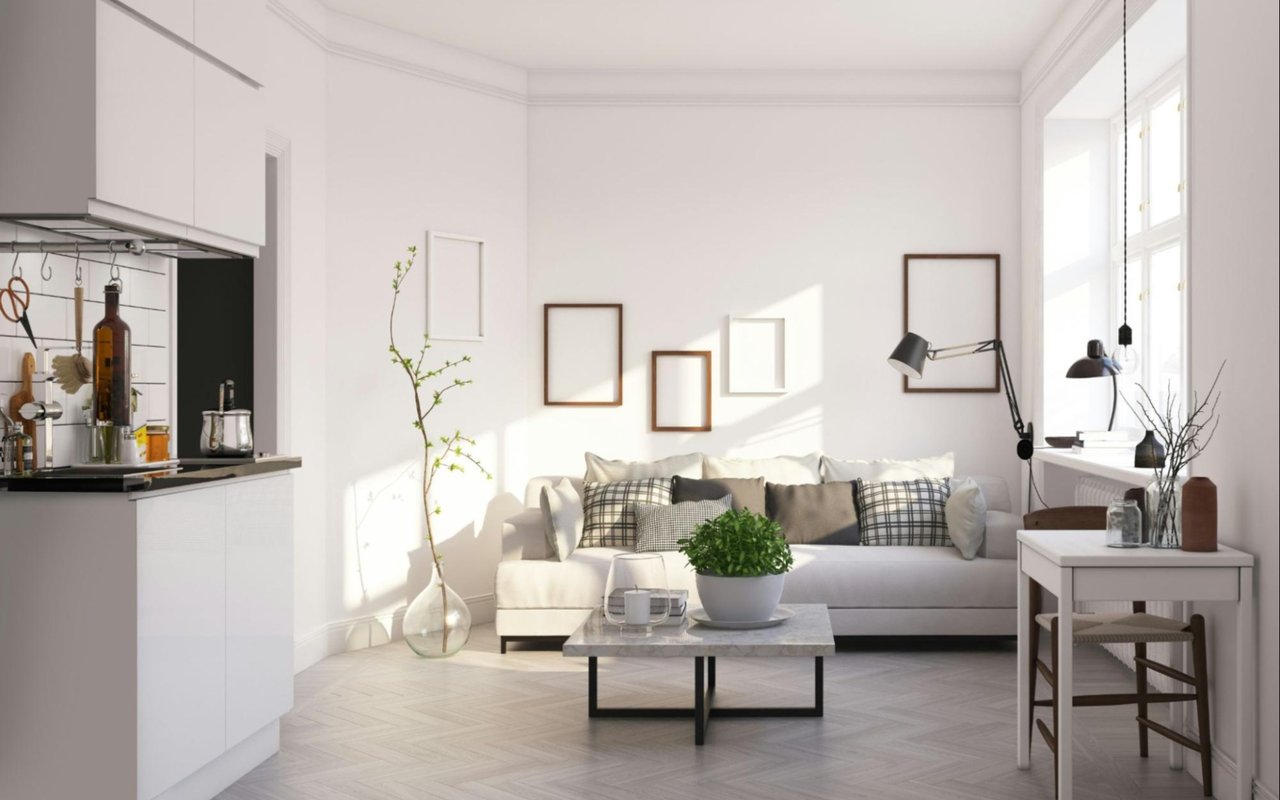
Mid-century and postwar homes bring a different experience. These properties often feel brighter, more casual, and more open than the earlier historic homes. Typical features can include integrated living and dining areas, large picture windows, sliding glass doors, and a stronger visual connection to the yard.
If you like natural light and a more relaxed floor plan, this style may feel especially comfortable. In many cases, these homes support easy everyday living and a less formal flow. They often appeal to buyers who want the feel of classic Coral Gables with a more open interior.
What mid-century homes usually mean
The biggest lifestyle advantage is openness. You may get broader sight lines, better daylight, and a more seamless link between interior spaces and the backyard. That can make the home feel airy and flexible.
The main watch-outs are usually related to performance rather than ornament. Large glass areas can be a real asset, but they also make window performance, storm readiness, and energy efficiency more important. In Florida’s humid climate, sealing windows and doors and managing indoor humidity can make a big difference in how comfortable the home feels.
What to evaluate in a mid-century home
If you are considering a mid-century or postwar property, focus on:
- Window condition and performance
- Roof condition
- HVAC efficiency
- Insulation and indoor comfort
- Humidity control
- Storm readiness of glazed openings
These homes can live beautifully, but the quality of updates matters.
Contemporary homes in Coral Gables
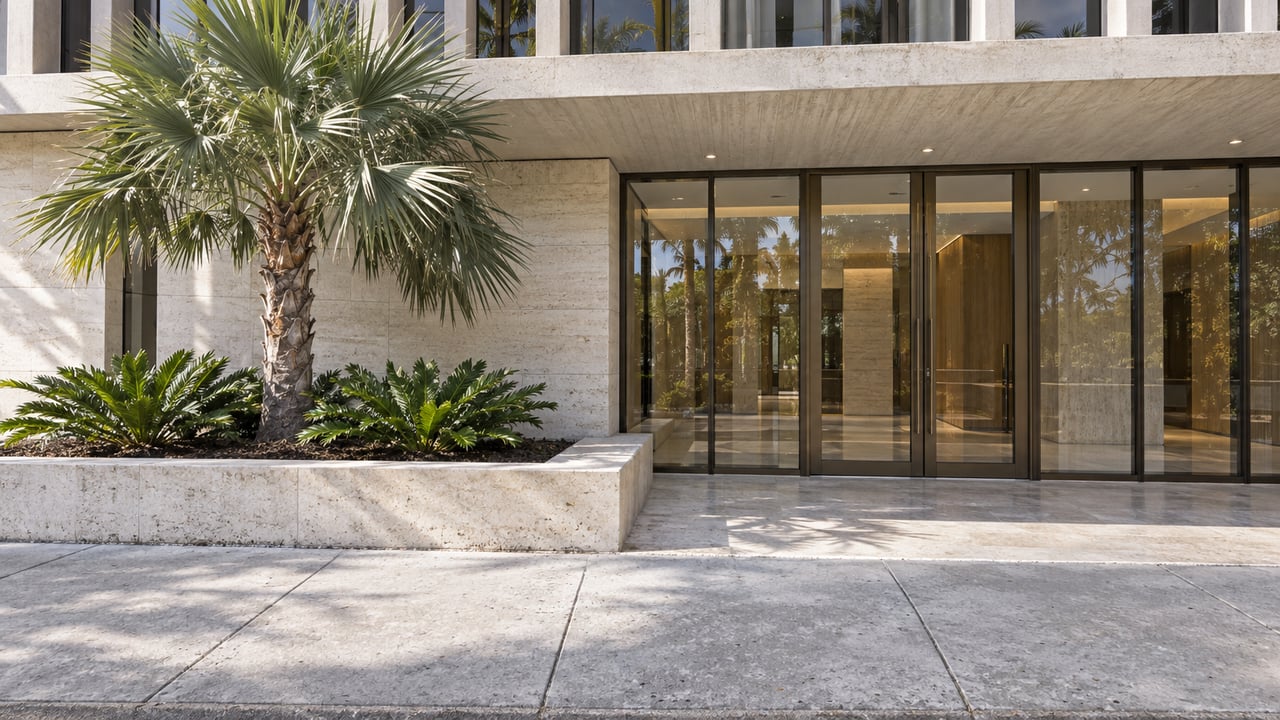
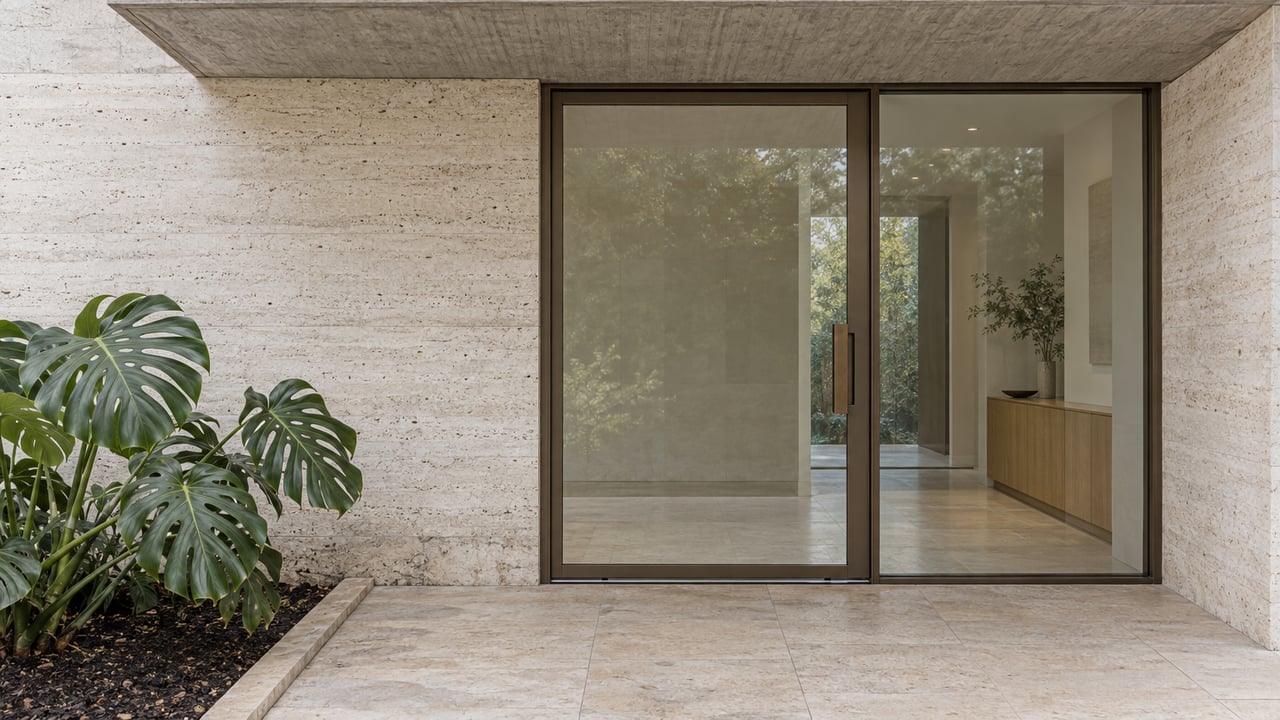
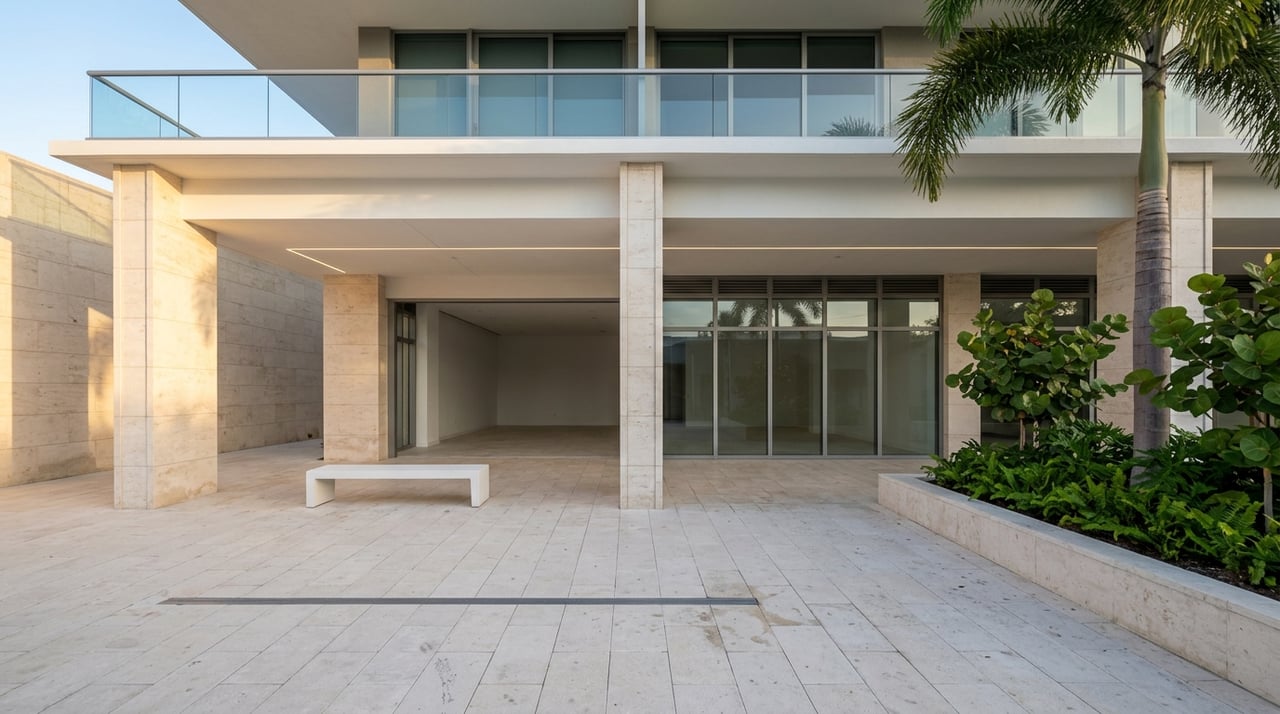
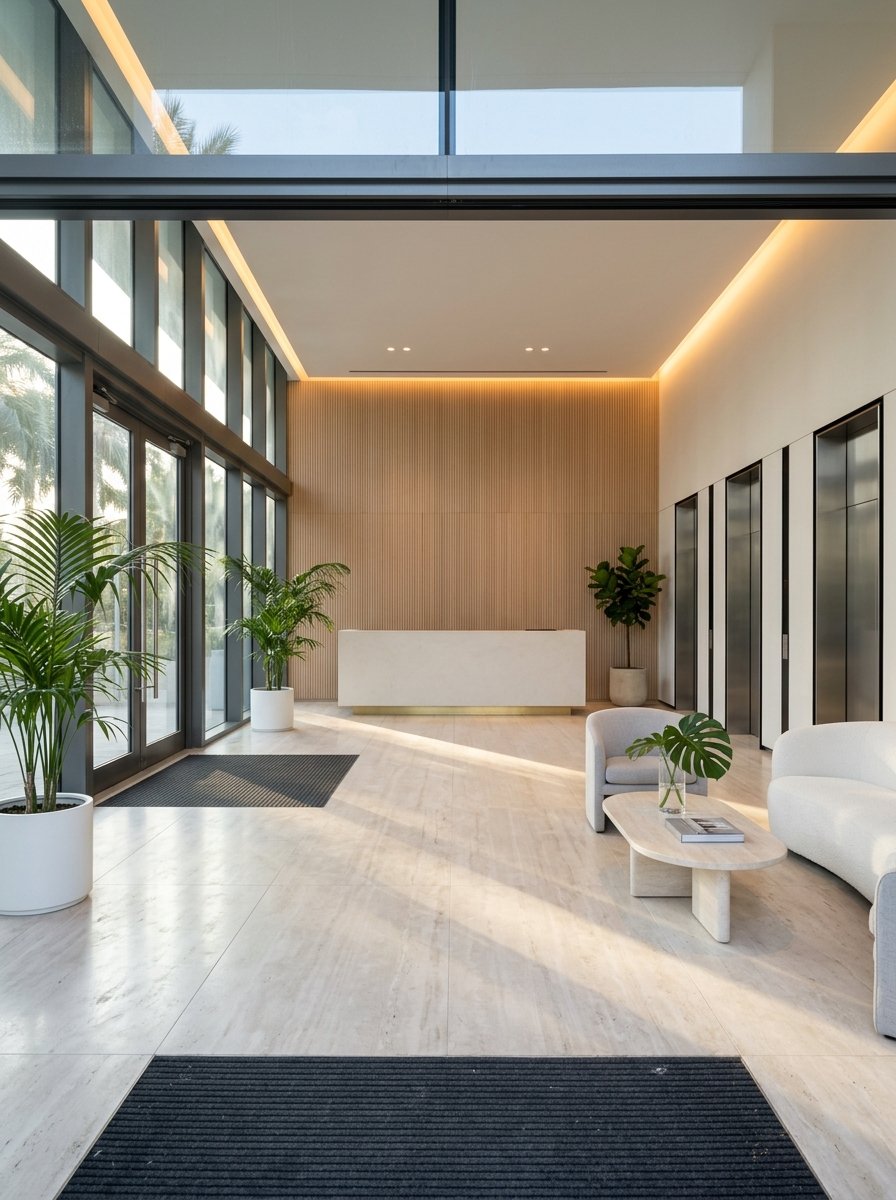
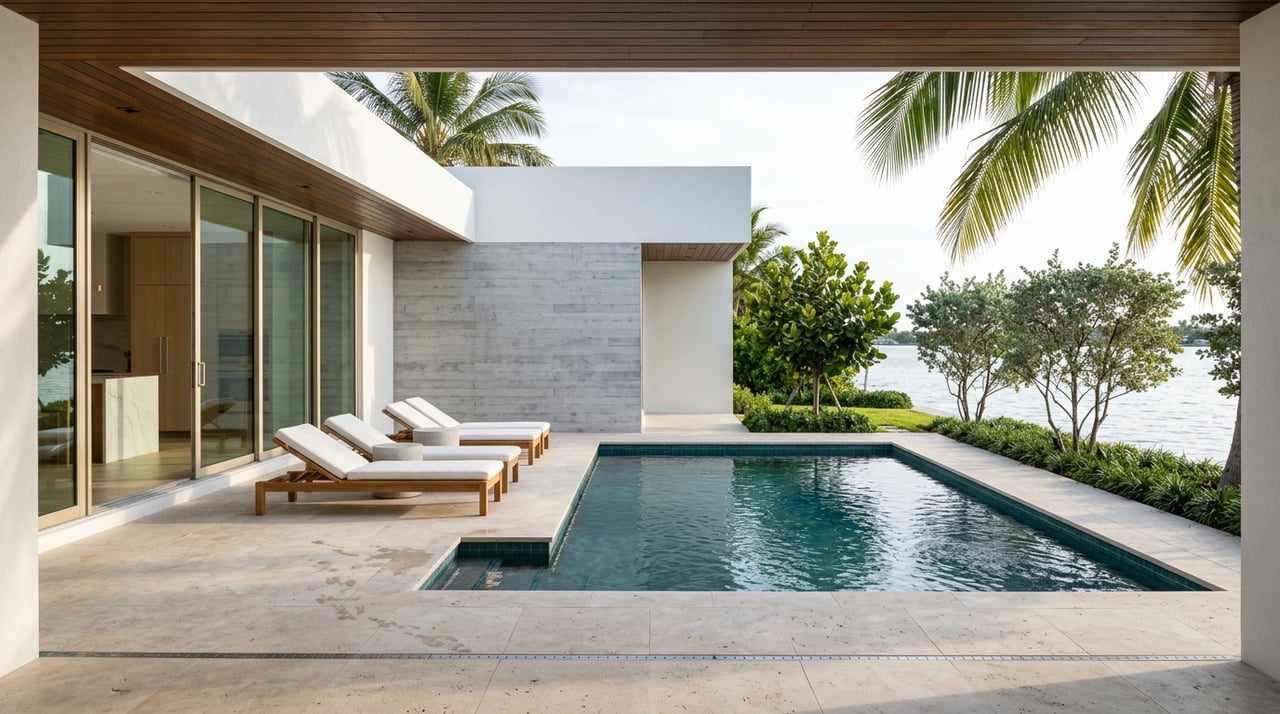
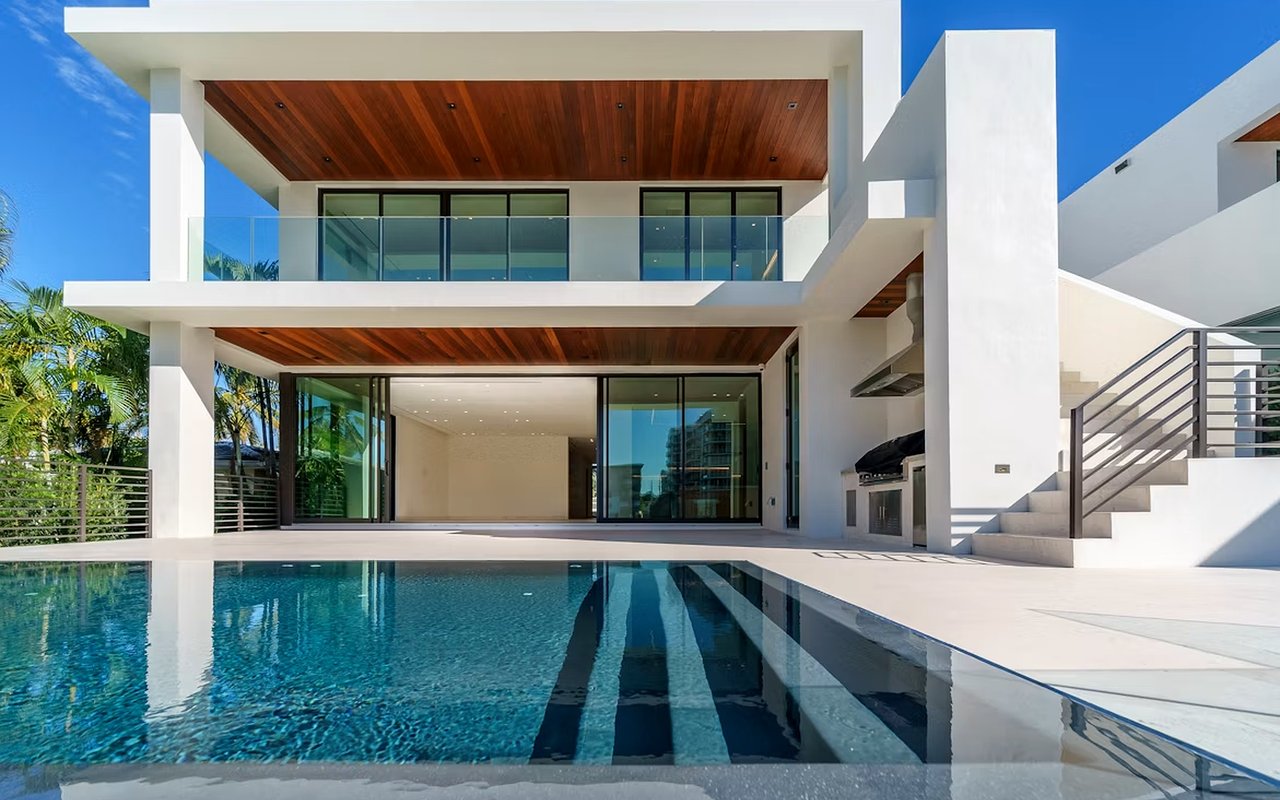
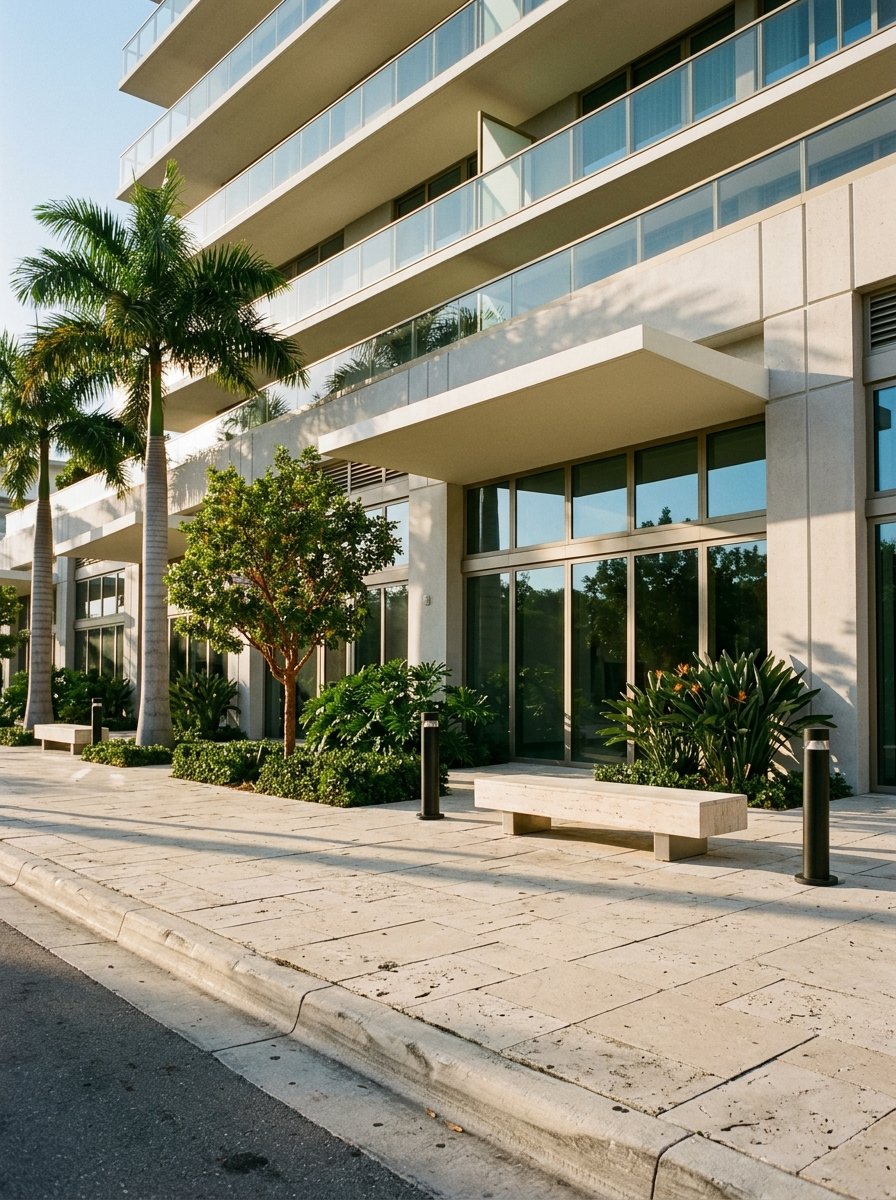
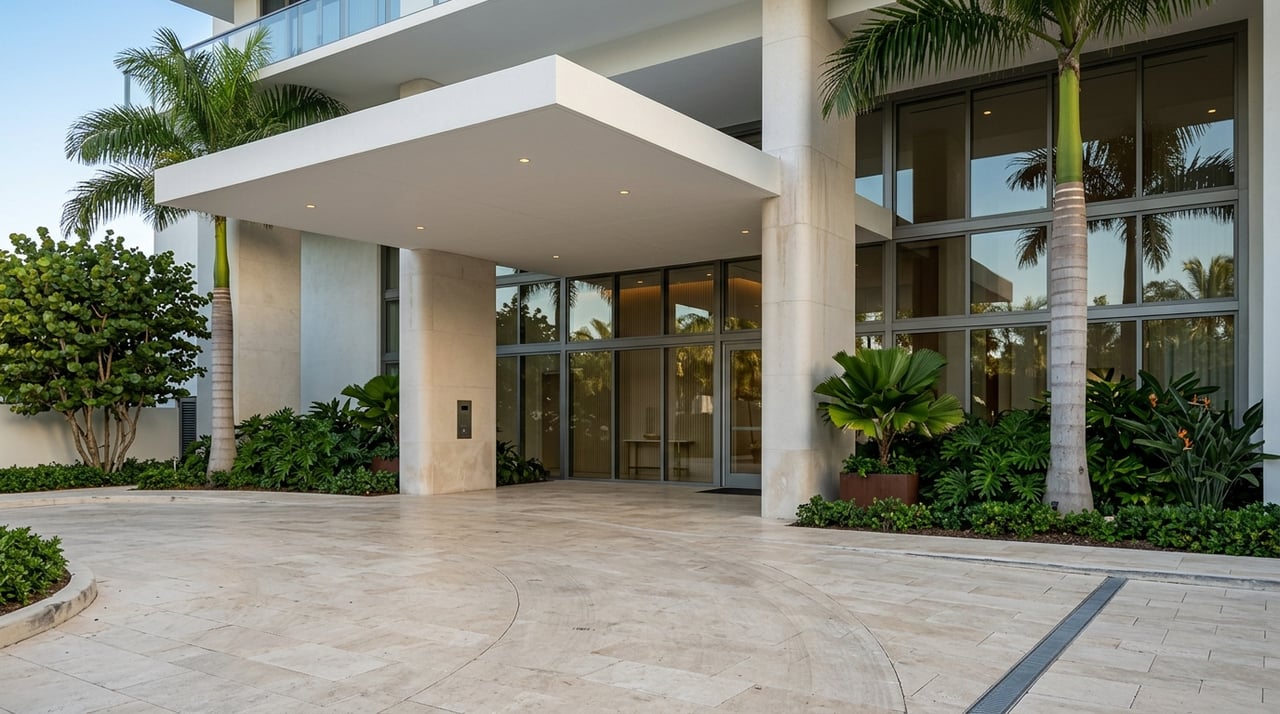
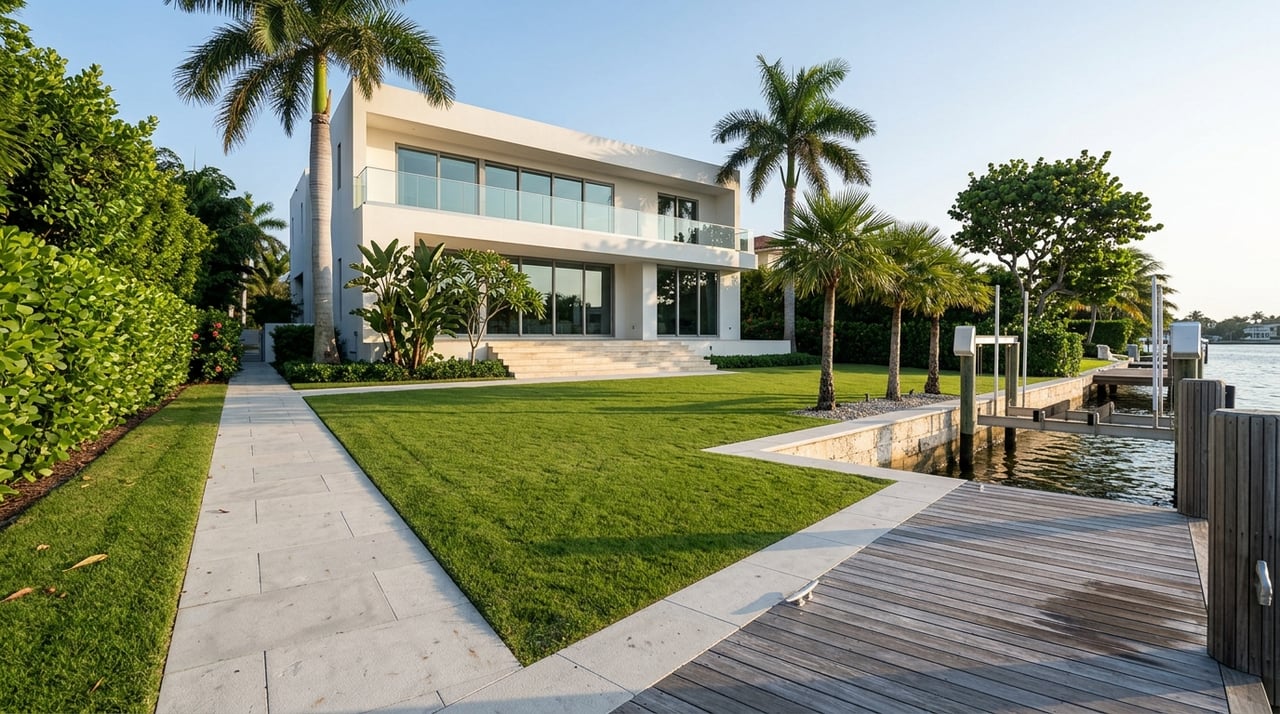
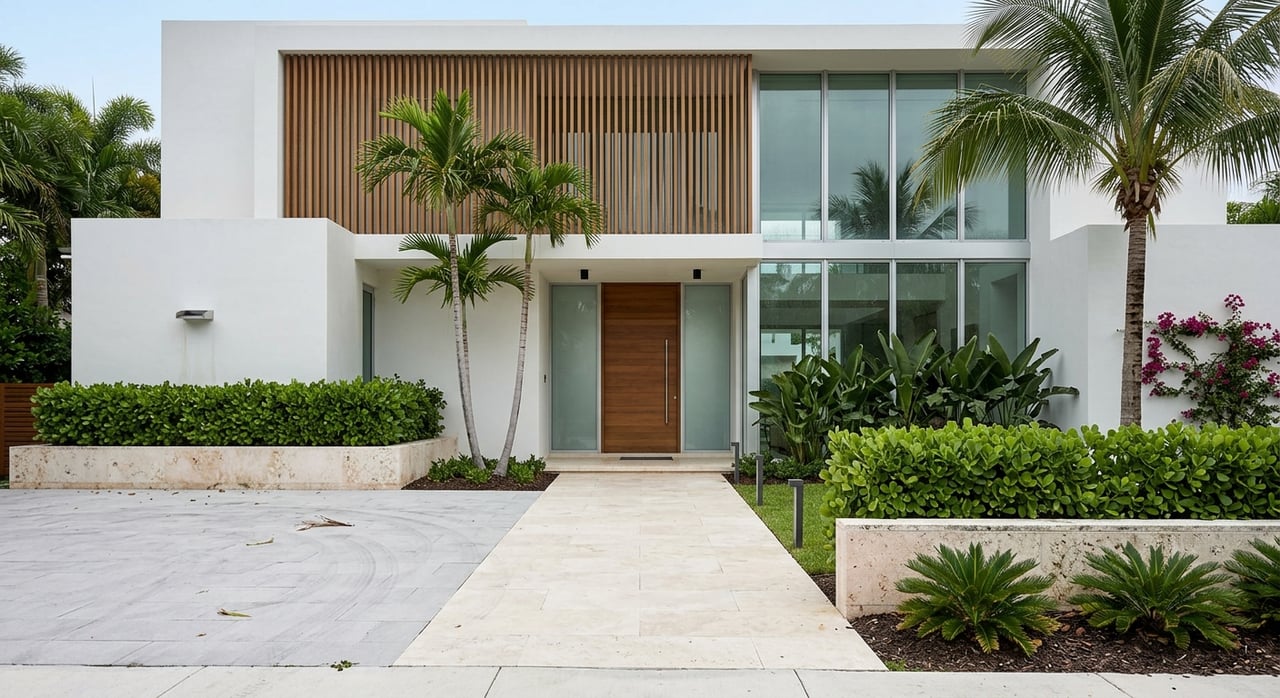
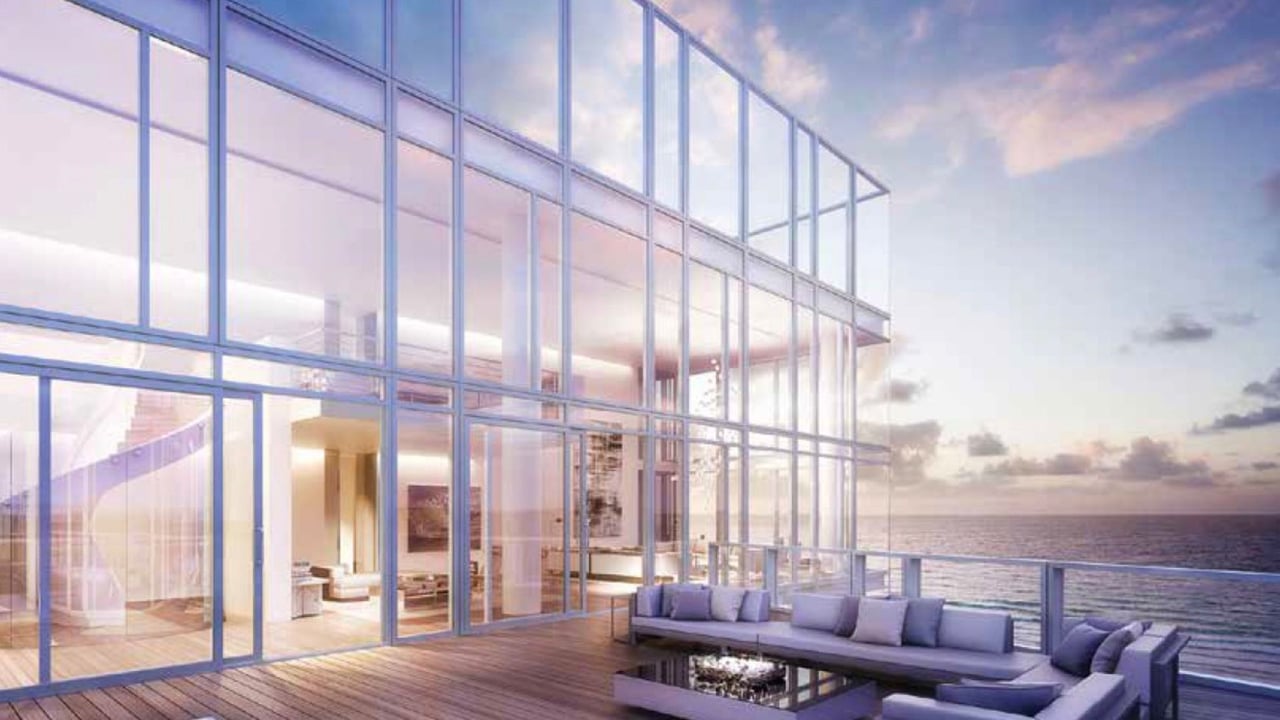
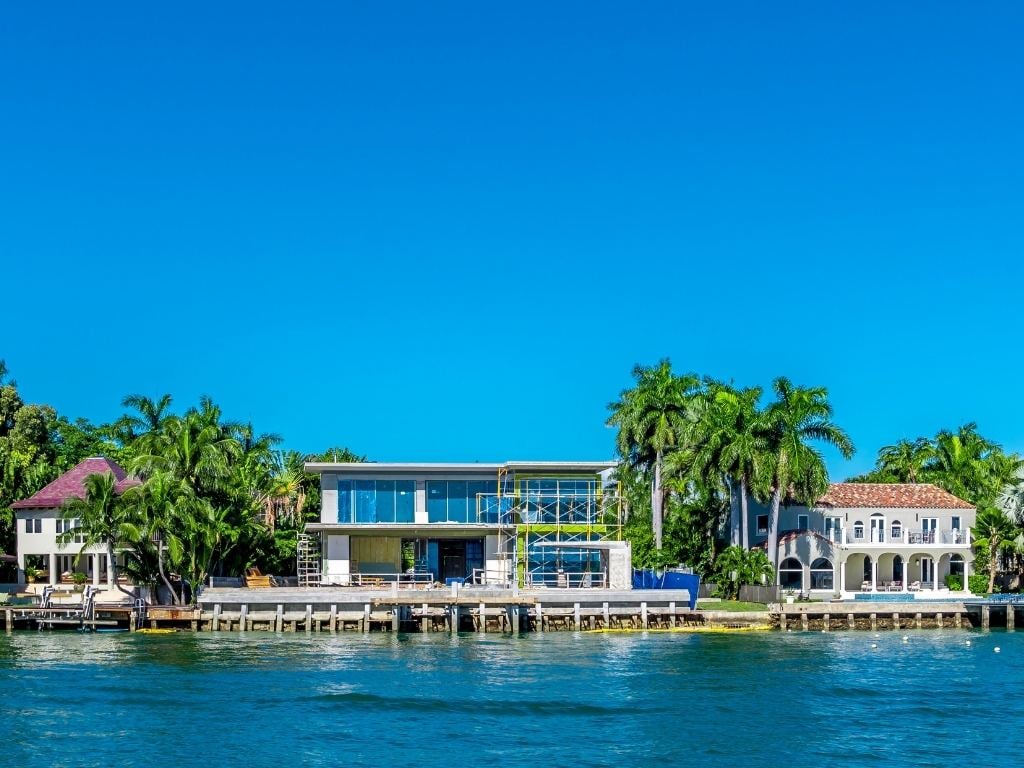
Contemporary homes in Coral Gables are not always what buyers expect. In many markets, contemporary can suggest a generic glass-heavy design with little connection to local context. In Coral Gables, contemporary work often still borrows from the city’s long-established design language.
A city example from the 1960s library shows this clearly. The building combines a more contemporary structure with Mediterranean touches such as quarried keystone, red clay roof tiles, Spanish clay floor tiles, wrought iron fixtures, mahogany doors, exposed beams, gardens, and fountains. That mix is a useful clue for buyers. In Coral Gables, contemporary often means cleaner lines or updated planning paired with materials and details that still feel rooted in place.
What contemporary style can offer
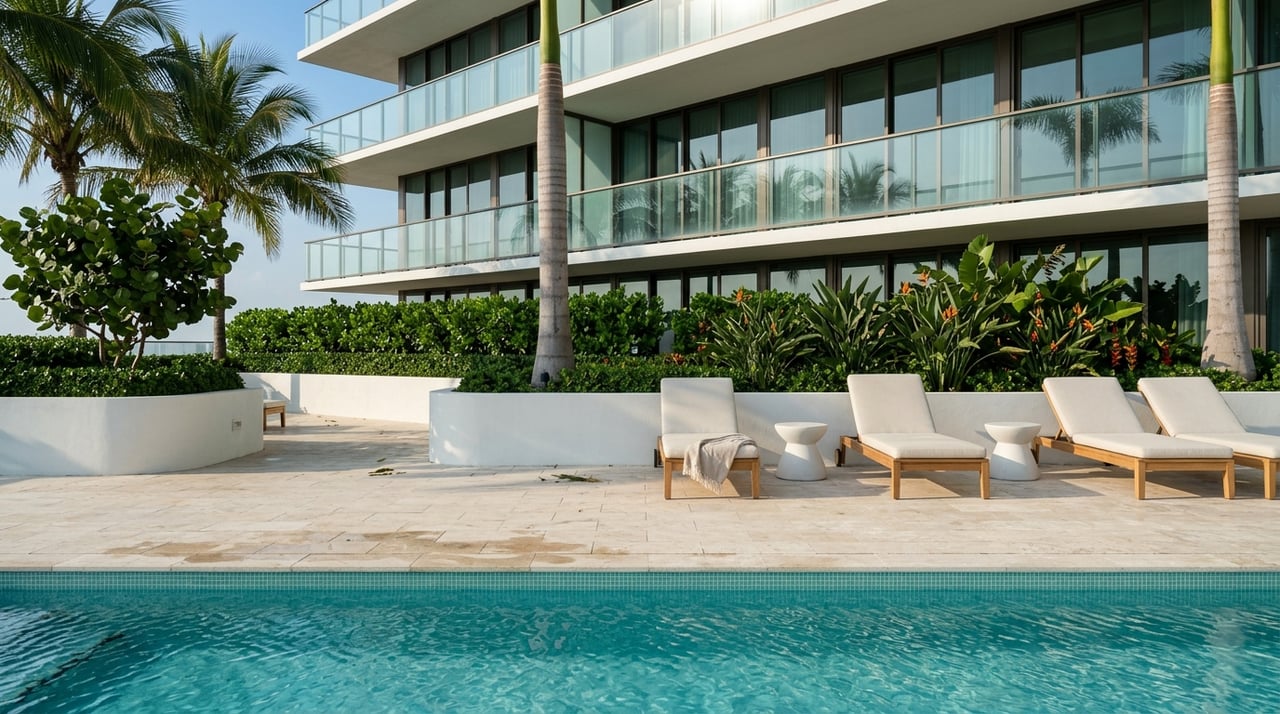
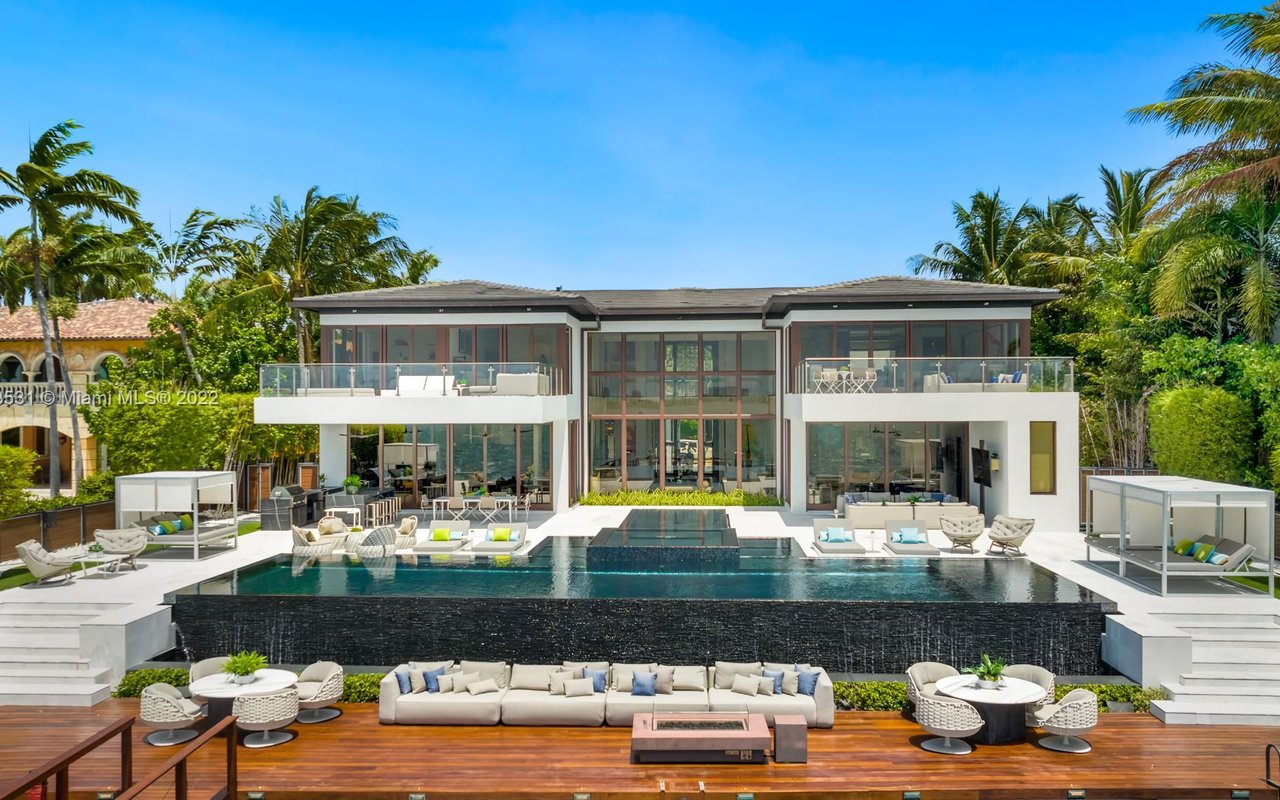
Contemporary homes and additions often appeal to buyers who want flexibility, light, and a more current layout. You may find cleaner transitions, simpler detailing, and spaces that support modern living patterns. If you want newer planning but still appreciate the design expectations of Coral Gables, this category can be a strong fit.
At the same time, compatibility matters here. In Coral Gables, new additions and exterior changes are expected to work with the original home’s scale, massing, proportion, and materials. A modern update may be possible, but it still needs to fit the house and the surrounding block.
What style means for renovations
In Coral Gables, style is not just about what you like today. It can shape what you are allowed to do later. The city’s Board of Architects helps preserve the traditional aesthetic character of the community, and its review standards address elements such as color, materials, windows, proportion, and overall design order.
That matters if you are thinking ahead. Exterior changes are not always simple cosmetic decisions, especially in a design-sensitive city with a strong preservation framework. Before you buy, it is smart to think about whether you may want to change windows, alter the facade, add space, or rework outdoor areas in the future.
How to read a Coral Gables home as a buyer
One of the best ways to evaluate Coral Gables architecture is to translate style into everyday function. Instead of asking only whether a home is pretty, ask how it will live. The answers often sit in the architecture itself.
A Mediterranean home may offer more shade, more outdoor room-making, and more historic character. A mid-century home may offer better daylight and a looser layout. A contemporary home may offer flexibility and cleaner planning, but still within the city’s design expectations.
Questions worth asking during a showing
As you tour homes in Coral Gables, consider these practical questions:
- How much natural light does the home get?
- How does the home manage shade and heat?
- Are the outdoor spaces usable year-round?
- What is the condition of the roof, windows, and doors?
- Does the home show signs of moisture issues?
- How well does drainage appear to work?
- If you want exterior updates later, could city review affect the process?
These questions can help you connect architectural style to real ownership experience.
What style means for sellers
If you are selling in Coral Gables, your home’s architectural style is part of its market story. Buyers here often respond to design details, setting, and how well a property reflects the city’s character. That means presentation should do more than show rooms. It should help buyers understand how the home lives and why its design matters.
For a historic Mediterranean property, that may mean highlighting courtyards, shaded terraces, original materials, and the home’s relationship to the landscape. For a mid-century property, it may mean emphasizing light, openness, and indoor-outdoor flow. For a contemporary home, it may mean showing how modern livability works within the design language Coral Gables buyers expect.
The bigger takeaway
In Coral Gables, architecture is not background. It is one of the clearest ways to understand a home’s lifestyle, maintenance profile, and long-term potential. Style can tell you how a property handles climate, how it connects to the outdoors, and how future changes may need to be approached.
That is why reading architecture well can make you a smarter buyer and a better-prepared seller. In a place as design-driven as Coral Gables, the right guidance helps you see not just what a home looks like, but what it really means. If you are considering a move in Coral Gables and want a tailored perspective on how style, livability, and value come together, connect with the APT Team.
FAQs
What is the most common architectural style in Coral Gables?
- Mediterranean Revival is the signature style in Coral Gables, with features like stucco walls, clay tile roofs, arches, courtyards, and shaded outdoor spaces.
What do historic Coral Gables homes usually offer buyers?
- Historic homes in Coral Gables often offer character, defined rooms, shaded transitional spaces, and a strong connection to the city’s original design identity.
What should buyers check in a Coral Gables Mediterranean home?
- Buyers should closely review roof condition, stucco, windows, doors, moisture control, drainage, and the condition of older architectural details.
How are mid-century homes in Coral Gables different from older homes?
- Mid-century homes in Coral Gables often feel more open and bright, with larger windows, more casual layouts, and a stronger visual connection to the yard.
Do exterior renovations in Coral Gables require extra review?
- Yes, exterior changes in Coral Gables may be shaped by city design review standards, especially when a home’s architectural character is part of the community’s preserved design framework.
Why does architecture matter so much in Coral Gables real estate?
- Architecture matters in Coral Gables because it affects livability, maintenance, outdoor use, renovation options, and how a home fits into the city’s broader design identity.